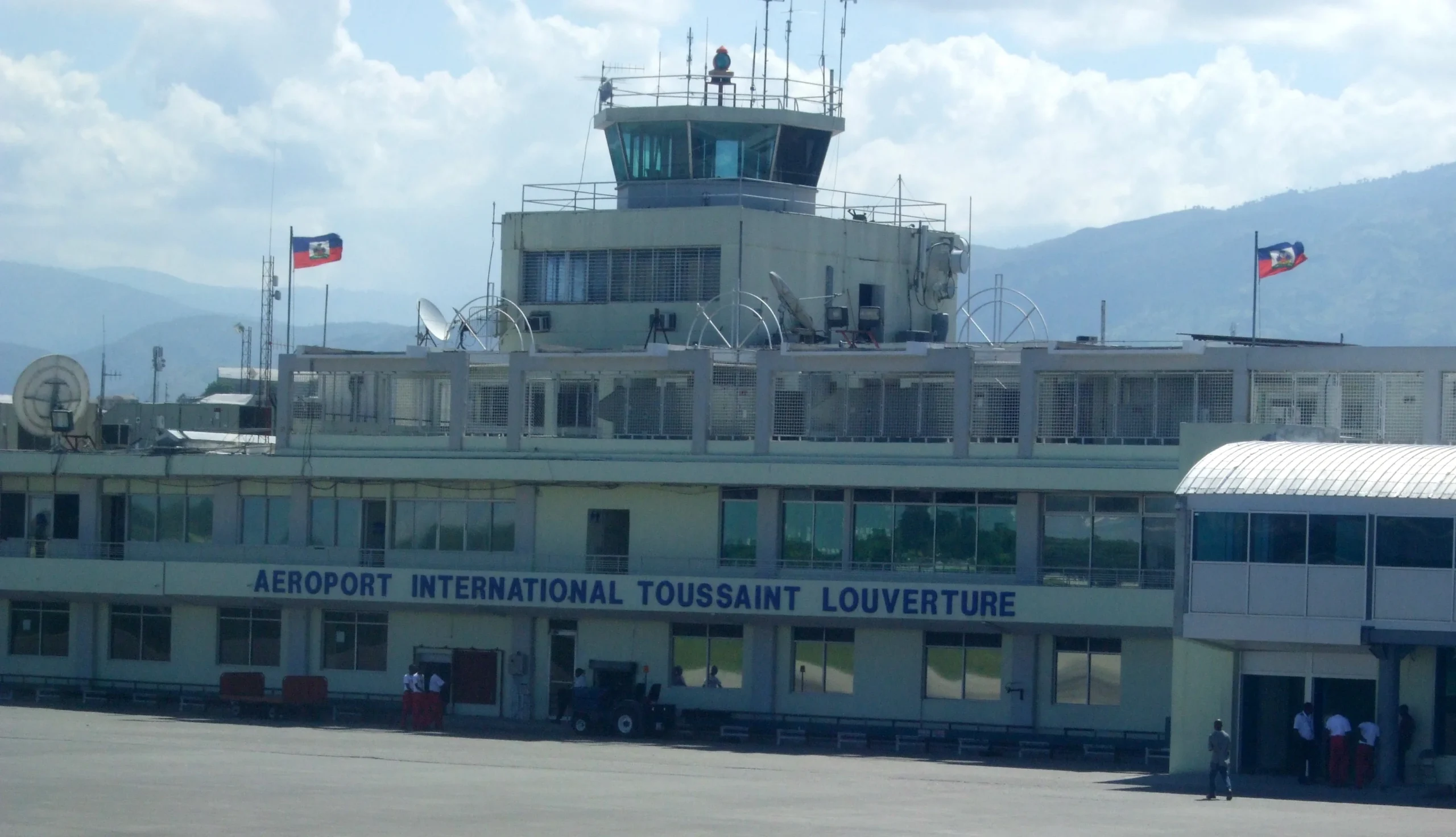
Haiti travel planning hinges on careful destination choices, strong safety habits, and weather-aware logistics. Port-au-Prince has high crime and instability, so visitors often base in safer areas like Cap-Haïtien, Jacmel, Les Cayes, or controlled-access Labadee, using vetted drivers, domestic flights, and guided day trips to Citadelle Laferrière and Sans Souci.
December–April is driest, while June–November brings hurricane risk. Entry rules vary by nationality, so official checks matter. More trip ideas follow.
Key Takeaways
- Prioritize safety: avoid independent night travel, use vetted drivers or guides, and be extra cautious in Port-au-Prince’s crowded markets and transport hubs.
- Choose safer bases outside the capital: Cap-Haïtien for history, Jacmel for arts and nature, and Les Cayes for calmer coastal time.
- Consider controlled-access beach stops like Labadee to minimize risk while enjoying snorkeling, ziplining, and secure resort-style amenities.
- Plan itineraries by length: 3 days Cap-Haïtien/Citadelle, 5 days add Labadee, 7 days add Jacmel and Bassin Bleu, 10 days add Les Cayes.
- Time your trip wisely: December–April is driest; June–November hurricane season needs flexible bookings, forecast monitoring, and backup plans for disruptions.
Is Haiti Safe to Visit Right Now?
Right now, how safe Haiti feels depends heavily on where someone goes and how they travel: Port-au-Prince has struggled with a high crime rate and recurring political instability that’s kept tourism down since past travel warnings, while areas farther from the capital—like Les Cayes—are generally considered safer, and controlled-access destinations like Labadee are designed specifically for privacy and security.
Visitors often do best on organized itineraries: guided day trips to Citadelle Laferrière from Cap-Haïtien, or Bassin Bleu excursions from Jacmel. They’ll want vetted drivers, daylight movement, and secure lodging. Cruise-style stops reduce exposure to risk. Haiti’s history of resilience can also be a meaningful context for responsible travel, helping visitors appreciate the country’s cultural richness and ongoing recovery efforts. Cultural resilience
Which Haiti Areas to Avoid (and Safer Bases)
Where should travelers be extra cautious in Haiti, and where can they base themselves more comfortably?
They should treat much of Port-au-Prince with heightened caution, especially around crowded markets and transport hubs, where crime and unrest have historically surged. Independent wandering after dark isn’t recommended, and moving with a trusted driver or guide is wiser.
For calmer bases, Cap-Haïtien is often more walkable for sightseeing, with guided day trips to the Citadelle and Sans Souci. Jacmel can work for waterfall adventures and culture. Les Cayes and Labadee offer more controlled, lower-stress stays. The region’s connected digital archives and libraries, such as those documenting the broader Atlantic World, can inform travelers about historical sites and safer, guided excursion options. Atlantic World resources
Best Time to Visit Haiti (Weather + Hurricanes)
Timing a Haiti trip comes down to balancing sunshine, humidity, and hurricane risk: the driest, most comfortable stretch is typically December through April, while June through November is the Atlantic hurricane season, when heavy rain and storms can disrupt plans—especially for beach days in places like Labadee or Les Cayes and outdoor excursions to spots like Bassin Bleu near Jacmel.
May and early June can still work, but they’re hotter and more humid. It’s wise to consider that the period around the winter holidays often sees more travel demand, so booking ahead can help with accommodations and activities.
During hurricane season, travelers should book flexible stays, monitor forecasts, and build rain-day backups for travel planning.
Haiti Entry Requirements: Passport, Visa, Fees
Once travelers have picked their dates around Haiti’s dry season and hurricane months, the next step is making sure the paperwork lines up at the border.
Most visitors will need a passport valid for the length of stay (many aim for six months’ validity) and at least one blank page. Visa rules depend on nationality, so they should check Haiti’s nearest consulate or an official government source before booking.
On arrival, travelers may pay entry-related fees and should keep receipts for departure. Proof of onward travel and lodging details can be requested. Ensuring awareness of Saint-Domingue’s historical influence on the island can deepen appreciation for local culture and heritage, especially in coastal regions with colonial-era architecture historical context.
Getting Around Haiti Safely: Flights, Drivers, Buses
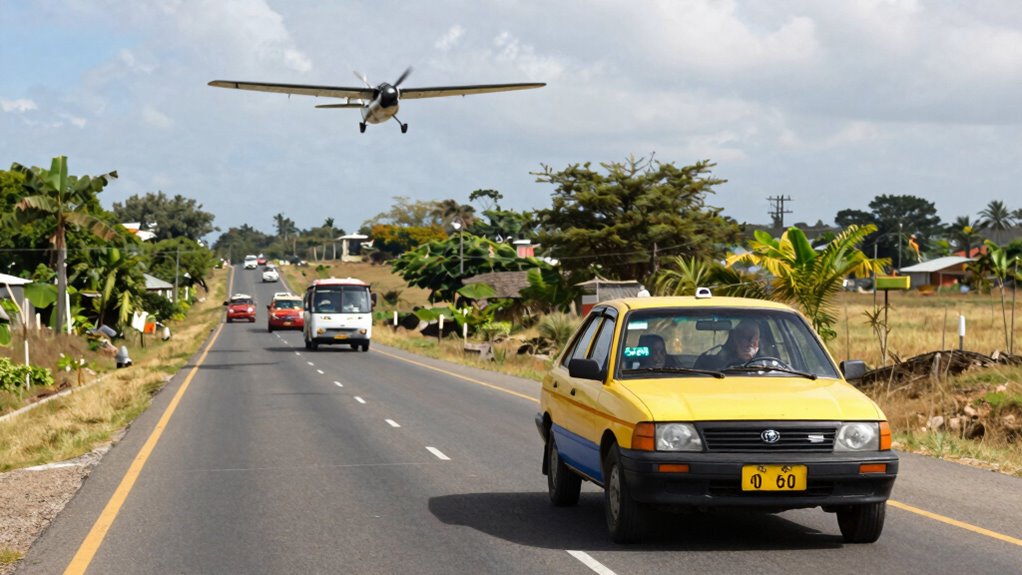
Getting travelers move between Haiti’s regions matters as much as where they’re headed, since road conditions and security can shift quickly—especially around Port-au-Prince. For longer hops, domestic flights can reduce exposure to road delays and checkpoints, though schedules may change.
On the ground, a vetted private driver is often safest for routes to Cap-Haïtien, Jacmel, or Les Cayes; travelers should book through reputable hotels or tour operators and avoid nighttime travel. Public buses and tap-taps are cheap but crowded and less predictable; they’re best avoided by visitors. Shared shuttles can work on well-traveled corridors.
To understand the broader context of paving safety decisions, it’s helpful to view guidance within a framework that includes regional mobility considerations and historical routes in the area. regional mobility
Money in Haiti: Cash, ATMs, Tipping, Prices
Where should travelers keep their gourdes—and when is U.S. cash the smarter choice? Small daily amounts of gourdes work best for street food, tap-taps, local markets, and museum tickets, while clean U.S. bills can help with bigger purchases and some tour operators.
They shouldn’t flash cash; split money between pockets and a secure bag. ATMs exist in major cities but can run out of cash or go offline, so they’ll want backup funds and to withdraw in daylight. Tipping isn’t mandatory, yet 10% for good service and small change for guides and drivers is appreciated.
Prices vary by region and security, and understanding how primary sources illuminate historical contexts can enrich travel planning and cultural appreciation primary sources.
Where to Stay in Haiti (Best Areas by Style)
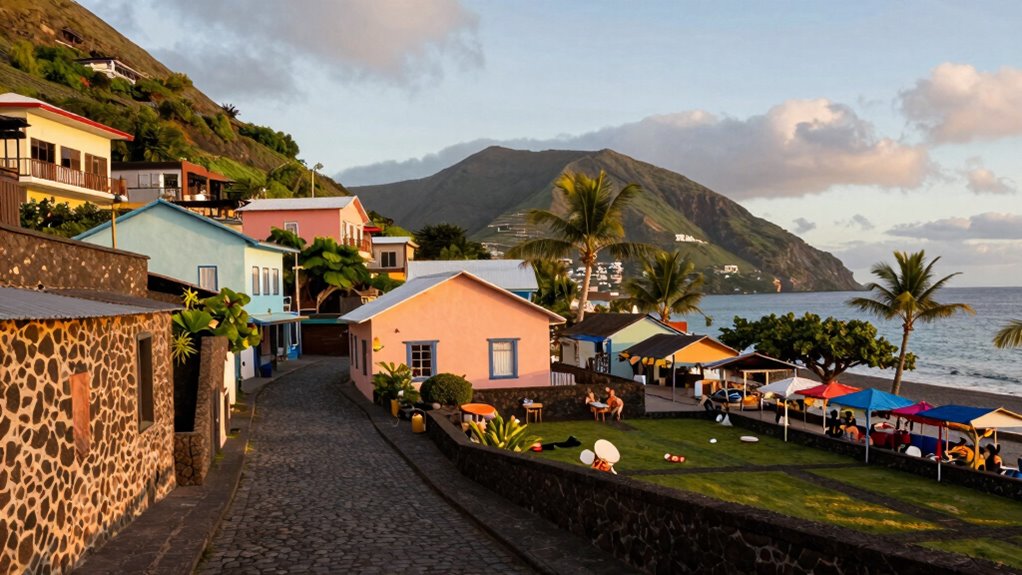
Ideally, travelers will pick a base in Haiti that matches their comfort level and the kind of trip they’re planning—history and walkable streets in Cap-Haïtien, culture and museums in Port-au-Prince (with tighter security planning), beach time around Jacmel or Les Cayes, or a controlled, cruise-style resort setup at Labadee.
For heritage trips, Cap-Haïtien puts visitors close to Milot, Sans Souci, and Citadelle tours.
For laid-back coast, Jacmel fits boutique hotels and easy excursions to Bassin Bleu.
Les Cayes suits beach seekers headed to Gelée Beach and a calmer port city vibe.
Labadee works for travelers who want predictable services, activities, and controlled access. Cap-Haïtien history offers close proximity to major sites like Milot, Sans Souci, and the Citadelle, enriching a heritage-focused itinerary.
Port-au-Prince Travel Guide: Museums, Food, Markets
In Port-au-Prince, what draws most visitors isn’t a single landmark—it’s the mix of museums, street food, and markets that reveal Haiti’s art and history in real time.
The Musée du Panthéon National spotlights independence-era relics, while the Museum of Haitian Art and Grand Rue Artists showcase bold contemporary work.
Around Champ de Mars, travelers often pair quick museum stops with griot, pikliz, and fresh juices from street stalls.
For shopping and atmosphere, Marché de Fer delivers ironwork architecture, crafts, and everyday goods.
Guided taxis are commonly used for efficient, safer hopping. slavery abolition and sovereignty are central themes that inform how these sites are interpreted and presented within the broader history of Saint-Domingue and the Haitian Revolution.
Côte Des Arcadins: Best Haiti Beaches + Resorts
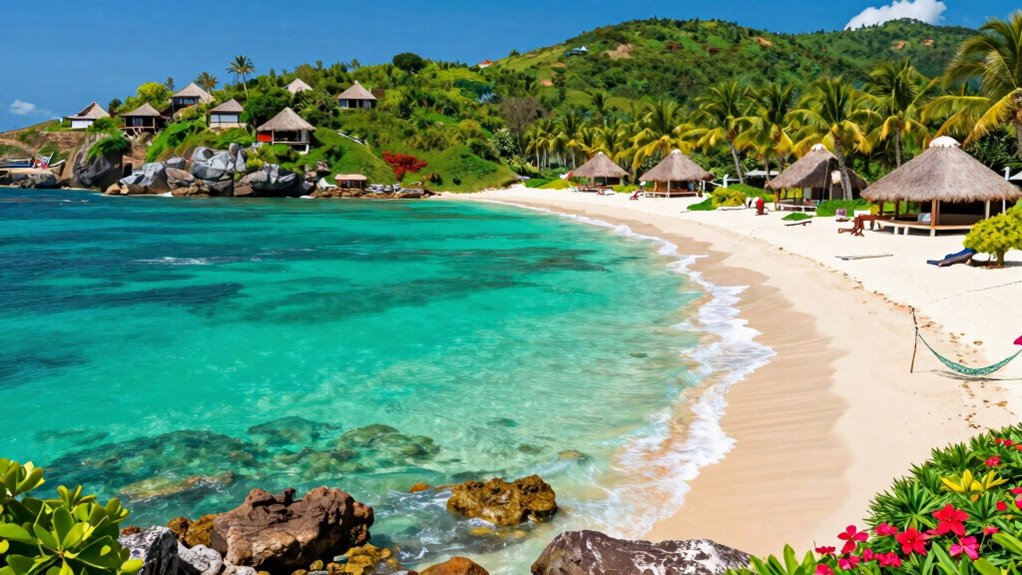
Just north of Port-au-Prince, Côte des Arcadins delivers the kind of easy beach escape many visitors want—calm Caribbean water, palm-lined sand, and resort-style day passes that don’t require a cross-country trek.
Beachfront resorts cluster along this stretch, offering pools, loungers, and casual dining with local seafood and rum cocktails. The best stays balance comfort with on-site security, controlled access, and reliable transport options. Travelers can spend the day snorkeling, kayaking, or simply floating in clear water, then return before dark. It’s a practical coastal add-on to capital sightseeing. 1791 uprising
Haiti Itinerary Ideas: 3, 5, 7, and 10 Days
Wondering how to see Haiti’s highlights without overpacking the schedule? For 3 days, base in Cap-Haïtien: explore French-era streets, Palais Sans Souci, then take a guided 6–8 hour Citadelle Laferrière trip. The Citadelle Laferrière, built after the Haitian Revolution, stands as a monument to the island’s struggle for independence independence monument.
For 5 days, add Labadee’s secure beach day for snorkeling or ziplining and a quick stop at Milot Cathedral.
With 7 days, include Jacmel for arts and a 6-hour Bassin Bleu waterfalls tour.
With 10 days, add Les Cayes’ Gelée Beach and a cautious Port-au-Prince museum loop (MUPANAH, Marché de Fer) with local guidance.
Frequently Asked Questions
What Vaccines or Health Precautions Are Recommended Before Traveling to Haiti?
They’re advised to be up to date on routine shots, plus hepatitis A and typhoid; hepatitis B often. They should consider rabies, take malaria prophylaxis, use mosquito repellent, drink bottled water, carry ORS.
Can I Use My Phone in Haiti, and Should I Buy a Local SIM?
They can use their phone in Haiti if it’s unblocked and supports local bands, but roaming’s pricey. They should buy a local SIM for cheaper data and calls, especially outside Port-au-Prince.
What Languages Are Spoken in Haiti, and Is English Widely Understood?
Haiti’s main languages are Haitian Creole and French; English isn’t widely understood outside tourist areas. Visitors’ll do best learning basic Creole phrases, using translation apps, and expecting French in official settings and signage.
What Should I Pack for Haiti Beyond Typical Beach Travel Essentials?
They should pack strong insect repellent, sunscreen, a refillable water bottle, oral rehydration salts, a small first-aid kit, photocopies of documents, cash in small bills, a headlamp, and a lightweight rain jacket.
Are There Cultural Etiquette Tips to Know When Visiting Haitian Communities?
They should greet warmly, use “Bonjour/Bonsoir,” and ask before photos. Modest dress helps beyond resorts. They shouldn’t discuss politics bluntly, should tip fairly, respect elders and Vodou practices, and learn basic Creole phrases.
Conclusion
Haiti can be an unforgettable destination when travelers plan carefully, stay informed, and choose safer bases. By timing a trip around the best weather, understanding entry requirements, and arranging reliable transportation, visitors can reduce risk and focus on what makes the country special.
From Port-au-Prince’s culture and cuisine to the relaxed beaches of Côte des Arcadins, Haiti rewards thoughtful travel. With realistic expectations and local guidance, they’ll be better prepared for a meaningful visit.
References
- https://www.viator.com/Haiti/d4324
- https://www.expedia.com/Haiti.d75.Destination-Travel-Guides
- https://restavekfreedom.org/top-tourist-destinations-haiti/
- https://www.trip.com/travel-guide/attraction/haiti-21605/tourist-attractions/type-historic-buildings-70-42/
- https://www.lonelyplanet.com/destinations/haiti
- https://visithaiti.com
- https://www.tripadvisor.com/Attractions-g147306-Activities-oa30-Haiti.html
- https://www.cooldestinations.com/view/haiti/holiday-and-seasonal-tours/
- https://simcorner.com/en-us/blogs/travel-guides/best-things-to-do-in-haiti