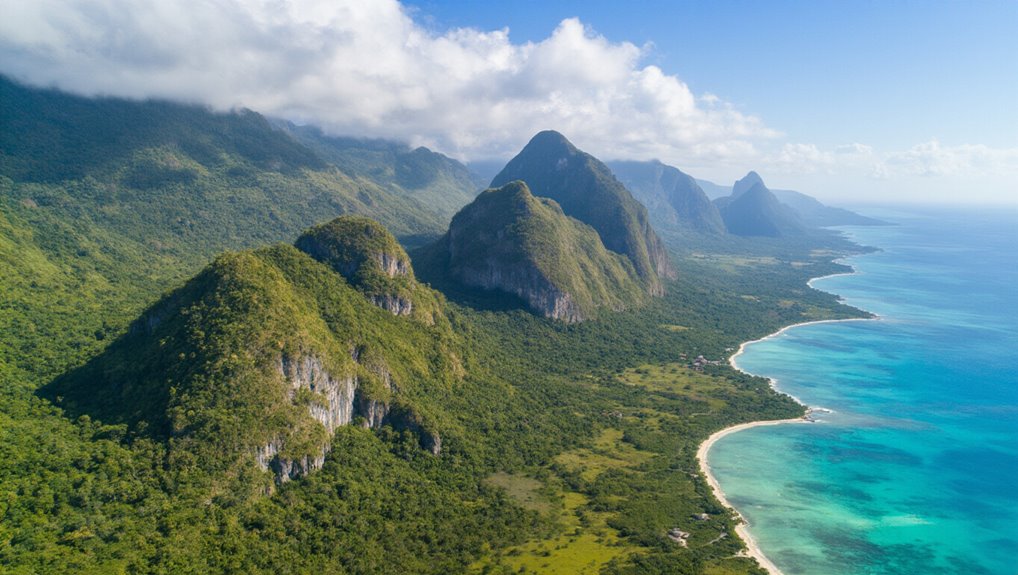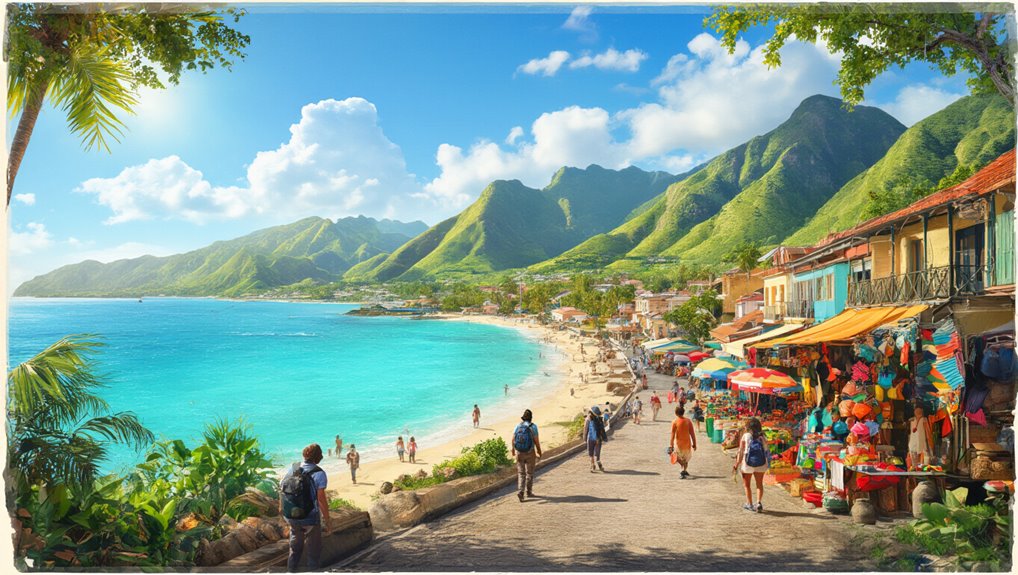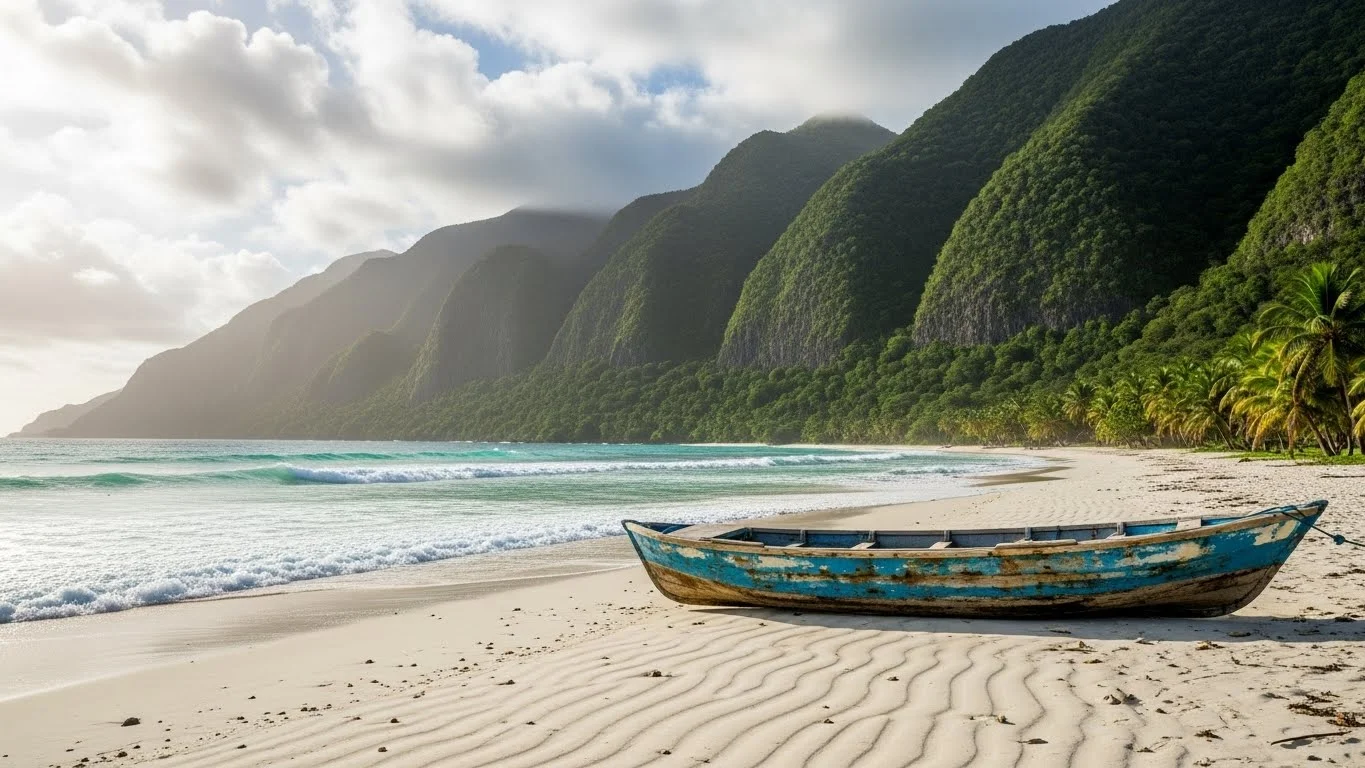
Haiti, historically known as the “Pearl of the Antilles,” possesses some of the most geographically diverse and visually arresting coastlines in the Caribbean. While the nation faces well-documented political and logistical challenges, the natural beauty of its shores remains undiminished.
From the Atlantic waves crashing against the northern cliffs to the tranquil, turquoise basins of the south, the country offers a raw, unmanicured aesthetic that stands in stark contrast to the highly commercialized resorts found elsewhere in the region.
Travel to Haiti in 2026 requires a shift in perspective and careful planning regarding logistics. The traditional model of landing in the capital and driving across the country has largely been replaced by a regional approach, utilizing domestic flights and direct international connections to specific hubs like Cap-Haïtien.
This decentralized method of travel allows visitors to bypass unstable areas and access the vibrant, functioning tourism pockets that continue to thrive.
This guide explores the distinct coastal regions that remain accessible to travelers today. It focuses on the practicalities of reaching these destinations, the specific cultural and geographical features that define them, and the on-the-ground reality for visitors seeking to experience the island’s profound natural heritage.
The Northern Atlantic Coast: Cap-Haïtien and Cormier
The northern coast of Haiti, anchored by the historic city of Cap-Haïtien, offers a distinct atmosphere influenced by the Atlantic Ocean. Unlike the calm Caribbean waters of the south, the north often features deeper blues, stronger breezes, and lush, green mountain backdrops that plunge directly into the sea.
This region is currently the primary entry point for international travelers, with Cap-Haïtien International Airport (CAP) serving as a reliable hub for flights from Florida and neighboring islands.
Cormier Plage serves as the central hospitality anchor for this region. Located roughly twenty minutes from the city center, it is more than just a hotel; it is a beachfront institution that balances accessibility with seclusion. The beach here is characterized by golden sand and a protective reef that calms the Atlantic swell, making it swimmable year-round.
Travelers often use Cormier as a strategic base camp. Mornings are typically spent exploring the massive stone fortress of the Citadelle Laferrière—a UNESCO World Heritage site built atop the Bonnet à l’Evêque mountain—before returning to the coast for an afternoon by the water.
Further west along the coast lies Chouchou Bay, situated near the town of Port-Margot. This location is frequently cited by locals as one of the country’s most picturesque landscapes. The bay is enclosed by two large promontories, creating a natural amphitheater of water that remains calm and clear.
The journey to Chouchou involves traversing the Plaine du Nord and navigating mountain roads that offer panoramic views of the coastline. The vegetation here is dense, with coconut palms and almond trees providing ample shade directly on the sand, eliminating the need for artificial umbrellas.
The Labadee Peninsula and Offshore Islets
The Labadee peninsula is globally recognized due to its long-term lease by a major cruise line, but the area encompasses more than just the private port. Geographically, this stretch of land features jagged coral cliffs interspersed with pristine sandy coves.
While cruise operations are subject to schedules based on national security assessments, the surrounding waters and independent islets remain a draw for travelers staying in Cap-Haïtien who hire private boat transport.
Amiga Island, locally known as Île-à-Rat, is a standout destination in this archipelago. According to local historical accounts, Christopher Columbus named the islet “La Amiga” during his early voyages. Today, it represents the quintessential deserted island experience.
The islet is tiny—one can walk its entire circumference in less than ten minutes—and is surrounded by a ring of shallow coral reefs. These reefs are populated by purple sea fans and brain coral, making it a premier location for snorkeling. The water clarity here often exceeds visibility found on the mainland beaches due to the lack of river runoff.
Another key location in this vicinity is Cadras Beach. Unlike the private cruise destination, Cadras is accessible to locals and independent tourists via water taxi. It offers a glimpse into the local fishing culture, where wooden sloops are often beached on the sand. Visitors here can experience the “journée” culture, where fresh catch—often lobster or snapper—is grilled over charcoal right on the beach, served with fried plantains and pikliz, a spicy pickled vegetable relish that is a staple of Haitian cuisine.
The Cultural Southeast: Jacmel and Kabic
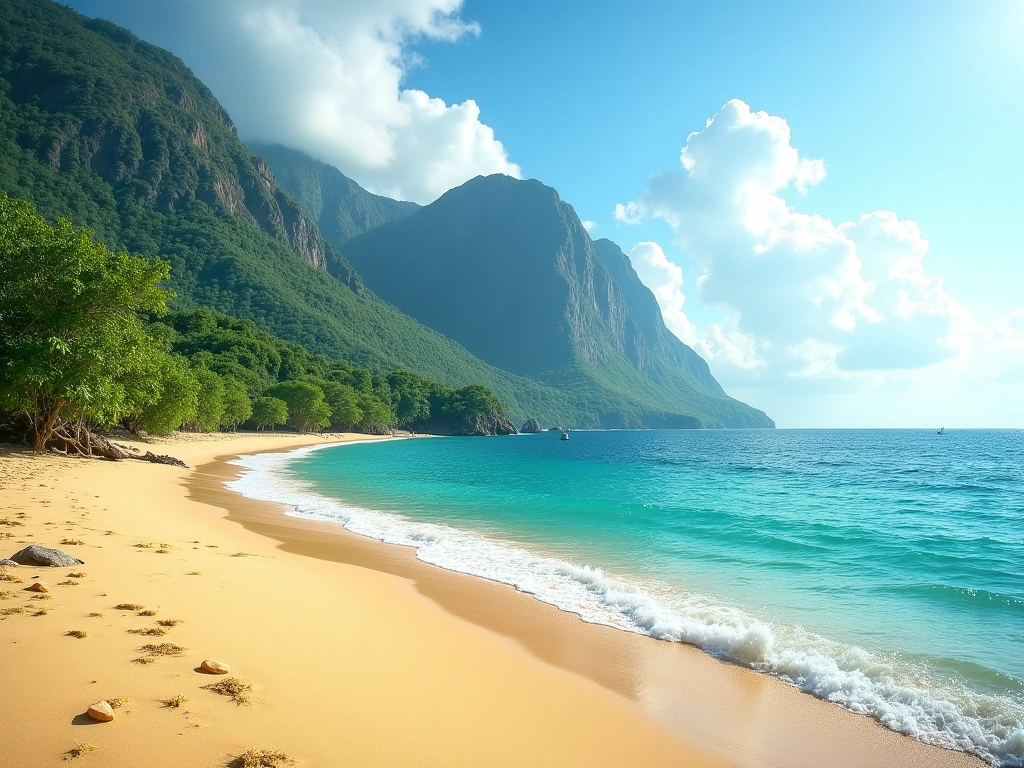
Traveling south to the department of the Sud-Est reveals a coastline defined by art, surf, and limestone geology. The city of Jacmel is the cultural heartbeat of the region, famous for its French colonial architecture featuring intricate cast-iron balconies and its status as a UNESCO tentative heritage site.
The beaches here differ significantly from the north; the sand is often darker, volcanic in origin, and the vibe is deeply intertwined with the local artistic community.
Kabic Beach has emerged as the center of Haiti’s nascent surf scene. Located a short drive from Jacmel, Kabic features consistent breaks that attract both local enthusiasts and international surfers. The atmosphere is bohemian and relaxed, with small eco-lodges and bungalows nestled into the hillside.
It is not a place for all-inclusive luxury but rather for travelers who appreciate a connection to the elements. The sound of the surf is constant, and the community is tight-knit, often gathering in the evenings to listen to Troubadour music, a guitar-based genre that narrates stories of daily life and love.
Inland from the coast, but essential to the aquatic experience of the southeast, is Bassin-Bleu. This series of three cobalt-blue pools is fed by waterfalls cascading through limestone caves. The water gets its distinct color from dissolved minerals in the rocks.
Reaching the upper basin requires a guided trek and a short rappel, adding an element of adventure. Local folklore suggests these pools are the dwelling places of Simbi, water spirits in the Vodou tradition, commanding respect and quiet reverence from visitors. The cool, fresh water offers a refreshing counterpoint to the salt and heat of the nearby beaches.
The Southern Riviera: Port-Salut and Gelée
The Southern Department (Sud) is often referred to as the “Riviera of Haiti.” This region is flatter and more agricultural, known for the production of vetiver, a grass whose roots are distilled for essential oils used in high-end perfumes worldwide. The scent of vetiver often lingers in the air as one approaches the coast.
The beaches here face the Caribbean Sea directly, offering some of the calmest and warmest waters in the country.
Port-Salut is the crown jewel of this coastline. The beaches here, particularly at Pointe-Sable, are famous for their powdery white sand and spectacular sunsets. Unlike the cove-like beaches of the north, Port-Salut offers long, uninterrupted stretches of shoreline perfect for walking.
The water remains shallow for a considerable distance, making it ideal for casual swimming. The area has a well-developed infrastructure of small hotels and guesthouses, catering to a mix of diaspora returnees and adventurous international tourists.
Nearby Gelée Beach near Les Cayes offers a different energy. It is less about swimming and more about the culinary and social experience. Gelée is the spiritual home of Gelée Festival, a major musical event, and is renowned year-round for its restaurants serving Griyo (marinated and fried pork) and Lambi (conch) in creole sauce.
The beach is lined with open-air thatched structures where families gather to eat, listen to Kompa music, and enjoy the sea breeze. It is a place to observe the vibrant social fabric of southern Haiti.
The Historic Côte des Arcadins
The Côte des Arcadins, a stretch of coastline north of Port-au-Prince, has historically been the primary resort destination for the capital’s residents. While road access via National Route 1 has faced significant challenges due to regional instability, the resorts themselves remain operational and well-maintained.
In 2026, many visitors access this region via boat transfers or organized maritime shuttles, bypassing the terrestrial bottlenecks.
Moulin Sur Mer is a standout property in this zone, functioning as both a beach resort and a historical site. The grounds are part of an 18th-century colonial sugar plantation. The architecture utilizes original brick and stone, and the property houses the Ogier-Fombrun Museum.
This museum provides a comprehensive look at Haitian history, from the indigenous Taino period through the colonial era and the revolution. Visitors can swim in the ocean and then walk through centuries of history within the same hour.
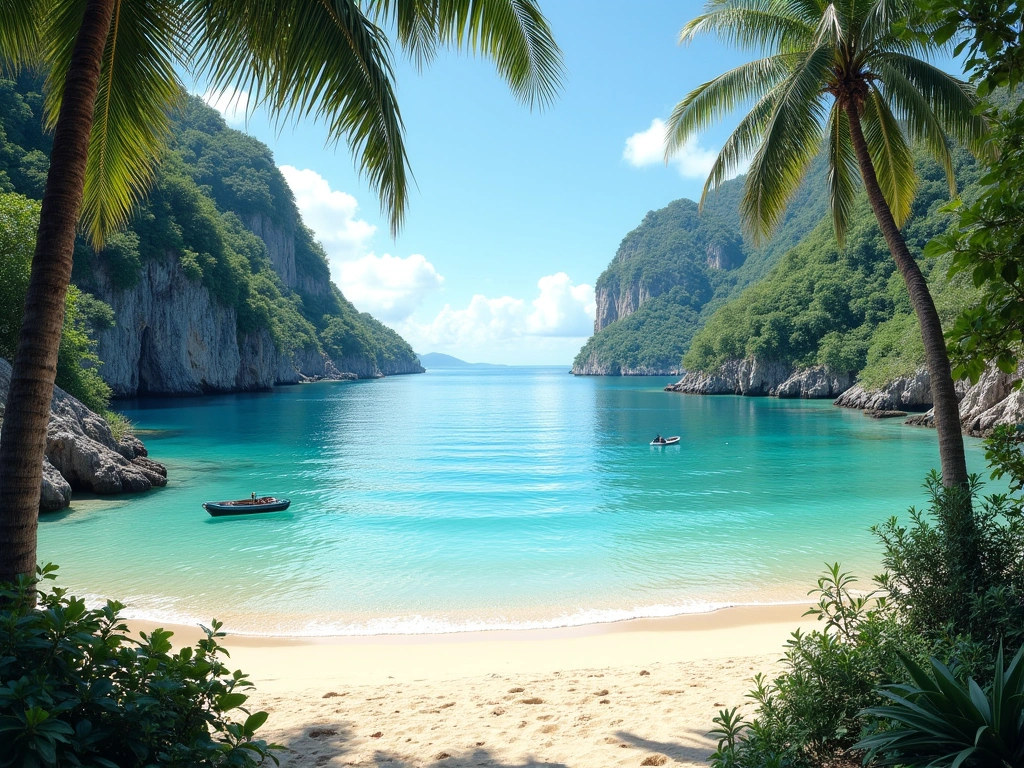
Adjacent to Moulin Sur Mer is Wahoo Bay, which caters to a lively crowd interested in water sports and weekend relaxation. The coastline here is protected by the island of La Gonâve, which sits across the channel, creating generally calm water conditions. The sand is a mix of white and grey, and the resorts maintain manicured gardens that blend tropical flora with the coastal environment. Despite the logistical hurdles of reaching the area, the Côte des Arcadins remains a testament to the resilience of Haiti’s tourism infrastructure.
Île-à-Vache: The Eco-Tourism Sanctuary
For those seeking absolute tranquility, Île-à-Vache (Cow Island) represents the pinnacle of untouched Caribbean beauty. Located off the southern coast near Les Cayes, this island has no cars; transportation is entirely by foot, horseback, or boat. The pace of life is dictated by the sun and the tides. The island has a rich history, having once been a base of operations for the privateer Henry Morgan.
The beaches on Île-à-Vache, such as those at Abaka Bay, are pristine. The lack of vehicular traffic and industrial development means the environment is exceptionally clean. The island is a model for eco-tourism in Haiti, with a few boutique hotels that operate on solar power and utilize rainwater harvesting.
Visitors here spend their days hiking to the interior hills for views of the mainland, kayaking through mangrove forests, or simply resting on beaches that see fewer than a dozen people a day. It offers a glimpse of what the Caribbean looked like before the era of mass tourism.
FAQ: Travel Logistics and Practicalities
Is it possible to fly directly to the beach destinations?
Yes, for the northern destinations. Cap-Haïtien International Airport (CAP) receives direct flights from Miami, Fort Lauderdale, and other Caribbean hubs. This allows travelers to land directly in the north, bypassing Port-au-Prince entirely. For southern destinations like Port-Salut, travelers typically fly into Port-au-Prince and take a domestic connecting flight to Les Cayes (Antoine-Simon Airport), followed by a short drive.
What is the best time of year to visit Haiti’s beaches?
The dry season, generally running from November to March, is the ideal time to visit. During these months, humidity is lower, temperatures are more comfortable, and the risk of tropical storms is minimal. This period also coincides with clearer water conditions, which is essential for snorkeling and diving enthusiasts.
What currency should I bring for beachside purchases?
While major hotels and resorts often accept US Dollars and credit cards, the local currency, the Haitian Gourde (HTG), is necessary for smaller transactions. If you plan to buy fresh seafood from a fisherman, purchase crafts from an artisan, or pay for a local boat taxi, having small denominations of Gourdes is essential.
It is best to exchange money at official banks or hotels.
Are there medical facilities near these beach areas?
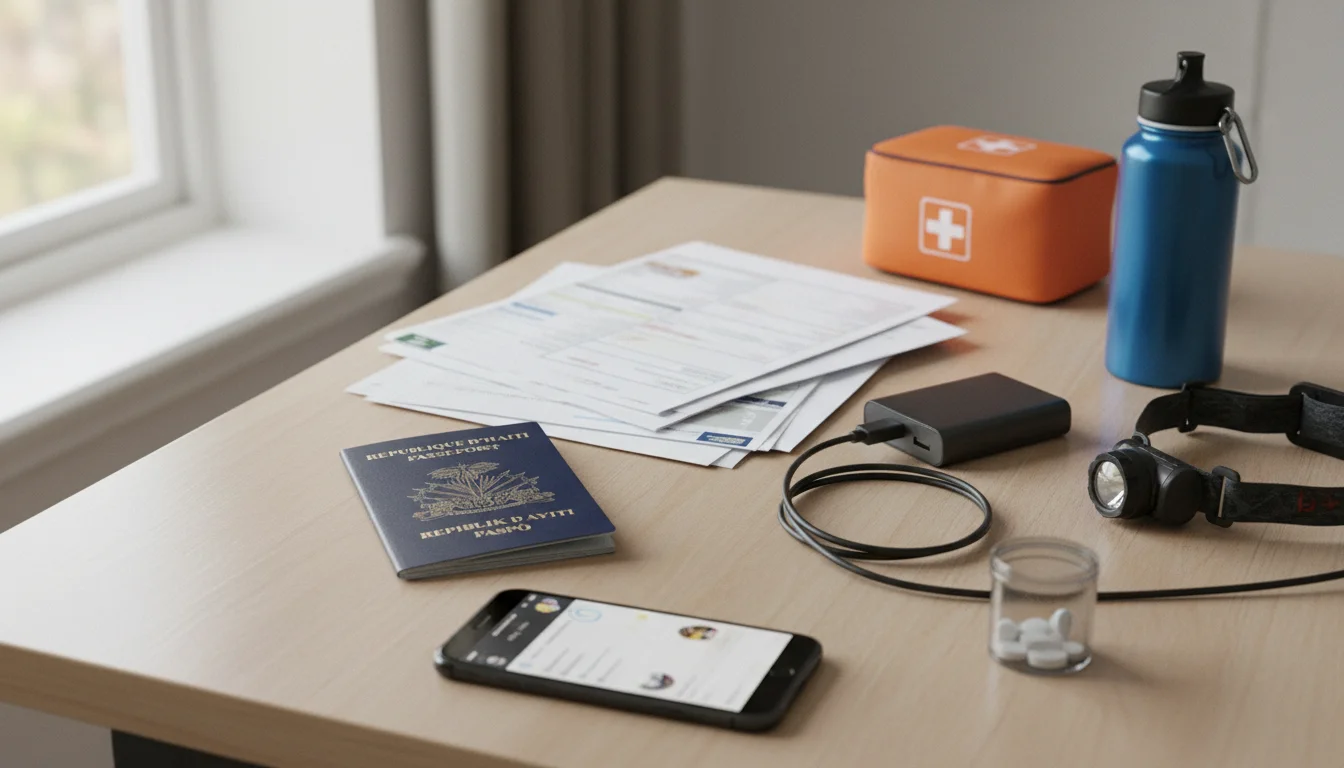
Medical infrastructure varies by region. Cap-Haïtien and Les Cayes have hospitals and clinics that can handle basic emergencies. However, the more remote beaches like Chouchou Bay or Île-à-Vache are far from advanced medical care. Travelers should always carry a basic first-aid kit and ensure they have comprehensive travel insurance that includes medical evacuation coverage.
What language is spoken in these coastal regions?
Haitian Creole (Kreyòl) is the primary language spoken by everyone. French is the administrative language and is widely understood in hotels and by tourism professionals.
English is spoken by many staff members in the major resorts and by some locals, particularly in the north, but learning a few basic phrases in Kreyòl is considered a sign of respect and is warmly welcomed by the local communities.
What is the local etiquette regarding photography?
Haitians are generally private people. It is important to always ask for permission before taking photos of individuals, their homes, or their personal property. In tourist zones like Labadee or major resorts, photography is expected, but in rural villages or working fishing markets, a polite request is necessary. Many locals appreciate engaging in conversation before a camera is introduced.