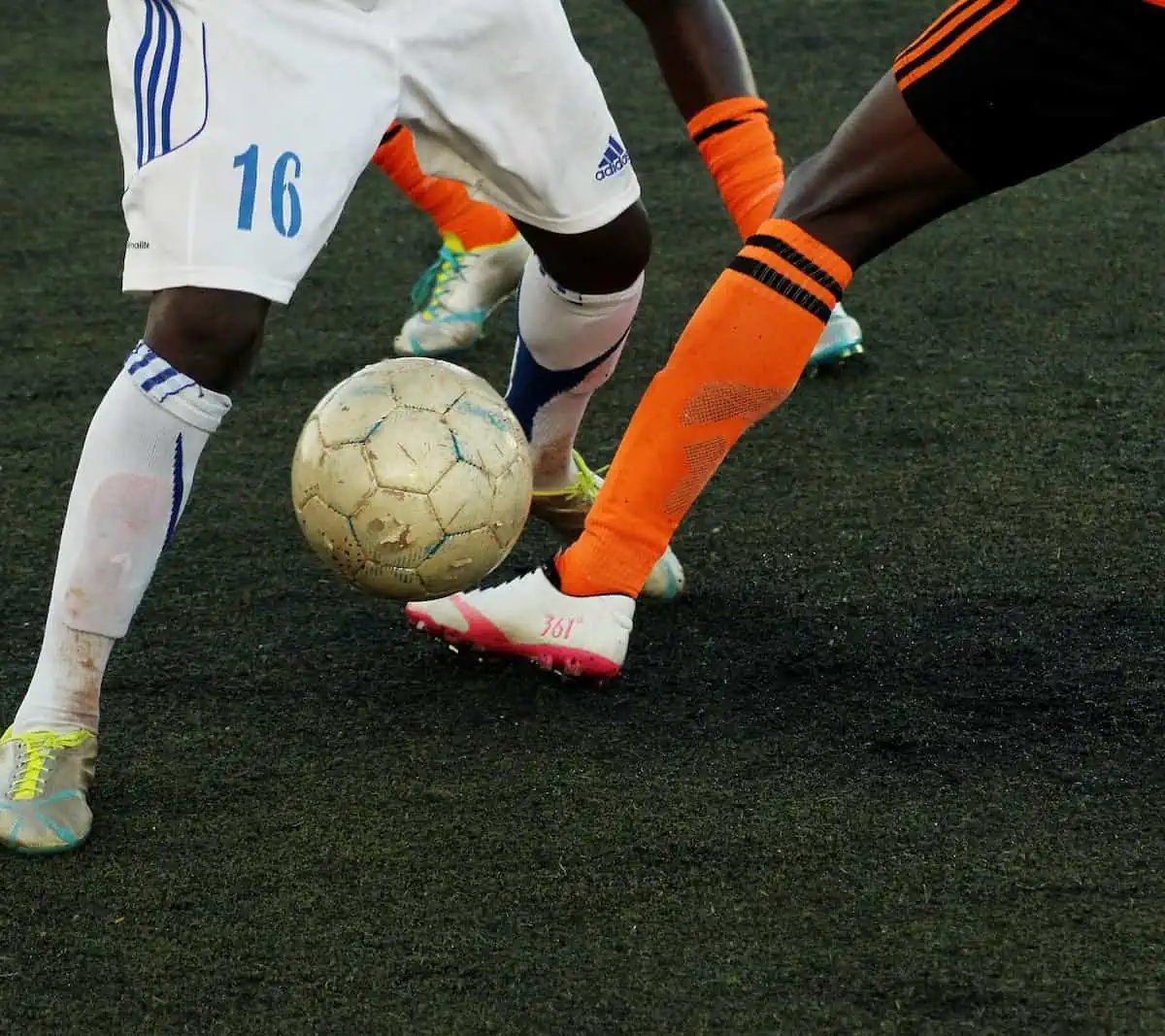
Haiti is a nation defined by a vibrant culture, a complex history, and an unyielding spirit of resilience. While the Caribbean country is often recognized for its art, music, and historical significance as the first independent black republic, its sporting culture is equally profound.
Sports in Haiti serve as more than just recreational pastimes; they are a unifying force that bridges social divides and offers a source of immense national pride. From the dusty makeshift pitches in rural provinces to the professional stadiums of Port-au-Prince, athletic competition is woven into the daily fabric of Haitian life.
This article explores the dominant role of football, the rising popularity of basketball, the legacy of track and field, and the infrastructure that supports these endeavors. It examines how Haitian athletes, both domestic and within the diaspora, continue to shape the nation’s identity on the global stage.
The Unrivaled Dominance of Football
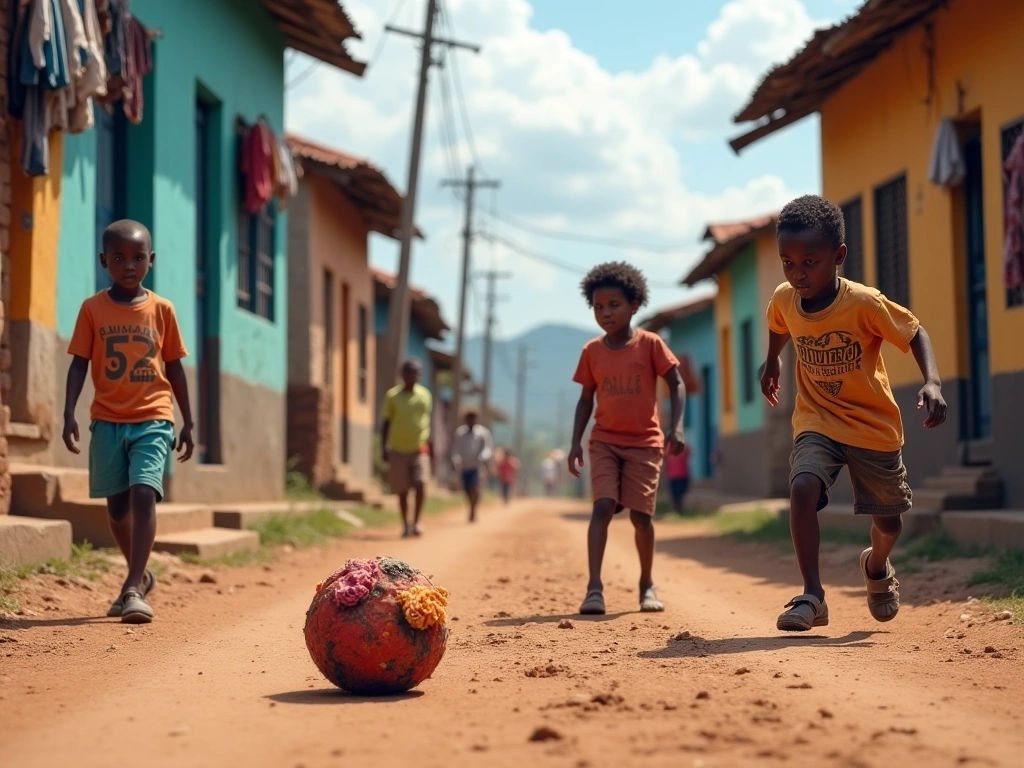
Football, known locally as football or soccer, is indisputably the most popular sport in Haiti. It is often described not merely as a game, but as a secular religion that captivates the entire population. Walk through any neighborhood in Haiti, from Cité Soleil to Pétion-Ville, and you will likely see children playing ti boul.
Ti boul is a colloquial term for informal street soccer, often played with improvised balls made of socks, plastic, or rags if a regulation ball is unavailable. This grassroots version of the game emphasizes technical skill, close control, and creativity, traits that define the Haitian style of play.
These informal matches are the training grounds where future professionals first develop their love for the sport.
The national team, nicknamed Les Grenadiers, holds a special place in the hearts of the people. The team’s history is highlighted by their qualification for the 1974 FIFA World Cup in West Germany. This achievement remains a cornerstone of Haitian sporting history, marking the first time a Caribbean nation qualified for the tournament.
During that tournament, legendary striker Emmanuel “Manno” Sanon scored a historic goal against Italy. This goal was significant because it ended the record-breaking scoreless streak of Italian goalkeeper Dino Zoff. To this day, Sanon is revered as a national hero, and his performance is cited as proof of the potential within Haitian football.
The Rise of Women’s Football
While the men’s team has a storied past, the women’s national team, known as Les Grenadières, has become a beacon of hope and excellence in recent years. The growth of women’s football in Haiti has been rapid, driven by dedicated academies and a generation of exceptionally talented players.
In a historic milestone, the Haitian women’s team qualified for the 2023 FIFA Women’s World Cup. This achievement brought global attention to the program and highlighted the resilience of female athletes who often face greater resource constraints than their male counterparts. Players like Melchie Dumornay have gained international acclaim, signing with top European clubs and showcasing Haitian talent to the world.
The success of Les Grenadières has inspired a new generation of young girls across the country. It has shifted cultural perceptions regarding women in sports, proving that female athletes can compete at the highest levels of international play. The emotional connection the public feels toward the women’s team is palpable during televised matches.
Basketball’s Growing Influence
Although football remains king, basketball has firmly established itself as the second most popular sport in Haiti. The sport’s popularity has surged over the last two decades, influenced heavily by the Haitian diaspora in the United States and the global reach of the NBA. Urban centers often feature outdoor courts that are bustling with activity in the evenings.
The Haitian Basketball Federation organizes local leagues, and the Championnat National de Basketball (CNB) provides a structure for club competition. Teams from various cities compete intensely, and the atmosphere at these games is electric, characterized by loud music and passionate fan engagement.
The connection to the NBA is a major driver of interest. Players of Haitian descent, such as Olden Polynice, Samuel Dalembert, and Skal Labissière, have served as role models. Their success demonstrates a pathway for young Haitian athletes who possess the height and athleticism suited for the hardwood. Consequently, many youth programs now incorporate basketball training alongside traditional football academies.
Track and Field and the Olympic Legacy
Haiti has a dignified history in athletics, particularly in track and field events. The nation’s most celebrated individual athlete is undoubtedly Sylvio Cator. In the 1928 Amsterdam Olympics, Cator won the silver medal in the long jump, a feat that remains Haiti’s most prestigious Olympic achievement.
Cator’s legacy is immortalized in Port-au-Prince, where the national multi-purpose stadium bears his name. His success proved that Haitian athletes could compete with the world’s elite. In modern times, athletes continue to represent the flag in sprinting and hurdling events, often training abroad to access better facilities while maintaining strong ties to their homeland.
Recent Olympians like Jeffrey Julmis (hurdles) and Darrell Wesh (sprints) have kept Haiti visible on the track. Despite limited domestic infrastructure for athletics, the determination of these competitors reflects the broader national ethos. They often rely on university scholarships in the United States to develop their skills before representing Haiti in the Pan American Games and the Olympics.
Major Sporting Infrastructure
The infrastructure for sports in Haiti faces significant challenges, yet certain venues stand as monuments to the country’s sporting culture. The most iconic is the Stade Sylvio Cator in Port-au-Prince. Originally inaugurated in the 1950s, it serves as the home ground for the national football team and hosts major cultural events.
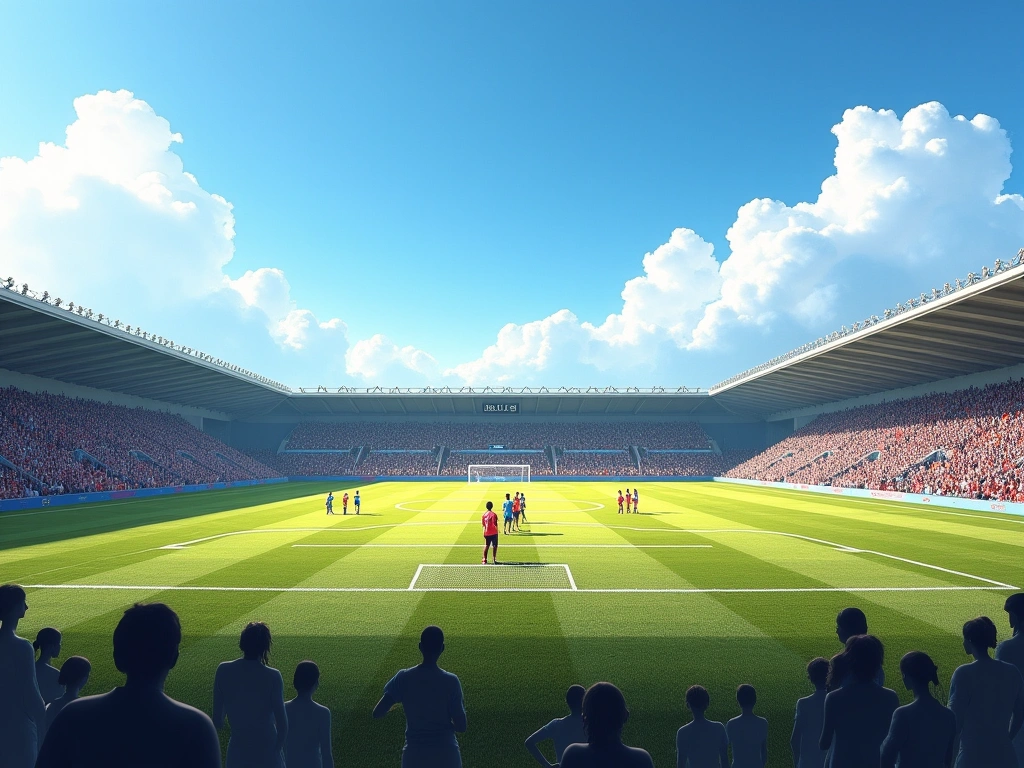
The stadium has undergone various renovations, including the installation of artificial turf to withstand heavy usage and tropical weather conditions. For a Haitian football fan, attending a World Cup qualifier at Sylvio Cator is a rite of passage. The energy inside the stadium, with thousands of fans singing and drumming, creates an intimidating atmosphere for visiting teams.
Another critical venue is Parc Levelt, located in the coastal city of Saint-Marc. Saint-Marc is known for its intense football rivalries, particularly between local clubs Baltimore SC and Tempête FC.
Parc Levelt is one of the few stadiums in the country that has maintained a natural grass pitch for long periods, making it a preferred venue for certain domestic and international fixtures.
Combat Sports and Martial Arts
Beyond team sports, Haiti has a growing tradition in combat sports, including boxing, judo, and taekwondo. Boxing, in particular, has a dedicated following. The success of boxers of Haitian heritage, such as Andre Berto and Bermane Stiverne, has reignited interest in the “sweet science” among the youth.
Local gyms, often operating with limited equipment, focus on discipline and physical conditioning. Trainers view combat sports as a way to instill character and resilience in young people. Martial arts dojos can be found in major cities, where parents enroll children to learn self-defense and focus.
Judo has also seen participation at the Olympic level. The Haitian Judo Federation works to promote the sport in schools and community centers. While these sports receive less media coverage than football, they play a vital role in the diverse sporting landscape of the nation.
Social Impact and Future Challenges
Sports in Haiti function as a critical social safety net. In densely populated urban areas, sports clubs provide a constructive outlet for youth, keeping them engaged in positive activities. Various non-governmental organizations (NGOs) utilize sports as a tool for education, health awareness, and peace-building.
However, the sector faces substantial hurdles. The 2010 earthquake and subsequent natural disasters damaged many facilities, and rebuilding has been a slow process. Funding for leagues and athlete development is often scarce, leading many talented players to seek opportunities abroad in North America, Europe, or the Dominican Republic.
Despite these obstacles, the passion remains undimmed. The resilience of the Haitian athlete is a mirror of the nation itself.
Whether it is a local derby in the national league or a diaspora athlete winning a medal on the global stage, sports continue to offer moments of collective joy and a vision of what is possible through hard work and unity.
FAQ
What is the most popular sport in Haiti?
Football (soccer) is by far the most popular sport in Haiti. It is played and watched passionately across all social classes. The national team’s matches are major national events that bring the country to a standstill.
Has Haiti ever played in the FIFA World Cup?
Yes, the Haitian men’s national team qualified for the 1974 FIFA World Cup held in West Germany. More recently, the Haitian women’s national team qualified for the 2023 FIFA Women’s World Cup, marking a significant milestone for women’s sports in the country.
Who was Sylvio Cator?
Sylvio Cator was a legendary Haitian athlete who won a silver medal in the long jump at the 1928 Summer Olympics in Amsterdam. He is considered one of the greatest athletes in Haitian history, and the national stadium in Port-au-Prince is named in his honor.
Is basketball popular in Haiti?
Yes, basketball is the second most popular sport in Haiti. Its popularity has grown significantly due to the influence of the NBA and the success of Haitian-American players. Courts are common in urban areas, and there is an active national league.
What is “Ti Boul”?
“Ti boul” refers to informal street soccer played in Haiti. It is often played with improvised balls and barefoot on concrete or dirt surfaces. This form of the game is credited with developing the close ball control and technical skills of many Haitian players.
What are the main stadiums in Haiti?
The most prominent stadium is the Stade Sylvio Cator in Port-au-Prince. Another key facility is Parc Levelt in Saint-Marc, known for its natural grass surface. There are other smaller stadiums throughout the provinces, though many face maintenance challenges.
Are there professional sports leagues in Haiti?
Yes, Haiti has professional leagues for its major sports. The Championnat National Haïtien is the top-tier football league. There is also a national basketball league, the CNB, which organizes competitions for teams across the country.