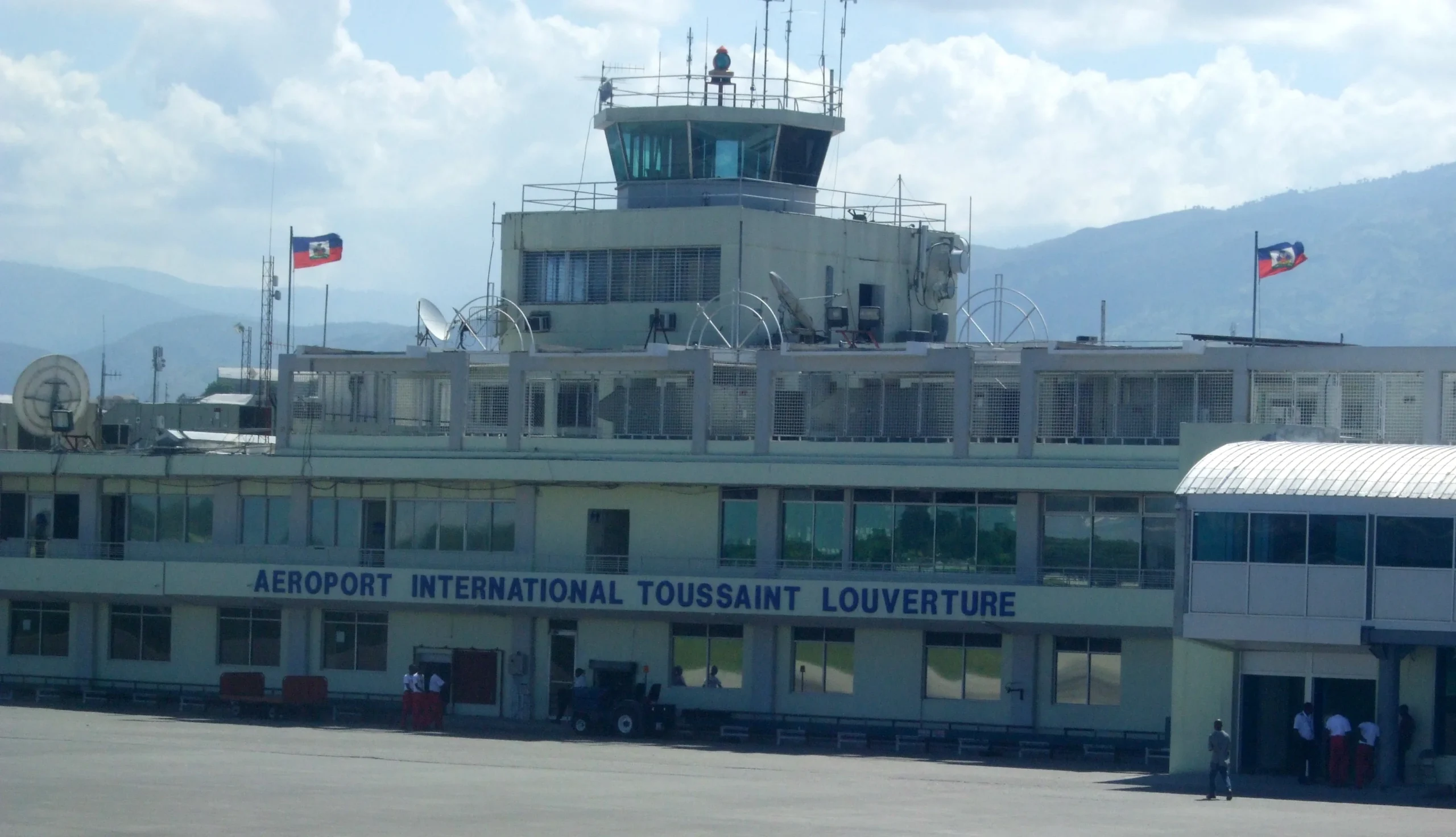
What is the current status of Toussaint Louverture International Airport?
As of January 20, 2026, Toussaint Louverture International Airport (PAP/MTPP) is open, but operations are disrupted by security conditions and international flight restrictions. The FAA’s KICZ A0008/25 prohibits covered U.S. operators from flying from the surface to 9,999 feet MSL within specified portions of Haiti’s territory and airspace through March 7, 2026.
This has effectively paused U.S. commercial service to Port-au-Prince. Separately, the U.S. Department of State maintains a Level 4: Do Not Travel advisory for Haiti due to kidnapping, crime, and civil unrest.
Status Snapshot (Jan 20, 2026)
- FAA Restriction: Valid until March 7, 2026 (KICZ A0008/25 limits U.S. operators SFC to 9999 feet MSL).
- U.S. Carriers: Commercial service to PAP is paused; check carrier advisories and FAA updates.
- Advisory Level: State Dept Level 4: Do Not Travel.
- Domestic Status: Domestic and regional service has been interrupted after security incidents; check airline advisories before travel.
- Local Media: Monitor local news sources for sudden changes in airport accessibility.
FAA Flight Prohibitions and Airline Connectivity
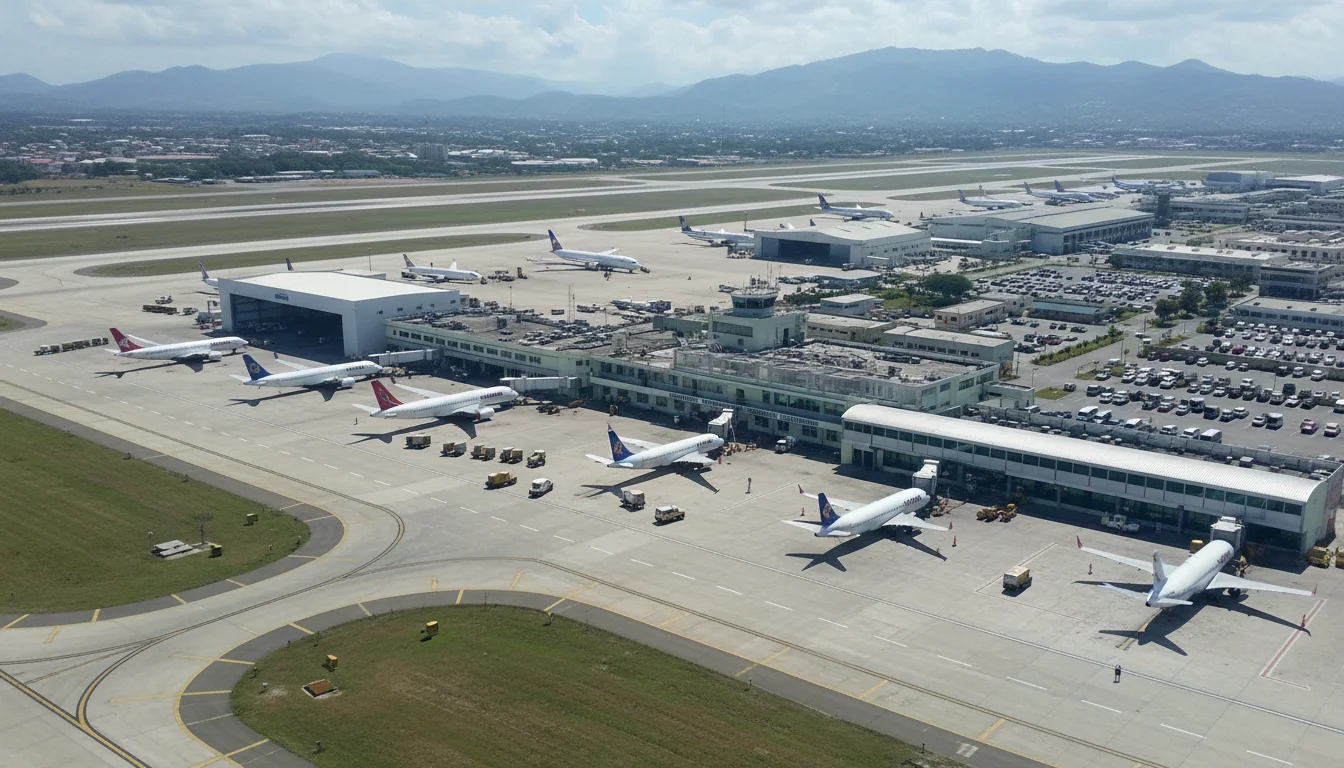
The global connectivity of Haiti’s primary hub is currently limited by aviation risk assessments. The FAA restriction (KICZ A0008/25) targets low-altitude operations (SFC to 9,999 feet MSL) where risk to aircraft is higher during takeoff and landing. Specifically, it prohibits covered U.S. civil aviation operations in the airspace defined by the NOTAM (including a 10NM radius around a published point and additional defined areas).
What this means for travelers: U.S. commercial flights to Port-au-Prince remain paused during this window. Travelers often consider alternative routing, such as Cap-Haïtien (CAP), though overland travel from the Dominican Republic is explicitly advised against due to kidnapping risks.
How to Verify Status Today
Conditions can change quickly. Do not rely on static schedules. Use these sources for confirmation:
- FAA Restrictions Page: Confirm the current KICZ NOTAM status for Haiti.
- U.S. Embassy in Haiti: Review recent Security Alerts for airport-area disruptions.
- State Dept Haiti Advisory: Confirm current advisory language and recommended actions.
- Your Airline: Check official travel alerts for rebooking guidance.
Pre-Travel Checklist: If You Decide to Travel
U.S. State Department guidance emphasizes practical steps for those who decide to travel despite the advisory:
- Arrange Transfers: Coordinate airport transfers in advance through your hotel or host organization. Avoid informal taxis.
- Evacuation Plan: Have an independent plan that does not rely on U.S. government assistance.
- Financial Safety: Avoid banks and ATMs. U.S. government personnel are prohibited from using them; travelers should plan accordingly.
- Border Warning: Do not cross the Dominican Republic border by land (State Dept advisory).
- If Followed: If you suspect you are being followed after leaving the airport, drive to the nearest police station immediately.
Arrival Procedures and Ground Transport Safety
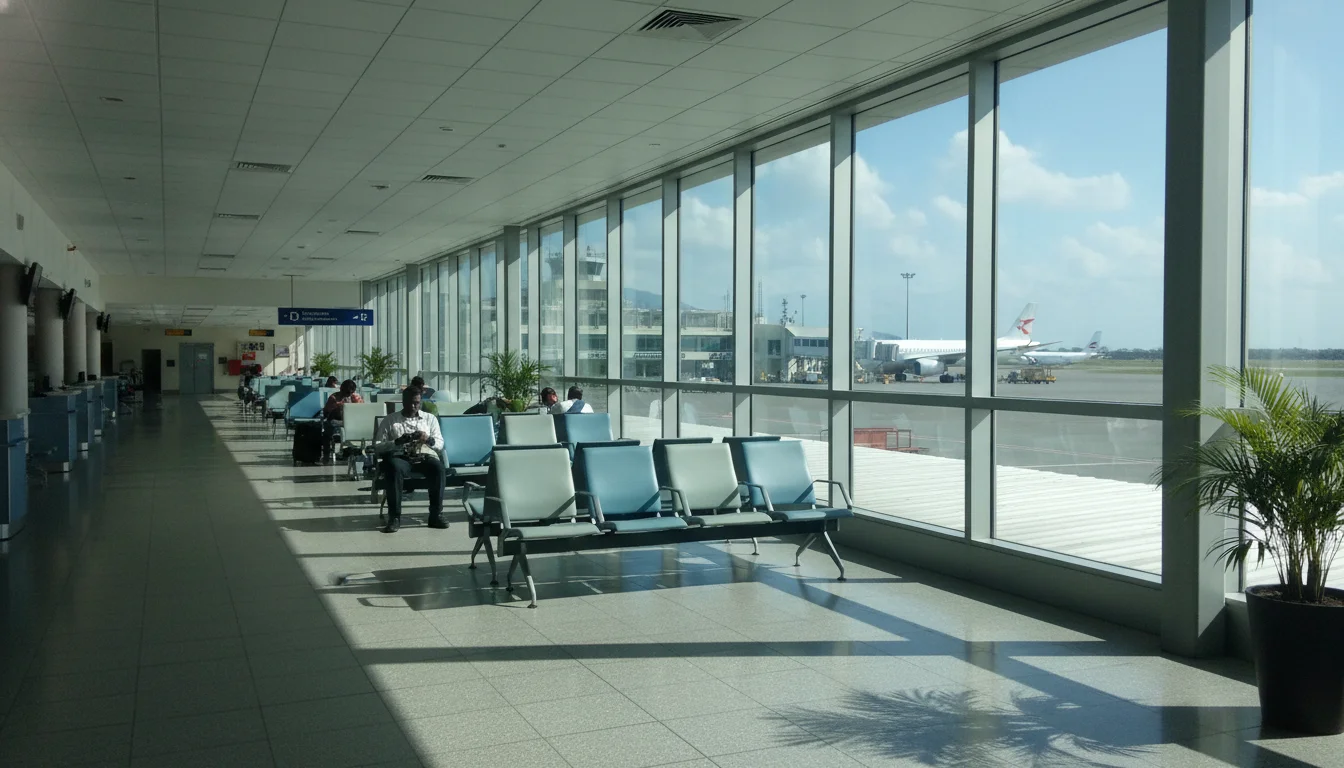
Travel guidance warns of heightened risks immediately after leaving the airport, including travelers being followed and attacked.
- Host Meet-and-Greet: Arrange to have your host meet you inside the terminal when possible.
- Minimal Exposure: Do not linger curbside or in the parking area. Move directly from baggage claim to your pre-arranged vehicle.
- No Public Transport: Public transport and “tap-taps” are not recommended for international arrivals.
If Your Flight Is Canceled
If a security incident or operational disruption occurs while you are at the airport:
- Remain Indoors: If it is unsafe to leave, stay inside secured areas of the terminal.
- Secure Location: Move to a more secure interior location (e.g., a lounge or administrative area) if credible reports indicate risk nearby.
- Contact Airline: Contact your airline immediately for rebooking instructions.
Common Myths Regarding PAP Airport
- Myth: “The airport is a safe zone.”
Fact: Official guidance warns of kidnapping and violent crime risks on roads leading to and from the airport. - Myth: “I can just drive to the Dominican Republic if flights stop.”
Fact: U.S. guidance explicitly warns against crossing the Dominican Republic border by land due to kidnapping and security risks. - Myth: “I can rely on the U.S. Embassy for transport.”
Fact: U.S. government capacity to provide emergency services is limited; independent planning is required.
FAQ: Traveler Essentials for 2026
Is the airport open today?
It is open, but service is volatile. Verify with your airline and review recent alerts before traveling.
How long is the current FAA restriction?
The current FAA KICZ A0008/25 restriction is valid through March 7, 2026, unless updated or extended.
Are U.S. airlines flying to PAP?
U.S. commercial service to Port-au-Prince remains paused during this window in practice. Check your carrier’s advisories for the latest.
What are the airport codes?
ICAO: MTPP. IATA: PAP.
Who manages the facility?
Airport operations are associated with Haiti’s airport authority structure (AAN) and civil aviation oversight (OFNAC), while airlines make their own operational decisions route by route.