Last Updated: 2026-01-20
For leisure travel, the safest choice is usually to postpone a trip to Haiti. Current travel advisories flag serious risks that are hard to manage as a visitor, including kidnapping, armed crime, civil unrest, and limited health care.
This guide shows you how to interpret Haiti travel advice without guessing, why risk concentrates around Port-au-Prince and airport transfers, and what “Haiti on a cruise” changes (and does not change). Use it to decide whether your trip is optional or essential, then build a realistic plan around safety and security, travel insurance, and medical evacuation options.
Is it safe to visit Haiti right now? Start with travel advisories
Start with the highest-signal inputs: current travel advisories from governments that publish risk indicators and update dates. The U.S. State Department’s Haiti travel advisory dated July 15, 2025 is Level 4: Do Not Travel, citing kidnapping, crime, terrorist activity, civil unrest, and limited health care. U.S. Department of State: Haiti Travel Advisory
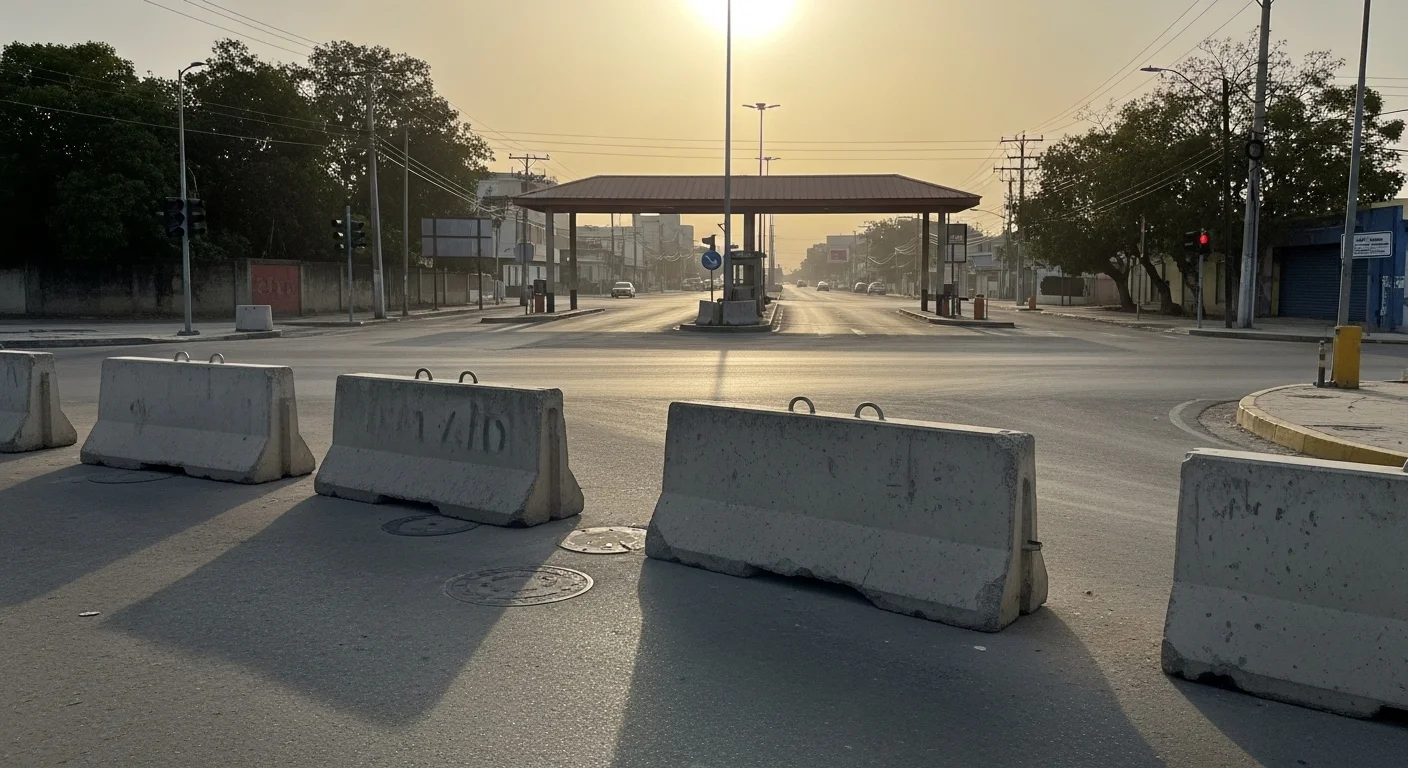
In practical terms, a Level 4 advisory is not just “be careful”… it is a warning that risk is high and that consular help can be limited if something goes wrong. It also shapes what airlines, insurers, and cruise operators may do (pause service, change itineraries, limit coverage, or impose conditions). If your travel plans are flexible, advisories often answer the question by themselves.
Haiti travel safety: What is driving the highest-risk warnings
Risk warnings are driven by specific, repeating conditions… not vague fear. Canada’s travel advice for Haiti is “Avoid all travel” and points directly to kidnappings, gang violence, and the potential for civil unrest throughout the country. It also notes a state of emergency in specific departments including Ouest, Artibonite, and Centre. Government of Canada: Travel advice and advisories for Haiti
For visitors, that matters because these risks are “mobility risks.” A safe hotel does not help if roads are blocked, airport access changes, or movement becomes unpredictable. Trip safety depends less on one location and more on whether you can keep movement controlled, minimal, and supported by trusted local logistics.
Haiti travel safety: Port-au-Prince and airport transfers are high exposure
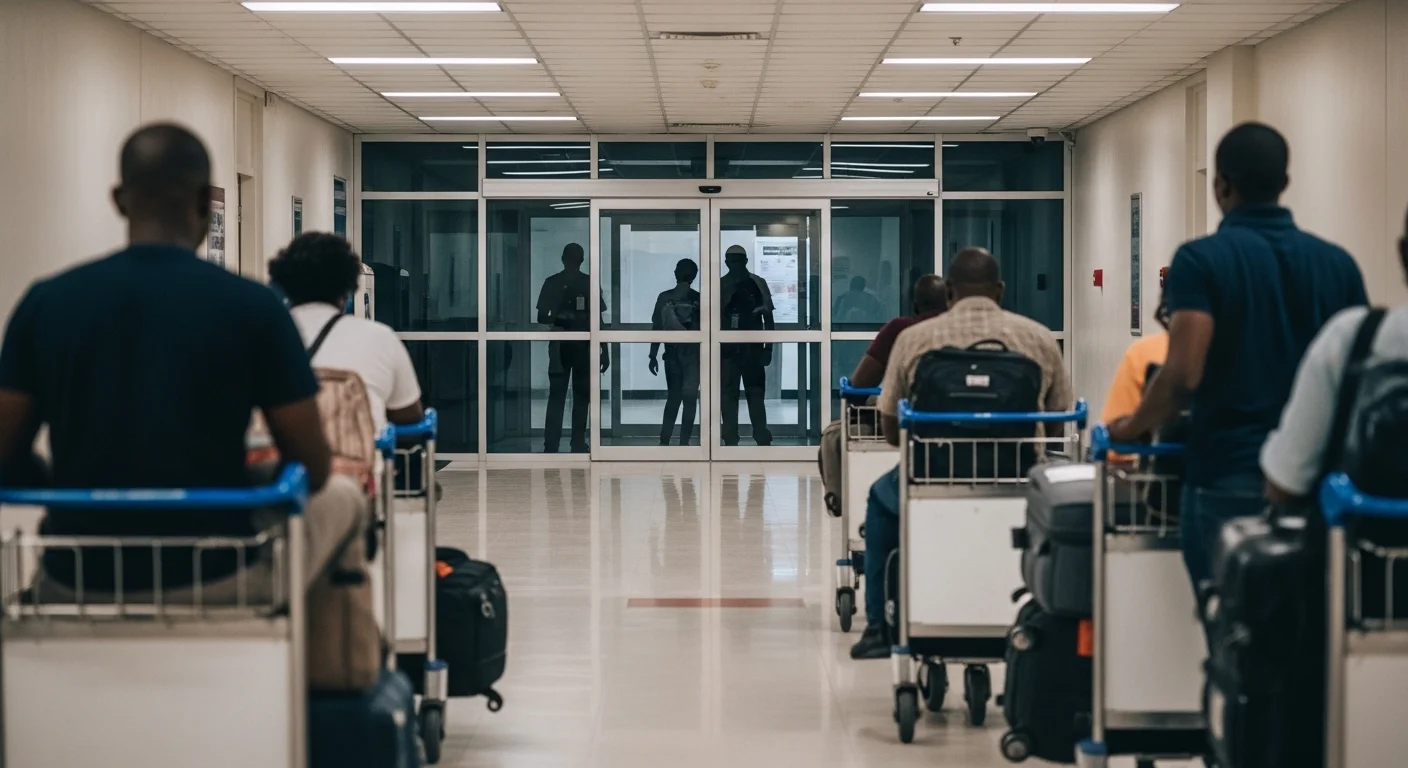
For many travelers, the highest-exposure moments are not sightseeing… they are transfers. The U.S. advisory highlights risks around Toussaint Louverture International Airport and warns that travelers can be followed and attacked shortly after leaving the airport or while entering or leaving hotels in Port-au-Prince. It also describes unpredictable demonstrations and roadblocks that can turn violent. U.S. Department of State: Haiti Travel Advisory
If you must be in Port-au-Prince, treat “just passing through” as a risky plan. Build airport transfers in advance, avoid after-dark movement, and do not improvise transportation on arrival. The goal is not confidence… it is control.
Flights, borders, and evacuation reality: plan for disruption
Travel plans can collapse quickly if you assume normal flight operations or a simple exit route. Canada notes that Toussaint-Louverture airport has reopened but operations remain limited, and that many international airlines have suspended flights to and from Port-au-Prince until further notice. It also states that on March 5, 2024, the Dominican Republic closed its air border with Haiti, and that land and sea borders between the two countries remain closed to travelers. Government of Canada: Travel advice and advisories for Haiti
- Do not rely on last-minute rerouting: assume cancellations and delays are possible and build buffer days.
- Confirm before you move: verify flight status the day before and the day of travel.
- Have an evacuation plan that does not depend on rescue: know your options, contacts, and limits in advance.
- Keep travel documents secure: protect your passport and essential documents, and keep copies offline.
Travel health in Haiti: malaria prevention and medical evacuation planning
Travel health is part of security when care access is limited and movement can be risky. The CDC recommends prescription medicine to prevent malaria for travelers going to Haiti and lists transmission areas as all areas (including Labadee). The CDC destination page shows an update date of April 23, 2025. CDC: Haiti Traveler View
- Pre-trip health plan: review CDC guidance and discuss malaria prevention timing with a clinician before departure.
- Medical evacuation: choose comprehensive travel insurance that includes medical evacuation and keep emergency numbers offline.
- Medication resilience: bring enough prescription and over-the-counter supplies for the full trip plus extra days for disruptions.
- Food and water: follow safe food practices consistently to reduce avoidable illness.
Is it safe to visit Haiti on a cruise? Labadee as a conditional stop
A cruise stop changes your exposure profile because time on shore is shorter and movement can be more structured than independent travel. That reduces some risks… but it does not make the destination “safe,” and it does not guarantee the stop will happen. Cruise itineraries can change quickly as conditions shift, and travelers should expect reroutes.
As of January 14, 2026, Cruise Critic reports Royal Caribbean will not call at its private destination in Labadee at any point in 2026, extending prior cancellations. Cruise Critic: Royal Caribbean Cancels Visits to Labadee Through 2026
Practical takeaway: treat “Haiti on a cruise” as conditional. Plan for itinerary changes, review your shore-day choices with safety in mind, and still follow travel health guidance (including malaria prevention) even for a short visit.
How to Verify Status Today (before you book)
Travel advisories and cruise itineraries can change fast. Before you book flights, hotels, or excursions, verify the current status the same day you make a decision… then re-check within one week of departure and again within twenty-four hours of travel.
- U.S. travelers: Check the current Haiti travel advisory, the update date at the top of the page, and any new risk indicators. U.S. Department of State: Haiti Travel Advisory
- Canadian travelers: Read the current “Avoid all travel” guidance and review the “Safety and security” section for airport and border notes. Government of Canada: Travel advice and advisories for Haiti
- Health: Review the CDC traveler page close to departure, paying attention to malaria guidance and the page’s update date. CDC: Haiti Traveler View
- Cruise line updates: Check your cruise line’s travel and itinerary updates page and your booking emails for confirmed changes to ports and shore excursions. Royal Caribbean: Travel Updates
Editorial note: this article reflects a source check performed on 2026-01-20. Always prioritize the newest update dates displayed on the advisory pages when making travel plans.
FAQ
Is it safe to visit Haiti for a leisure vacation?
For leisure travel, the risk profile described in current travel advisories is high and difficult to manage without strong local support and controlled logistics. A postponement is the lower-risk decision when you have flexibility.
What about visiting Labadee on a cruise?
Cruise visits offer reduced exposure compared to independent travel because movement and timing can be more structured, but they are not “risk-free.” Travelers should expect itinerary changes and still follow travel health guidance. As of January 14, 2026, Royal Caribbean canceled Labadee calls through 2026, signaling operator caution. Cruise Critic: Royal Caribbean Cancels Visits to Labadee Through 2026
Do I need malaria prevention even for short visits?
Yes. The CDC recommends prescription medicine to prevent malaria for travelers going to Haiti and lists transmission areas as all areas, including Labadee. CDC: Haiti Traveler View
What is the single biggest planning mistake travelers make?
Improvising logistics after arrival… especially airport transfers, transportation, and timing. If travel is unavoidable, reduce exposure by pre-arranging trusted transport, avoiding night movement, and using a strict check-in plan with an emergency contact.