Introduction: How Haitian Cooking Actually Works
If you learn a few core building blocks, Haitian recipes become easy to repeat and even easier to adapt. But Haitian cooking isn’t just about following steps—it’s about understanding why flavor gets built the way it does, rooted in African, French, Spanish, and Taíno influences that show up in every pot.
Start with epis, the seasoning base that shows up across soups, stews, marinades, and rice dishes. Add a sharp condiment like pikliz to balance rich, savory food. Then anchor everything with a staple like diri kole ak pwa (rice and beans). This combination—base, protein, bright side—has fed Haitian families for generations, and it’s the framework that makes home cooking feel authentic and effortless.
This guide gives you a practical roadmap: what to understand about the core ingredients, which classic dishes to try first, how regional variations work, and how to build a complete plate without stress. You can read straight through or jump to the section that interests you most.
Foundational Haitian Staples: The Ingredients That Define the Cuisine
A well-stocked Haitian kitchen doesn’t require obscure specialty items. It requires understanding how a small number of ingredients work together.
Epis: The Seasoning Base That Gives Haitian Food Its Foundation
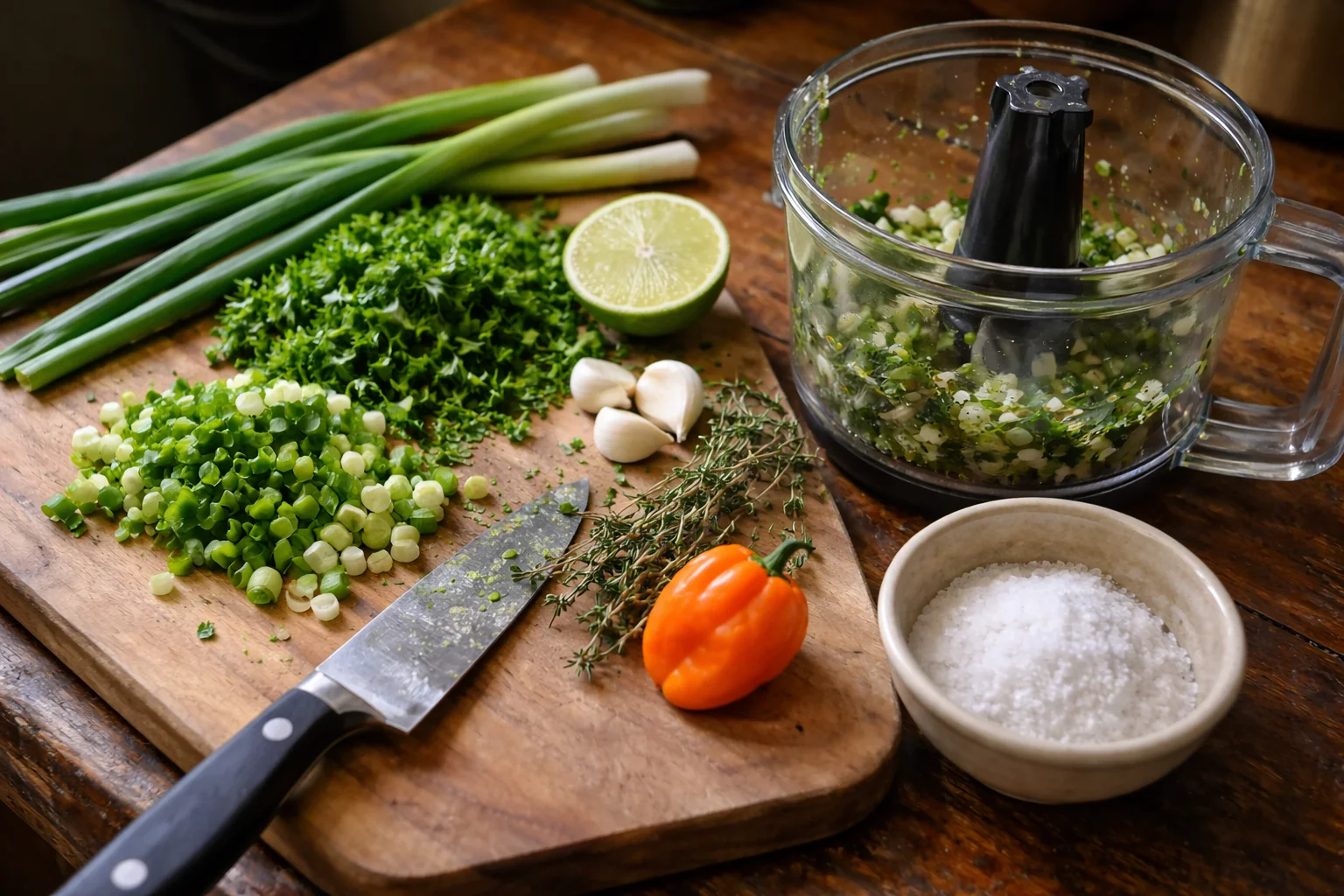
Epis is a blended seasoning base that many Haitian cooks treat like a week-to-week essential, not a one-off ingredient. It typically combines aromatics and herbs—garlic, parsley, scallions, thyme, and peppers—then gets worked into stews, soups, and marinades so flavor is built early, not sprinkled on at the end.
Why this matters: Early flavor layering is why dishes like poul nan sos and rice-and-beans taste cohesive instead of scattered. When you brown chicken and then add epis to the pot, the herbs and aromatics break down into the liquid, seasoning not just the surface but penetrating the meat. That’s the difference between “good chicken stew” and “tastes like home.”
In practical kitchen terms: Make one batch of epis, portion it into ice cube trays, freeze it, and you can marinate chicken thighs, start a stew, or season a pot of diri without slowing down. The consistency matters—aim for a spoonable paste, not a watery slurry, so it spreads easily on meat and dissolves into simmering pots.
Sourcing note: Fresh epis loses potency after 3-4 weeks in the refrigerator, which is why freezing in portions works so well. If you can’t find all ingredients fresh (particularly fresh thyme and scallions), substitute dried thyme at half the quantity, and use thawed frozen scallions if necessary—the paste will work, though fresh is noticeably brighter.
Pikliz: The Bright, Spicy Condiment That Changes Every Bite
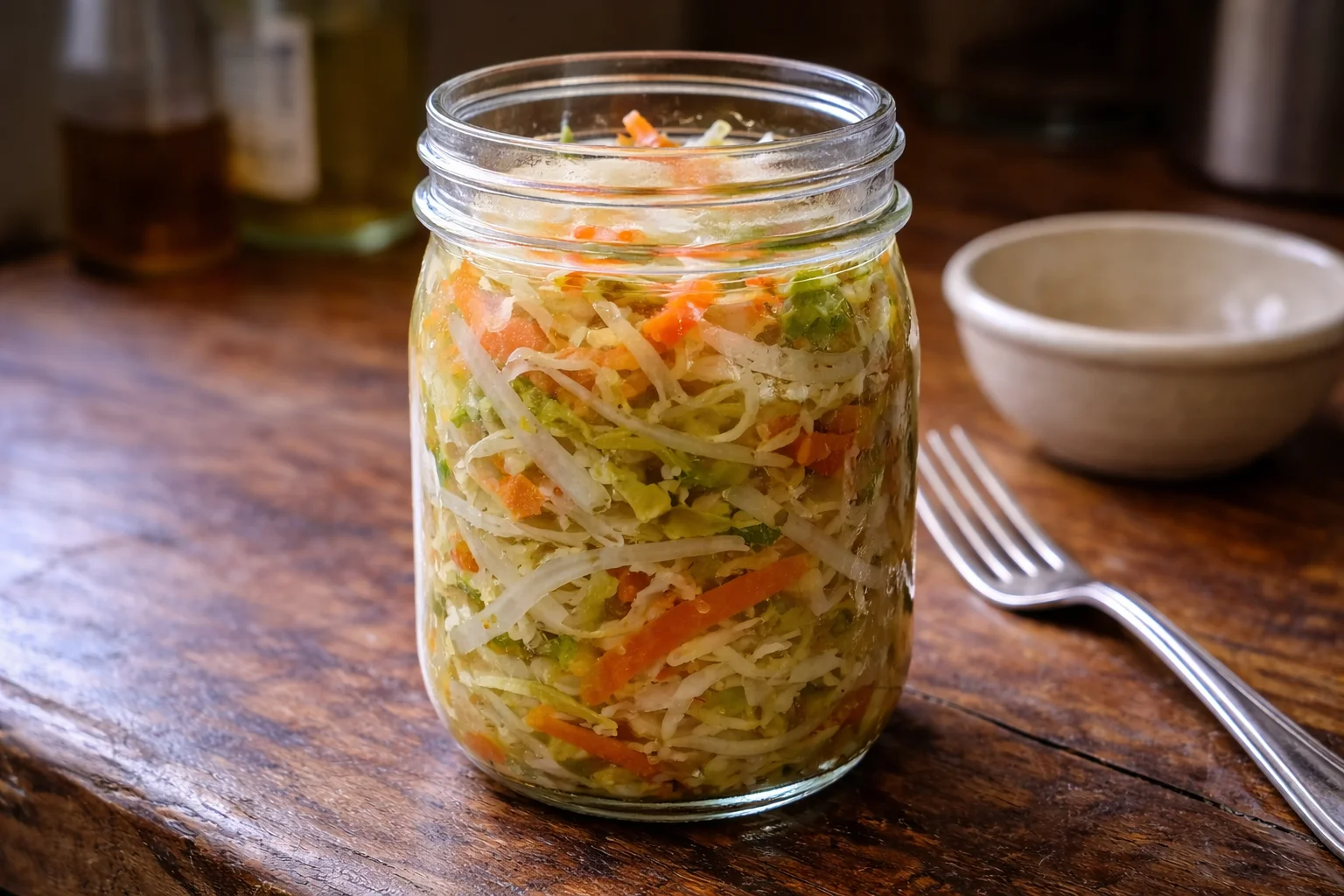
Pikliz is a crunchy, acidic condiment that adds lift to heavier foods and fried sides. The most recognizable versions are built on shredded cabbage and carrot, then pushed into heat with peppers and spices, and preserved in vinegar or citrus.
What makes it work: A small spoonful can change the entire bite of a stew or a plate of plantain. Pikliz is sharp and lively—it doesn’t just add heat, it adds contrast. That contrast is what makes rich, slow-cooked food feel balanced on the plate.
For home cooks, the key is patience and texture. Slice vegetables thin enough to pickle quickly (roughly 1/8 inch). Keep the mix submerged so it stays crisp. Taste over time so you learn the balance between vinegar bite, salt, and pepper heat. The first day will be sharp; by day three, flavors meld and it tastes more integrated. By week two, it’s a background note rather than a shout.
Sourcing and substitution: Traditionally made with scotch bonnet peppers—fruity rather than purely hot—pikliz is designed to add brightness, not overwhelm. If you can’t find scotch bonnet (usually available at Caribbean markets or online), habanero works, though it’s slightly earthier. If you want less heat, use fewer peppers or remove seeds before fermenting.
Pikliz keeps refrigerated for months, getting more funky and complex over time. Some families age it intentionally, letting vinegar and spice meld into something deeper.
Rice and Beans: Diri Kole ak Pwa as a Haitian Staple
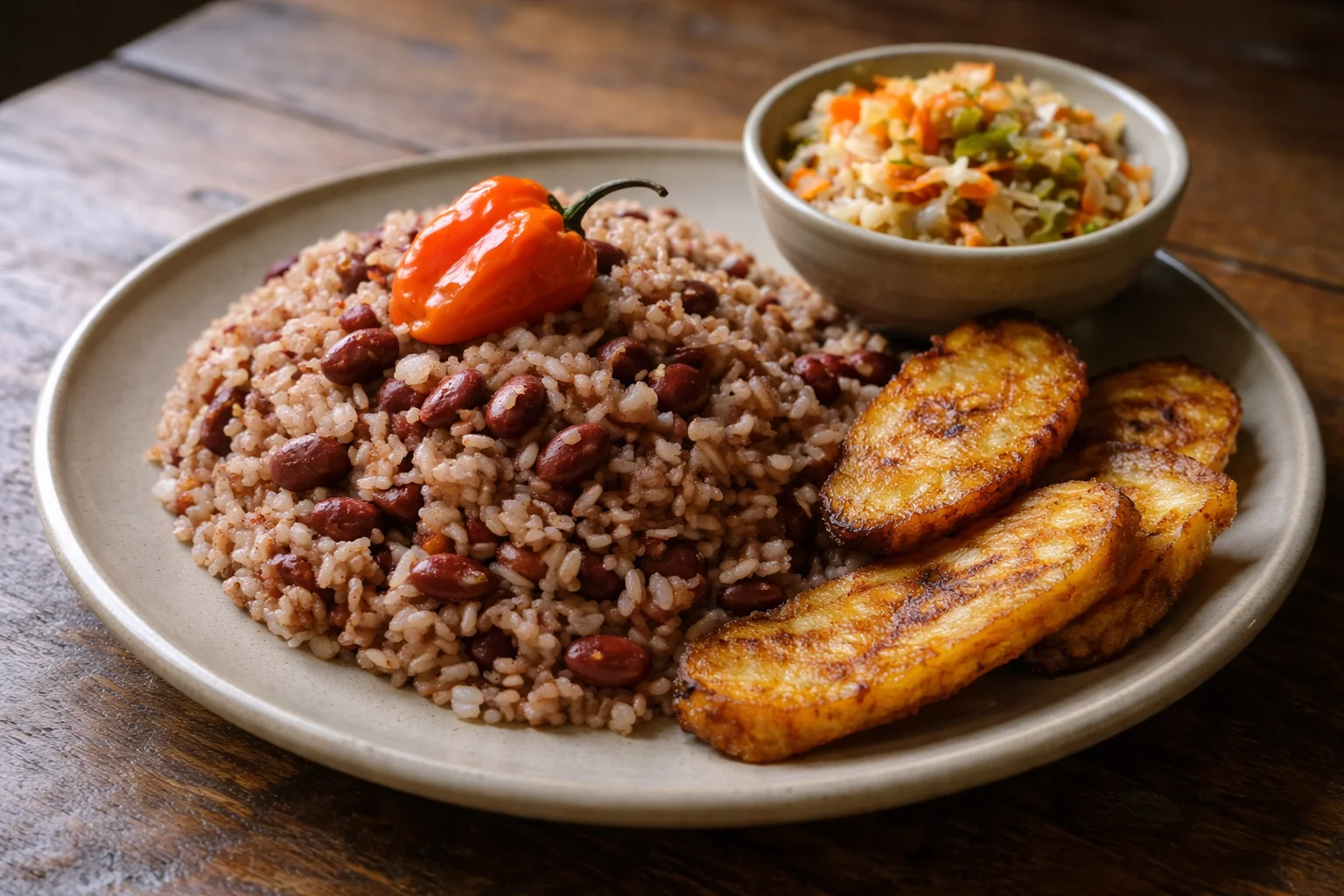
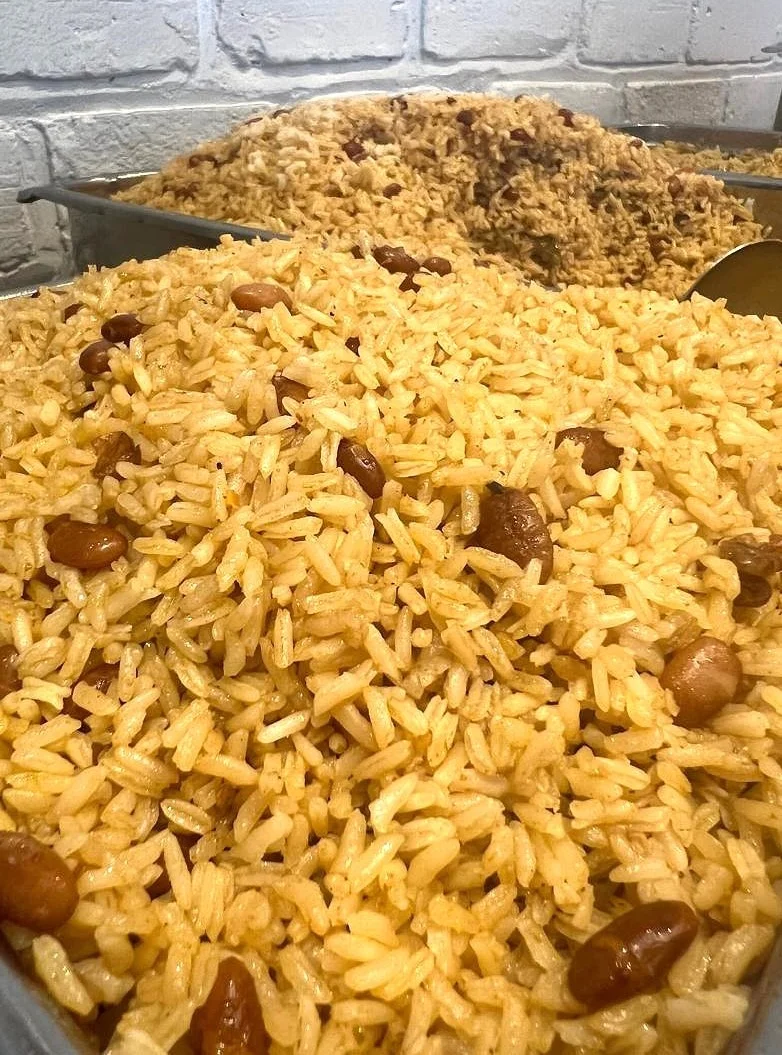
Diri kole ak pwa (literally “rice stuck to beans”) is not just a side—it’s a foundation that supports stews, sauces, and fried sides without competing for attention.
The method matters more than you’d expect: Cook the beans until they’re tender, then use that flavorful liquid (the “kole,” or stick) to season the rice. This is different from cooking rice and beans separately. The bean cooking liquid—rich with flavor from aromatics and the beans themselves—becomes your rice cooking liquid. That’s why the flavor runs through the grains instead of sitting on top.
When I first learned this dish, I cooked the beans in plain water and then made rice in a separate pot. The result was technically correct but felt flat. Once I started using the bean liquid, the entire plate tasted more integrated. Every grain carried the meal’s seasoning.
Pair diri kole ak pwa with a spoon of pikliz and a ladle of sauce from a stew, and you get the balanced plate many people associate with Haitian home cooking.
Practical application: Treat diri kole ak pwa as your weekly anchor. Make a pot, then rotate the main dish across the week—chicken stew one day, a vegetable-forward sauce another day, then leftovers repurposed into a quick bowl. The staple stays; the protein changes.
Scotch Bonnet Peppers: Heat That Carries Flavor, Not Just Spice
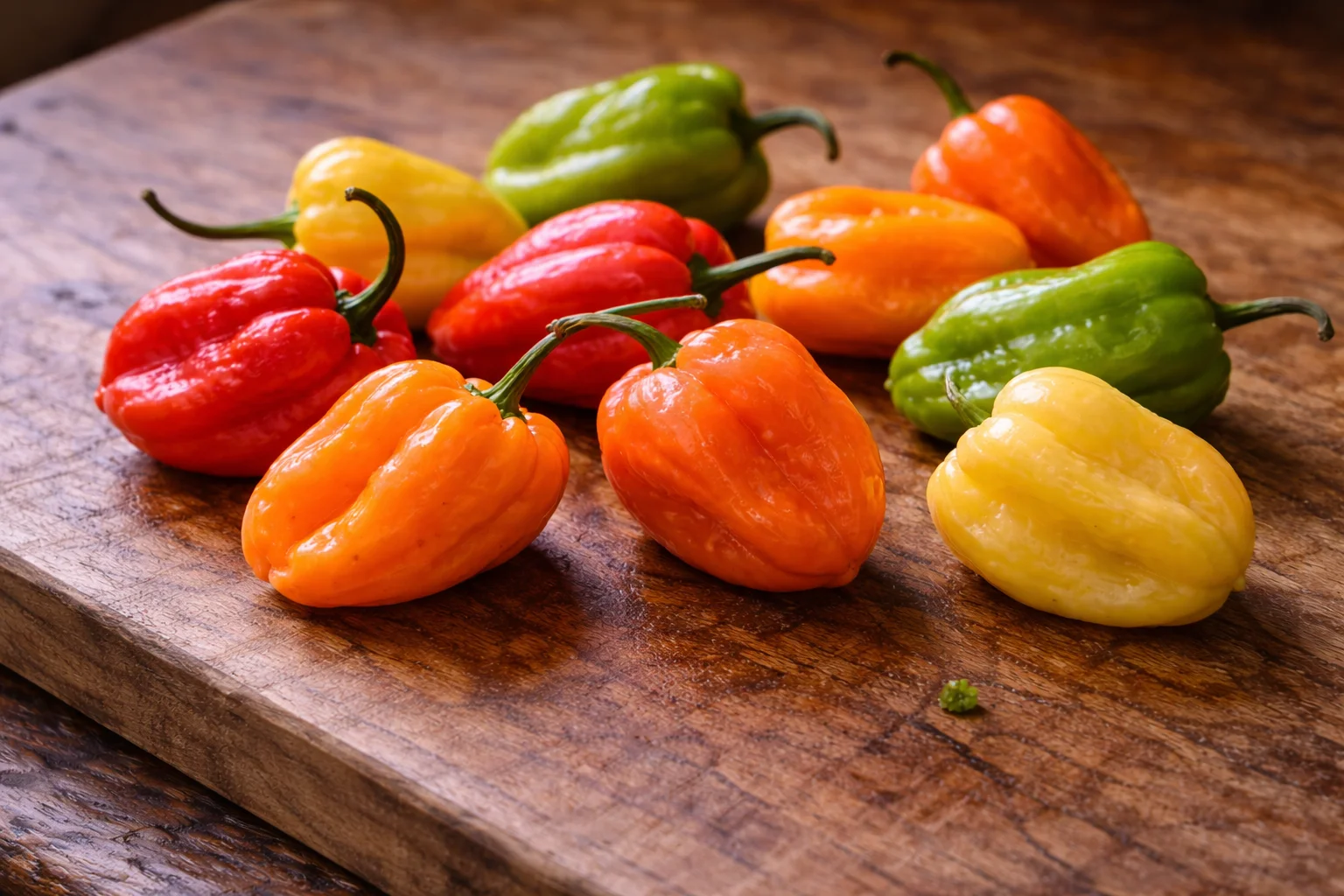
Scotch bonnet peppers bring fruity heat rather than flat, burning spice. They’re essential to Haitian cooking not just for heat level but for the flavor they contribute—slightly floral, slightly fruity, with a lingering warmth that builds rather than hits.
Quantity matters: A whole scotch bonnet in a pot of stew seasons the entire batch without making it inedible-hot. Half a scotch bonnet in pikliz creates brightness. Minced scotch bonnet added to epis brings the heat forward.
If you’re heat-sensitive, remove the seeds and white pith before using the pepper flesh—you’ll keep the flavor and reduce the intensity significantly.
Djon Djon Mushrooms: When Celebration Meets Rice
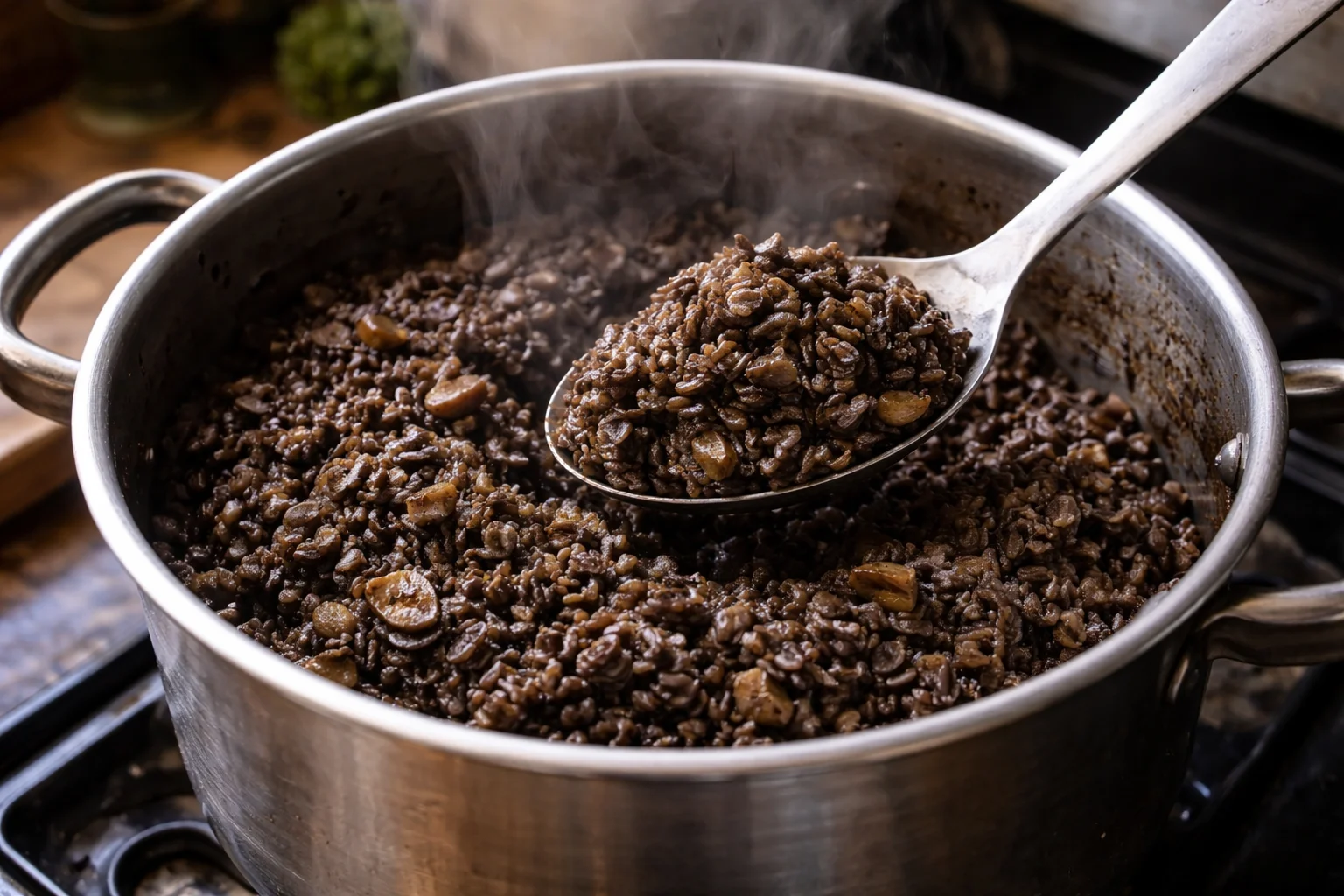
Djon djon mushrooms are rare, earthy, and expensive. They tint diri djon djon (black rice) inky and deep. Because the fungus is hard to source and costs significantly more than regular rice, it’s often saved for celebrations—holidays, weddings, significant gatherings—where the dark rice signals “something special is happening.”
Contemporary Haitian chefs keep the signature dark rice but lean vegetable-forward or amplify seafood, showcasing Haiti’s adaptable rice tradition. Some cooks fold in lima beans or bits of meat as a lagniappe (a little something extra).
If djon djon is unavailable (which it often is outside Caribbean specialty markets), you can approximate the earthiness with black rice mixed with a splash of squid ink, though the flavor profile shifts significantly. Most home cooks outside Haiti substitute regular rice and focus on the protein or sauce instead.
Plantains and Root Vegetables: The Starchy Foundation
Plantains show up as bannann peze (fried plantain slices), matenten (twice-fried plantain), or in stews. They anchor plates with savory, crisp edges and subtle sweetness.
Hardy root vegetables—malanga, cassava, yams, and sweet potatoes—add substance and comfort. They show up in vegetable stews (legim), soups, and sometimes mashed as a side.
These ingredients are less about technique and more about understanding their role: They’re there to balance, to provide body, to make a meal feel complete without competing for attention.
Classic Haitian Proteins: How Flavor Gets Built
How does Haitian cooking turn everyday cuts of meat into unforgettable, party-ready plates? It starts with epis—a blended backbone of herbs, garlic, onions, and peppers that sinks into pork, chicken, and seafood. Then it adds marinades with sour orange or lime juice (acid), and sauces with tomato, onion, and chile heat.
The rhythm is consistent: marinate → brown → simmer. Do this right, and even modest cuts of meat become tender and flavor-forward.
Griyo: Haiti’s Unofficial National Dish
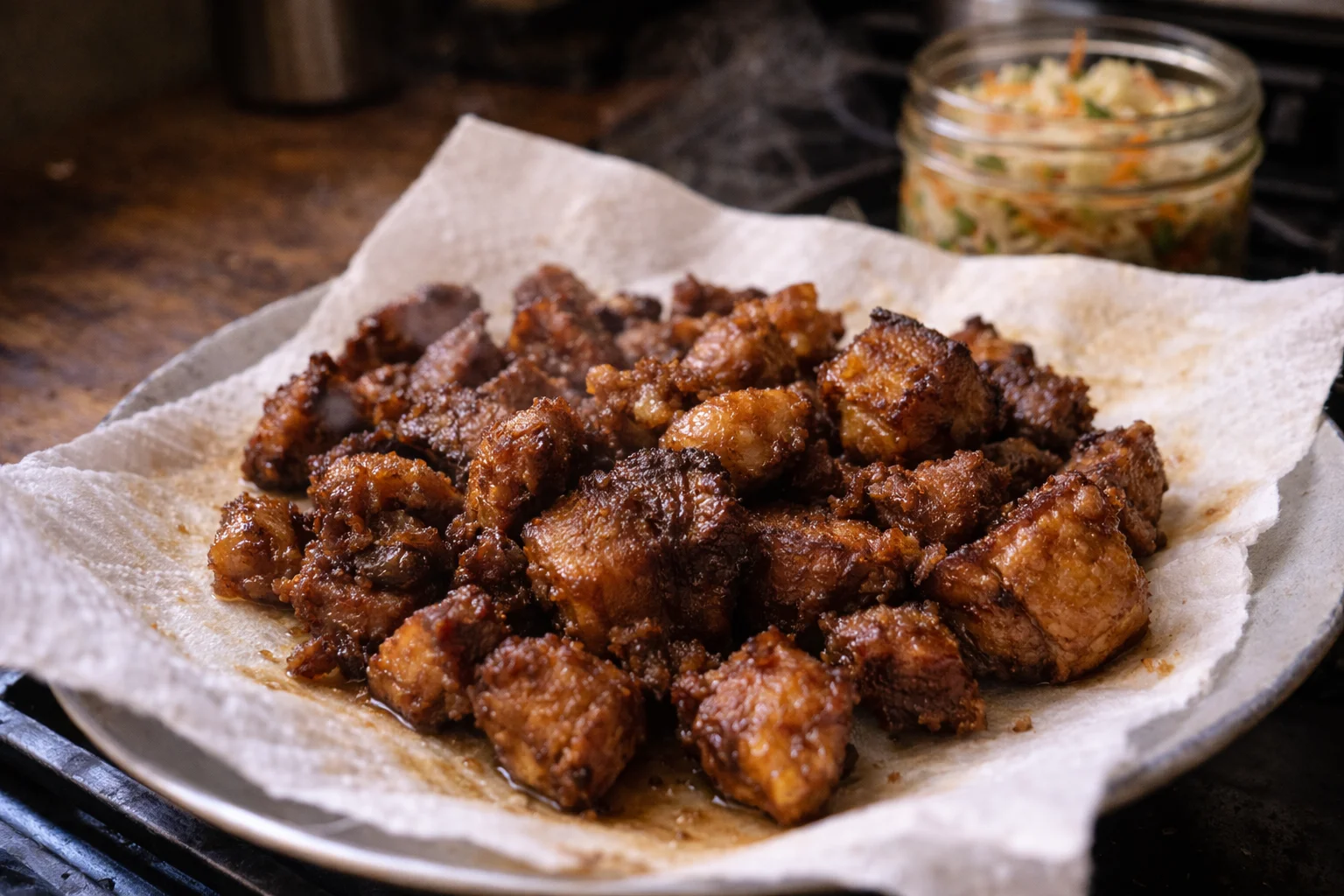
Griyo (sometimes spelled “griot”) is pork shoulder soaked in sour orange and epis, simmered until yielding, then flash-fried so the outside crackles while the inside stays juicy. It’s the showpiece, the dish that shows up at celebrations, and the one that convinces people they understand Haitian food.
The method:
- Cut pork shoulder into 2-3 inch chunks
- Combine chunks with epis, sour orange juice (or lime if sour orange isn’t available), salt, and let sit 4-8 hours (overnight is better)
- Simmer in the marinade until fork-tender (45 minutes to 1 hour, depending on chunk size)
- Remove pork, save the braising liquid for a sauce
- Heat oil until shimmering hot, then fry pork chunks until edges are crispy and golden
Serve with pikliz on the side—the vinegared slaw cuts the richness with crunch and acidity. Pile it over diri kole ak pwa and you’ve got a complete, restaurant-quality meal.
The science: The acid in the marinade breaks down muscle fibers, making the meat tender. Simmering finishes the job. Flash-frying at the end creates a crust through the Maillard reaction—browning that develops complex flavors you can’t get any other way.
Chef insight: Gregory Gourdet, who runs Kann restaurant in Portland and champions Haitian culinary representation, emphasizes that griyo isn’t about showing off technique—it’s about understanding that acid, time, and heat are tools that work together. Each step has a purpose.
Poul Nan Sos: A Practical Starting Point
Poul nan sos (Haitian chicken stew) is practical because it uses familiar ingredients—bone-in chicken, onions, peppers, citrus, and a sauce that develops as it cooks.
The method is simple: marinate the chicken so flavor gets into the meat, brown it for deeper taste, then simmer it in a sauce until tender. Served over white rice or diri kole, it becomes a complete meal.
Two anchors make this dish reliable:
1. The citrus-and-herb marinade helps the chicken taste seasoned all the way through, not only on the surface. 15-30 minutes minimum; overnight is better.
2. Simmering in sauce gives you something to spoon over rice, which is often the difference between a dish that tastes good and a dish that feels “Haitian style” on the plate.
Troubleshooting: If the sauce tastes thin, it likely needs more time to reduce and concentrate, or more epis layered in. If it tastes heavy, brighten it with acid (lime juice) or serve pikliz on the side.
Tasso and Other Dried/Cured Proteins
Tasso is citrus-marinated beef or goat, air-dried, then fried crisp for snacking or topping. It requires planning (2-3 days of drying) but creates an ingredient you can keep on hand and use across multiple meals—crumbled into rice, piled on salads, or eaten straight as a snack.
Modern Haitian cooking also embraces seafood—shrimp in creole sauce, fish in broth, conch in stews. The same marinating and layering principles apply: early acid, aromatics worked in, time for flavors to meld.
Pillar Dishes: Rice-Based Meals That Anchor Celebrations
diri Djon Djon: Black Rice as a Celebratory Dish
Where Haitian feasts often find their anchor is in rice—seasoned in deeply flavored liquids so every grain carries the meal’s spice, aroma, and richness.
diri djon djon stands out for its inky color and woodsy depth, drawn from the rare djon djon mushroom that tints the pot black. Because the fungus can be hard to source, it’s often saved for celebrations, where its aroma signals something special.
When you open the pot of djon djon cooking, the smell is earthy and slightly mineral—completely different from regular rice. That sensory difference is why it matters: Food is memory, and djon djon tastes like occasion.
The rice is frequently paired with beans, seafood, or a splash of coconut milk. Cooks may add lima beans or bits of meat as a lagniappe (a little something extra).
Contemporary takes: Progressive chefs keep the signature dark rice but lean vegetable-forward or amplify seafood, showcasing Haiti’s adaptable rice tradition without losing authenticity.
diri Kole ak Pwa: The Weekly Anchor
As mentioned above, this rice-and-beans combination is the foundation that supports everything else. Make a big pot at the start of the week, portion it, and you’ve got your base for multiple meals.
Soup Joumou: A Celebratory Haitian Soup With Cultural Meaning
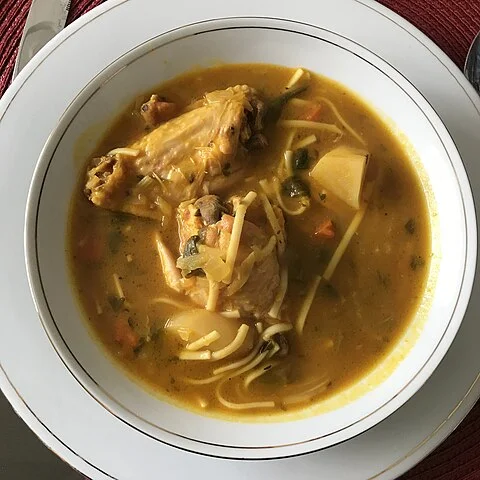
Soup joumou (also called giraumon soup) is a traditional Haitian pumpkin or squash soup widely associated with celebration and community. It’s served on Haitian Independence Day (January 1st) as a symbol of freedom—historically, enslaved people were forbidden from eating it, making it a powerful reclamation.
Many versions combine squash with a mix of vegetables, spices, and often meat. It’s commonly prepared as a shared meal that brings families and neighbors together.
When you cook it at home, the biggest goal isn’t perfection—it’s building a pot that tastes layered, with vegetables that keep their character and a broth that carries the seasoning.
The UNESCO description emphasizes both the dish’s ingredients and its role in social cohesion through shared preparation and serving. When you make soup joumou, you’re participating in something bigger than a recipe. That matters.
Haitian Sauces and Condiments: The Flavor Multipliers
Weeknight Haitian cooking doesn’t truly click until the sauces and condiments hit the table.
Epis as a Building Block
The herb-garlic-pepper seasoning base is stirred into marinades, stews, and rice to build instant depth. Cooks keep a jar ready, rubbing it into pork for griyo, whisking it into braises, or folding it through rice for quick, savory aroma.
One spoon of epis can turn plain rice into something that tastes intentional. That’s the power of understanding one ingredient deeply.
Pikliz as a Finishing Touch
For brightness and bite, pikliz does the heavy lifting—a vinegared slaw of cabbage, carrots, onions, and scotch bonnet peppers that slices through fried and slow-cooked richness.
Scotch bonnet heat adds fruity intensity without burying other flavors, so a small spoonful can wake up plantains, root vegetables, or seafood plates. The acid in the vinegar cuts through fat. The texture contrasts with soft starches.
Together, epis and pikliz turn simple staples into weeknight signatures.
Regional Flavors in Haitian Cooking: Understanding Variation
Once epis and pikliz become everyday staples, it’s easier to notice how Haitian cooking shifts from one region to the next while keeping the same bold backbone.
Regional flavors braid African, French, Spanish, and Taíno influences, then lean on local harvests—scotch bonnet heat, plantains, and root vegetables—to tilt dishes toward brighter, smokier, or deeper notes. Epis stays the constant, marinading meats and anchoring stews and rice even when methods change.
Historical Influences at Play
Understanding where Haitian dishes come from helps you understand how to adapt them. Griyo likely evolved from Spanish techniques applied to pork. diri kole ak pwa reflects African rice traditions recontextualized in Caribbean soil. Soup joumou carries cultural weight far beyond its ingredients: it’s a dish of liberation, historically denied to enslaved people, now claimed as a national symbol.
That cultural context doesn’t change how you cook it, but it changes how you understand it. Food carries history.
How to Build a Simple Haitian Menu: The Three-Part Framework
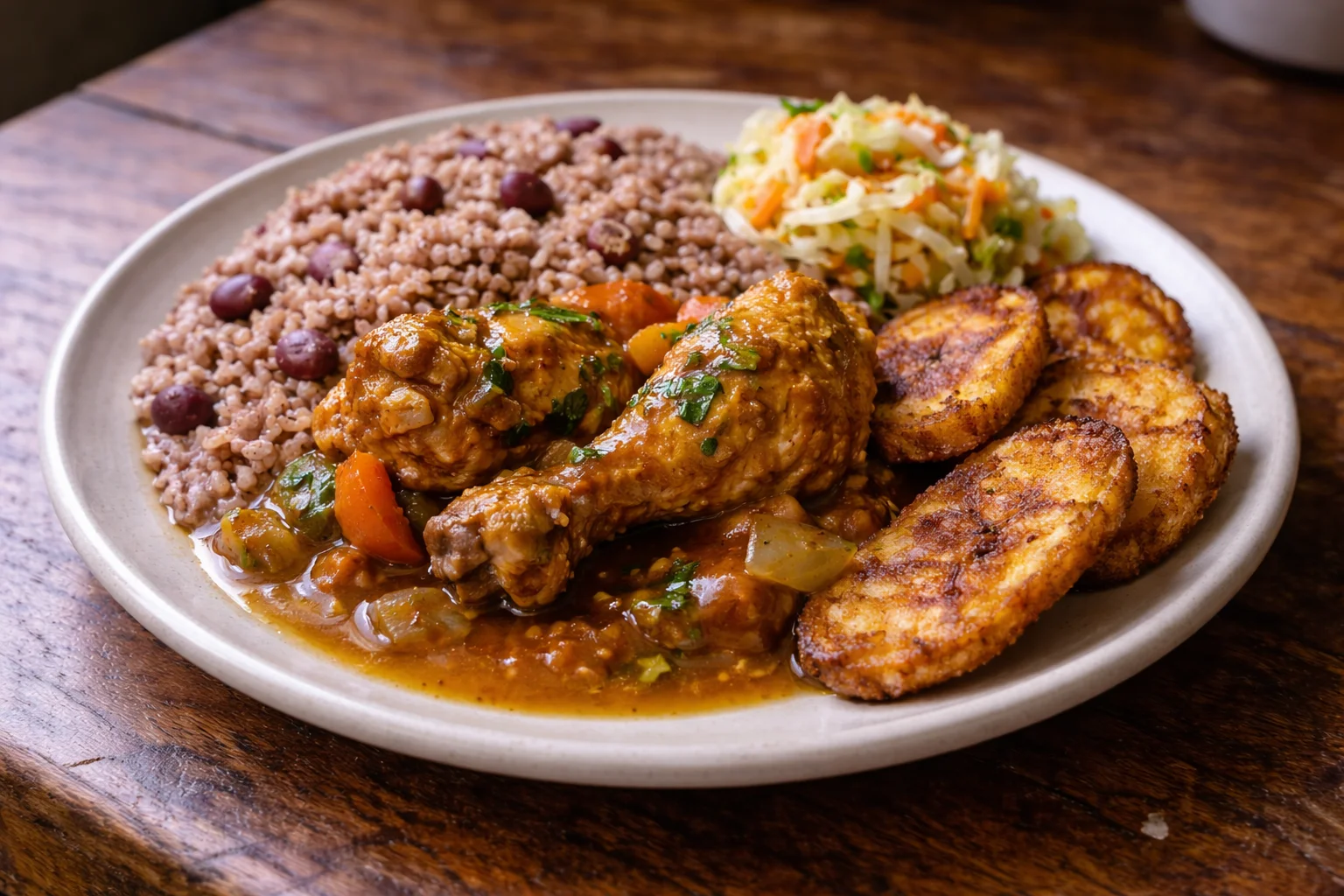
If you want a repeatable system, build your meal in three parts: a staple, a main dish, and a bright side.
Staple: diri kole ak pwa for a base that carries sauce and seasoning well.
Main dish: Poul nan sos for tender chicken and a spoonable sauce. (Or griyo if you have time for marinating and frying.)
Condiment: Pikliz in small amounts for brightness and crunch.
Optional add-on: Fried plantain or a simple salad, depending on what you have.
This pattern covers comfort food, heat, and freshness in one plate, and it also makes leftovers easy because the components stay useful across multiple days.
Menu example:
- Monday: diri kole ak pwa + poul nan sos + pikliz
- Tuesday: diri kole ak pwa + leftover poul nan sos + pikliz + fried plantain
- Wednesday: diri kole ak pwa (reheated) + legim (vegetable stew) + pikliz
- Thursday: Same framework, different protein (maybe seafood in a simple broth)
The repetition is intentional. Haitian home cooking isn’t about variety; it’s about mastering a framework and letting ingredients and occasions vary.
Cooking Fundamentals Across Haitian Food: Heat, Acid, and Time
Many Haitian dishes rely on a familiar trio: heat from peppers like scotch bonnet, brightness from acid like lime juice or other citrus, and time—either for marinating or for simmering.
You can use these three levers without memorizing dozens of recipes.
If a stew tastes flat, it often needs more acidity or more time to reduce and concentrate. Add a squeeze of lime. Simmer 10 more minutes. Taste again.
If it tastes sharp but thin, it often needs more simmering and a better base of aromatics. More epis. More time. Let the liquid reduce.
If it tastes heavy, brightness balances it. Pikliz on the side. A squeeze of lime. A side salad.
When you cook chicken stews, pay attention to timing and layers. Brown the chicken before it simmers so you build depth. Let the sauce finish the job instead of rushing the pot.
Sourcing Haitian Ingredients: Where to Find What You Need
Most Haitian staples are now available in major US cities, often at Caribbean or Latin markets. Here’s what to look for and acceptable substitutions if items aren’t available:
| Ingredient | Best Source | Substitution | Notes |
|---|---|---|---|
| Epis | Caribbean markets (fresh) or make your own | Make your own if fresh unavailable | Frozen works; dried loses potency |
| Scotch bonnet peppers | Caribbean markets, specialty grocers, online | Habanero (earthier), jalapeño (milder) | Flavor changes but technique stays same |
| Sour orange | Caribbean markets, specialty produce | Lime + small amount of orange juice | Not identical but functional |
| Djon djon mushrooms | Caribbean specialty markets, online | Black rice + squid ink (approximation) | Rare and expensive; substitution shifts flavor |
| Malanga, cassava, yams | Caribbean markets, some mainstream grocers | Potato (though less character) | All work in stews and soups |
| Plantains | Most mainstream grocers now, Caribbean markets | Not easily substituted | Staple enough to seek out |
Online sourcing: If your area lacks Caribbean markets, sites like MexGrocer, Instacart, and Amazon now carry most Haitian staples. Prices are higher but availability is reliable.
Dietary Adaptations: Keeping Authenticity Across Eating Styles
Vegetarian and Vegan Haitian Cooking
Haitian cuisine has strong vegetable traditions (legim stews, root vegetables, plantains). Adapting to vegetarian or vegan eating:
- Swap meat proteins for mushrooms (especially for griyo, where texture is important), jackfruit (for pulled-meat applications), or beans
- Use vegetable or mushroom stock instead of meat-based broths
- Keep epis, pikliz, and scotch bonnet—the flavor foundation doesn’t change
- Coconut milk is already common in Haitian cooking, making vegan adaptations natural
Example: Mushroom griyo (using large meaty mushrooms, marinated and fried the same way) tastes different from pork griyo but carries the same technique and satisfaction.
Pescatarian Adaptations
For pescatarian eating, Haitian seafood traditions are strong: shrimp in creole sauce, fish in broth, conch in stews. The marinating and layering principles stay identical.
Troubleshooting: Common Issues and How to Fix Them
| Problem | Likely Cause | Solution |
|---|---|---|
| Stew tastes flat | Insufficient epis or acid | Add more epis; simmer longer; finish with lime |
| Stew tastes thin | Not enough reduction time | Simmer uncovered until sauce coats a spoon |
| Pikliz too sharp | Not enough time to meld | Wait 2-3 days before serving; flavors integrate |
| Epis paste too wet | Too much liquid when blending | Drain or add paste to fresh vegetables |
| Griyo not crispy | Oil not hot enough; or pork not dried | Ensure oil is shimmering; pat pork dry before frying |
| diri kole ak pwa bland | Didn’t use bean cooking liquid | Start over; bean liquid is essential for flavor |
Frequently Asked Questions
How Do Haitian Meals Differ Between Everyday Home Cooking and Celebrations?
Everyday meals are simpler, quicker, built around rice, beans, vegetables, and modest proteins. Celebrations feature labor-intensive dishes, more meat, fried sides, bright condiments, and larger spreads that reflect hospitality and abundance.
Soup joumou on January 1st. Griyo for weddings. diri djon djon for major holidays. The framework stays the same; the occasion changes how much time and ingredients you invest.
What Are the Best Haitian Drinks to Pair With Spicy Dishes?
Chilled beverages like akasan (rice flour drink), fresh coconut water, passion fruit or tamarind juice, and limeade cool the heat. For adults, Haitian rum cocktails or light beer work; sorrel also refreshes.
The principle: something cold and slightly sweet balances the heat and the richness.
Are There Traditional Haitian Desserts Beyond Tablet, Douce, and Pen Patat?
Yes. Riz au lait (rice pudding), pain patate variations, douce macoss, gateau patate douce, and marinad. Some regions serve akasan porridge sweetened with spices, plus seasonal fruit confitures and coconut candies.
Haitian desserts are often coconut or peanut-based, and many are labor-intensive, reserved for celebrations.
How Can I Adapt Haitian Recipes for Vegetarian, Vegan, or Pescatarian Diets?
Swap meats for mushrooms, jackfruit, or beans; use coconut milk; keep epis, pikliz, and scotch bonnet; choose vegetable bouillon; add fish or shrimp for pescatarians.
The technique and layering approach—heat, acid, time—remain unchanged. Only the protein shifts.
What Are Common Haitian Table Etiquette and Serving Customs for Guests?
Guests are greeted warmly, offered water or juice, and invited to eat promptly. It’s polite to accept a first serving, praise the cook, and try everything. Elders are served first. Seconds are encouraged. Leftovers are shared—taking food home is expected and appreciated.
Food is generosity. Refusing to eat is refusing hospitality. Accept, eat, praise, take leftovers.
Conclusion: Why Haitian Cooking Works
Haitian cooking stands out for its bold layers of heat, acid, and aroma, built from Taíno, African, French, and Caribbean influences. With epis as the backbone, home cooks can season proteins, enrich stews, and brighten rice dishes like diri ak djon djon.
The dishes—griyo, legim, poul nan sos, soup joumou—aren’t complicated. They rely on understanding three tools: early marinating with acid, browning for depth, and simmering for integration. Master these, and you can cook a hundred Haitian meals without repeating.
From pikliz and poul nan sos to everyday rice and beans, these staples keep meals vibrant and communal. Sourcing is simple (most ingredients are now widely available), and techniques scale easily (a single batch of epis seasons a week of cooking).
The cultural context matters too. These dishes carry history—liberation, migration, resilience, community. When you cook them at home, you’re participating in something that extends beyond technique or flavor.
With smart sourcing, simple repeatable techniques, and respect for the tradition underlying them, authentic results aren’t out of reach. They’re built into the framework.
Key Takeaways
- Epis, pikliz, and scotch bonnet peppers form the flavor foundation of Haitian cooking
- Three-part meals (staple + protein + bright side) are the framework for balanced, repeatable cooking
- Heat, acid, and time are the three levers that make dishes work
- Marinating, browning, and simmering are the three techniques that unlock tender, flavorful results
- Sourcing is easier than ever, with most Haitian staples now available in major US markets or online
- Cultural context matters—understanding where dishes come from deepens your appreciation for why they’re prepared the way they are
- Dietary adaptations are natural—the flavor framework (epis, pikliz, acid) works across vegetarian, vegan, and pescatarian cooking