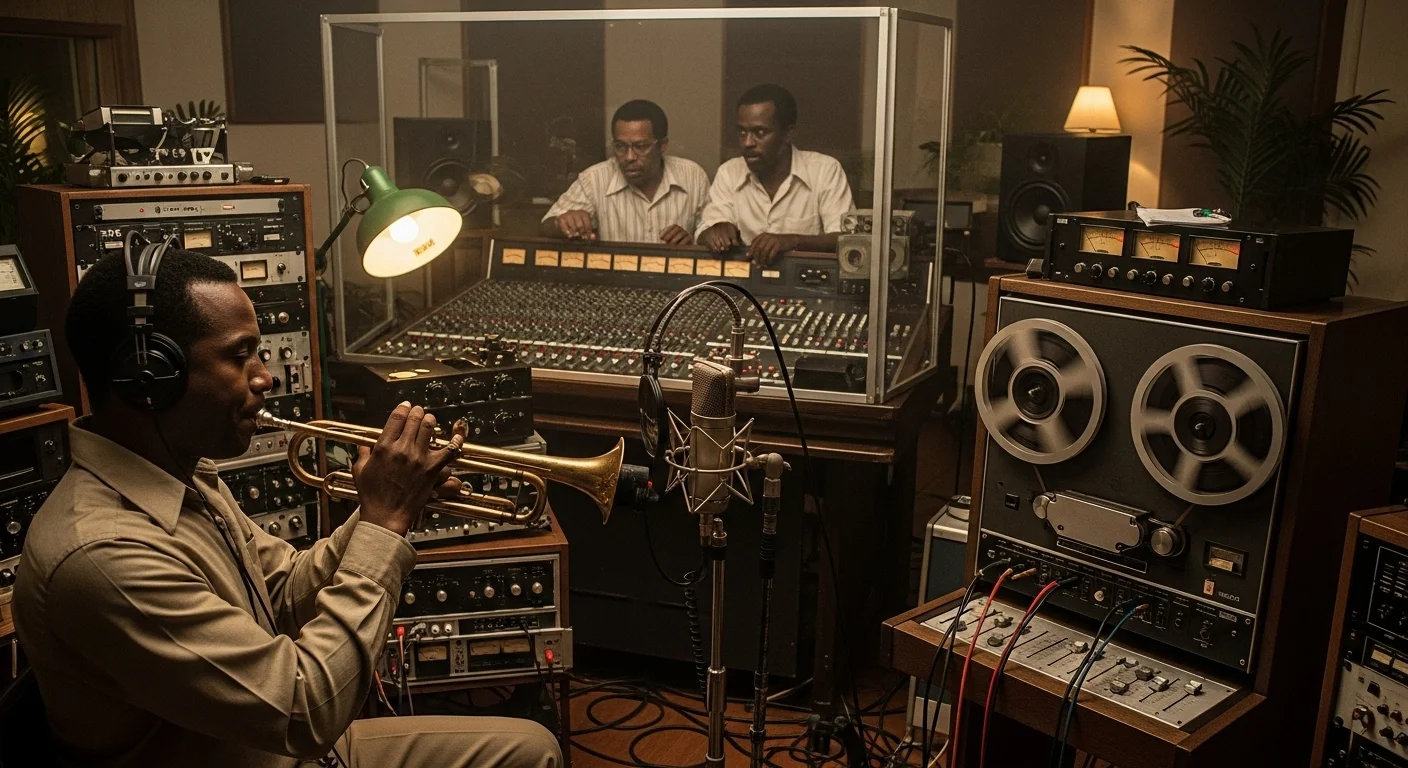
Haitian music grows from Vodou drum languages, rural twoubadou storytelling, and European dance steps like contredanse and quadrille, shaping foundational méringue.
Kompa, codified as konpa direk by Nemours Jean-Baptiste in 1955, rides a steady 2/4 or 4/4 pulse with syncopated bass and interlocking riffs from guitars, keys, and horns. Rara is seasonal street processional music tied to Vodou and kanaval, mixing call-and-response with political commentary. Keep going to hear what to listen for.
Key Takeaways
- Haitian music fuses African drum languages and call-and-response with French contredanse, quadrille, and habanera-derived cinquillo.
- Vodou ceremonies use tanbou, ogan, and ason; Rada, Petwo, and Nago rhythms shape Haiti’s sacred and secular musical DNA.
- Méringue anchors Haiti’s dance tradition, while rural twoubadou songcraft feeds urban styles and storytelling in Creole and French.
- Kompa (konpa direk) was codified by Nemours Jean-Baptiste in 1955, built on a steady groove, syncopated bass, and interlocking riffs.
- Rara is seasonal processional street music tied to Vodou and kanaval, serving as a community network and political voice despite past suppression.
Haitian Music 101: Genres, Language, Rhythms
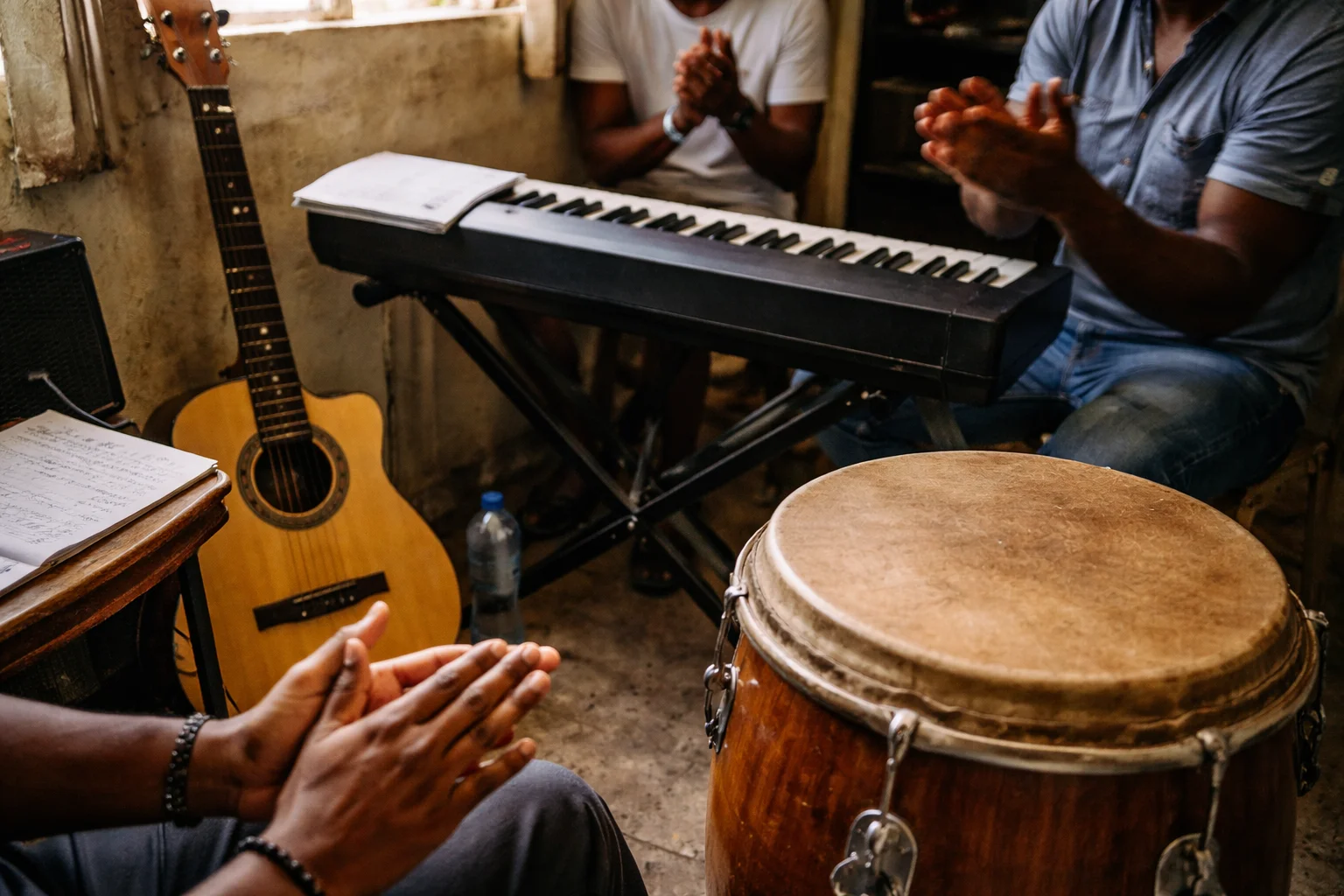
How does Haitian music hold so many worlds in one beat? It’s rooted in enslaved Africans’ drum languages, polyrhythms, and call-and-response, later brushing French contredanse and habanera-like cinquillo.
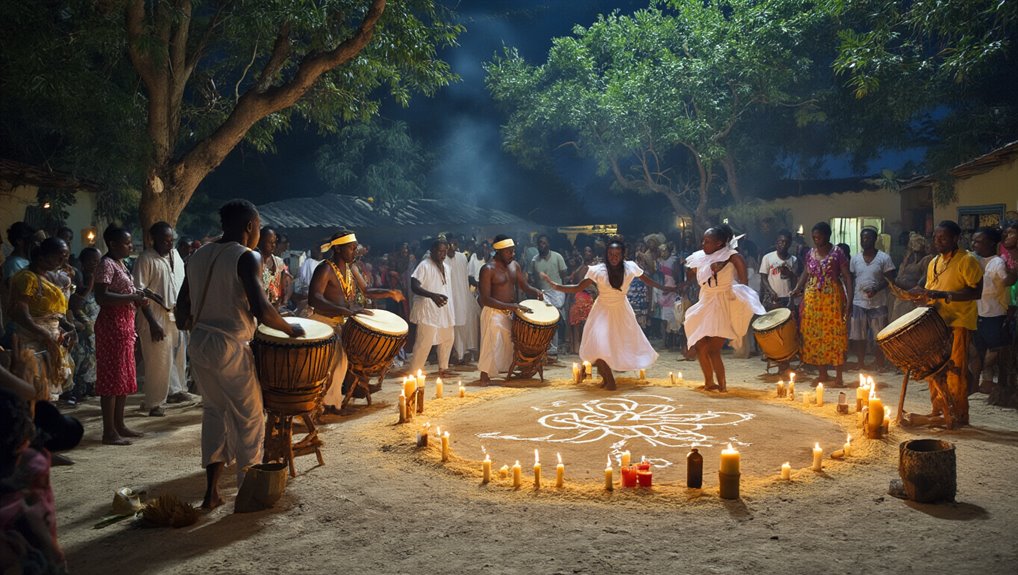
In Vodou ceremonies, tanbou, ogan, and ason drive Rada, Petwo, and Nago rhythms, linking sound to spirit and history. Beyond the temple, genres map daily life: méringue as foundational dance music, twoubadou as rural acoustic balladry, and rara as street processions powered by vaksin bamboo trumpets and heavy percussion.
Haitian Creole and French shape stories, satire, and community memory. Frederick Douglass Papers illuminate early transnational currents that shaped Haitian self-determination and cultural exchange, underscoring how music travels across borders and times.
Haitian Kompa Explained: Origins, Groove, Modern Sound
Where did kompa’s irresistibly steady sway come from? Haiti’s dance music grew from enslaved Africans’ drum languages, polyrhythms, and call-and-response, cross-pollinated with French contredanse, quadrille, and habanera-derived cinquillo.
After independence, sacred Vodou sound worlds and rural twoubadou songcraft fed urban méringue, setting the stage for a modern dance beat. In 1955, Nemours Jean-Baptiste codified konpa direk, locking a steady pulse to syncopated bass and interlocking riffs.
By the 1960s, mini-jazz groups electrified it, and kompa’s Creole/French storytelling carried love, daily life, and politics worldwide, a history entwined with Haiti’s decades-long path to independence and ongoing state-building. reparations debt
Kompa Groove: What to Listen For
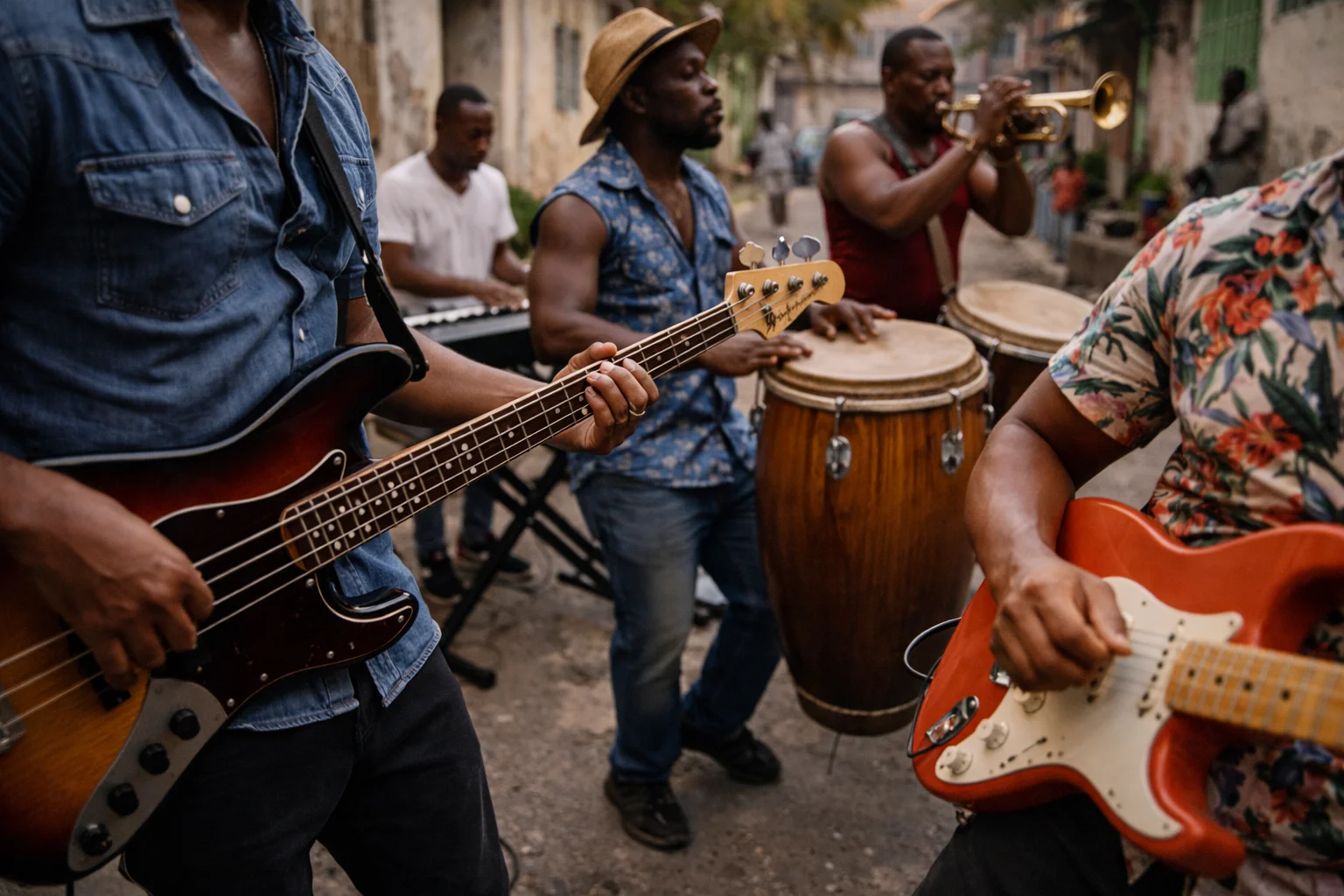
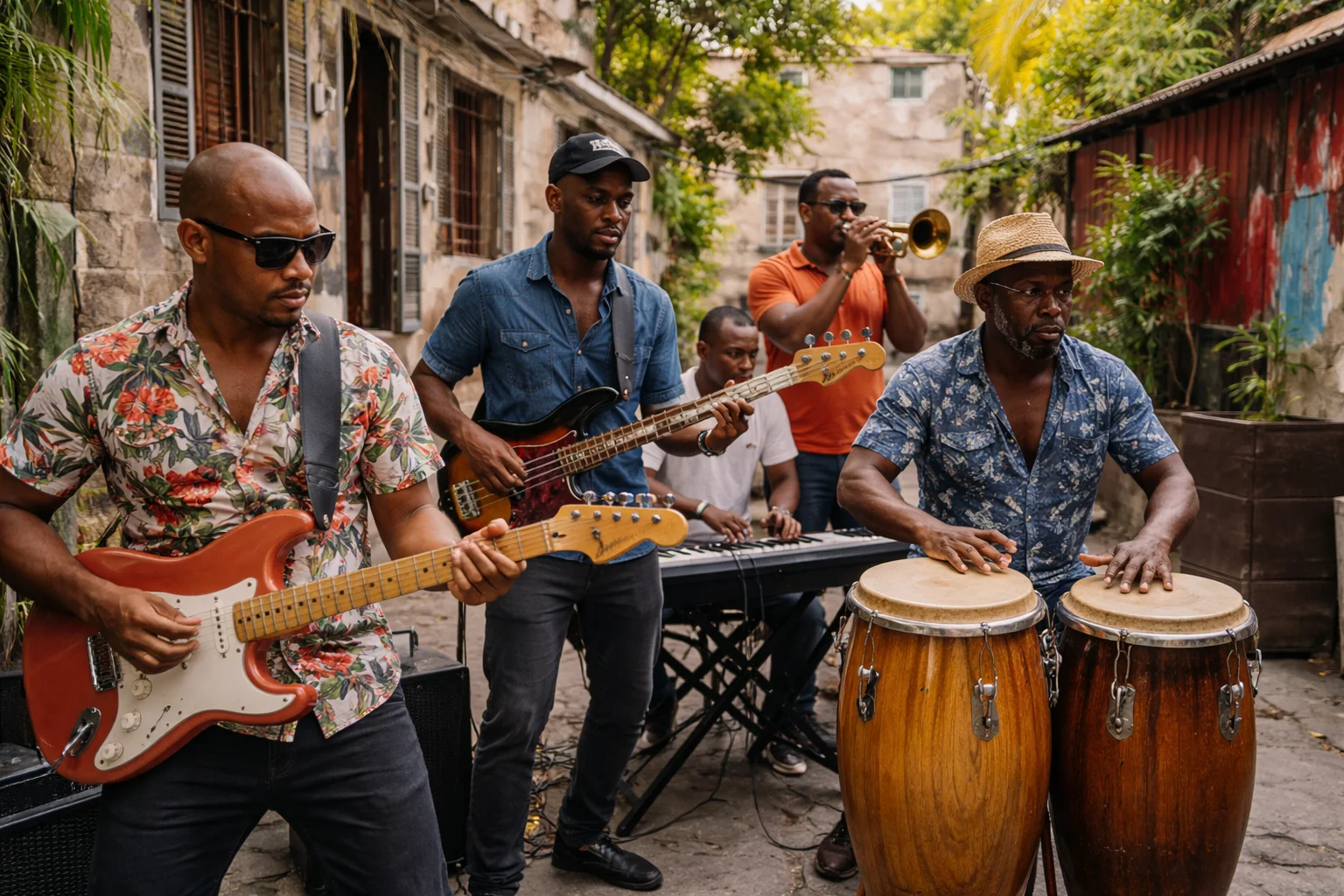
Kompa’s steady pulse becomes easiest to recognize when listeners focus on the band’s moving parts: a drum kit and hand percussion locking a straight 2/4 or 4/4 groove, a bass playing a syncopated ostinato that nudges the beat forward, and guitars, keyboards, and horns stitching short, interlocking riffs on top.
The snare and hi-hat keep time while congas, tanbou-style accents, or shakers add lift. Guitarists often “skank” muted upstrokes between beats, and keyboards double riff patterns for sheen. Horn stabs mark transitions, and vocals ride the groove without breaking its drive.
A key feature is the interplay with regional rhythmic textures documented in Atlantic World resources, where enslaved and diasporic musical practices helped shape Haitian popular genres Trans-Atlantic Slave Trade Database.
Haitian Rara Explained: Season, Street Bands, Political Voice
Each spring, Haiti’s streets can sound like they’ve turned into moving orchestras—this is rara, a season-bound, processional music rooted in rural spiritual practice and closely tied to Vodou and kanaval. Groups organize as street bands that march for hours, linking lakou communities to town crossroads through sound, dance, and ritual obligation.
Rara’s public route makes it social news: leaders praise patrons, settle rivalries, and comment on hardship with sharpened satire. That visibility has also made it risky; during the Duvalier era it was monitored and sometimes suppressed. Today, it remains a rolling political voice, reflecting long-standing histories of mobilization and resistance within Haitian society seasonal and community life.
Rara Groove: What to Listen For
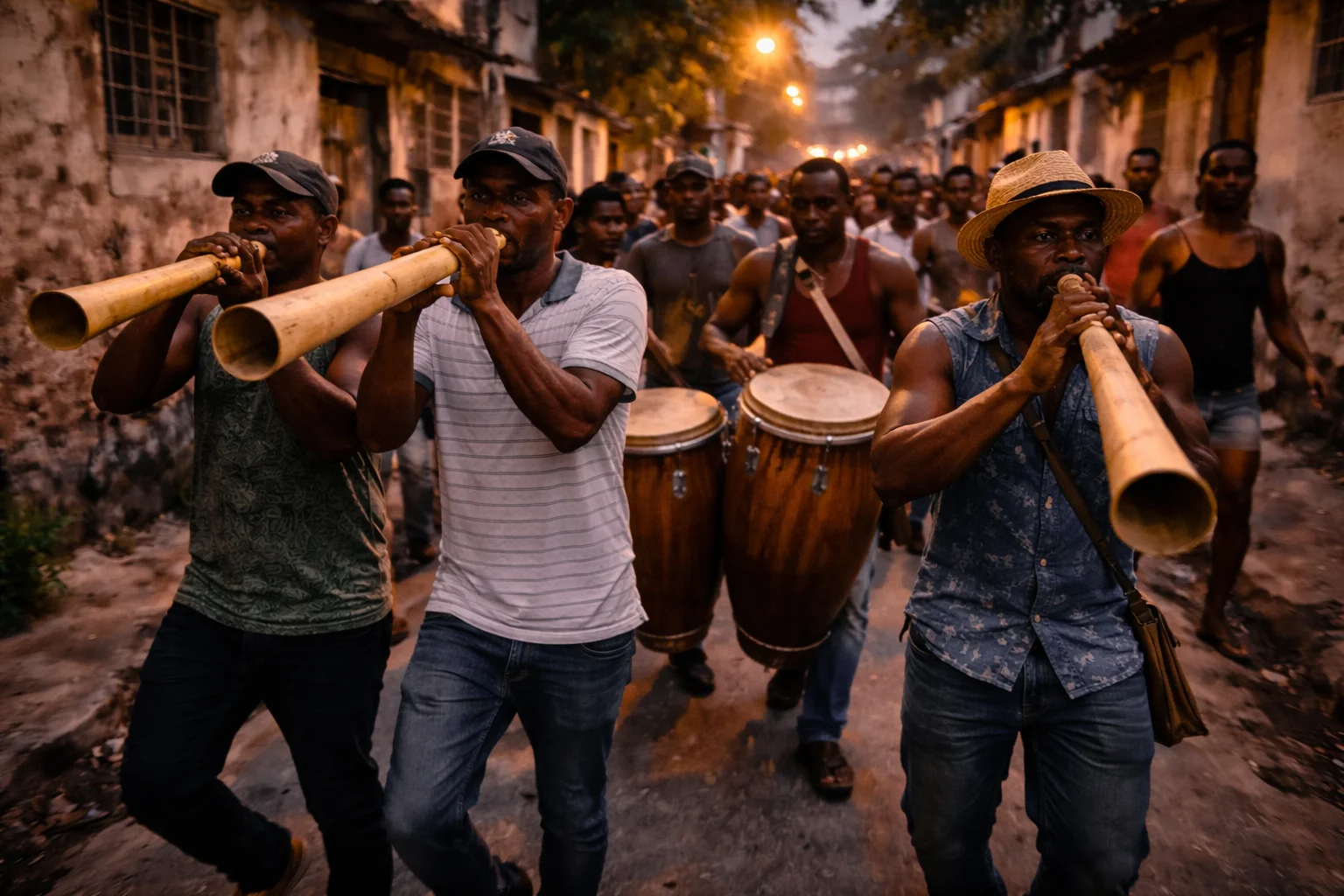
How does rara come into focus when it’s rushing past in the street? A listener tracks the vaksin first: bamboo trumpets locking into short, repeated phrases that weave like a moving siren. Beneath them, drums and metal percussion push a dense, marching swing, stressing offbeats and sudden breaks.
The groove’s power comes from layers—one part anchors, another answers, another agitates. Then the voices arrive: call-and-response lines that cue turns, taunt rivals, or rally the crowd.
To hear it clearly, they follow the band’s pulse, not the melody alone. Roundtable Discussion The Haitian Declaration of Independence and related historical contexts illuminate how musicians and communities used sound to negotiate identity and resistance in public spaces.
Vodou and Haitian Music: Rhythms, Lwa, Ceremonial Songs
A Vodou ceremony’s music isn’t background—it’s a working language that calls the lwa into the room through rhythm, song, and signal. Drummers shape time with tanbou patterns while the ogan’s bell locks the cycle, and the ason marks priestly authority.
Distinct nations—Rada, Petwo, and Nago—carry different tempos, accents, and spiritual temperature, guiding which spirits are addressed and how bodies move. Songs rely on call-and-response in Haitian Creole, naming lwa, praising ancestors, and cueing ritual actions.
These sacred polyrhythms seeded Haiti’s wider musical DNA, from rural lakou to urban stages 1801 constitution, reinforcing how governance and culture intertwine in the revolution’s memory.
Start Listening: Haitian Music Essentials by Mood
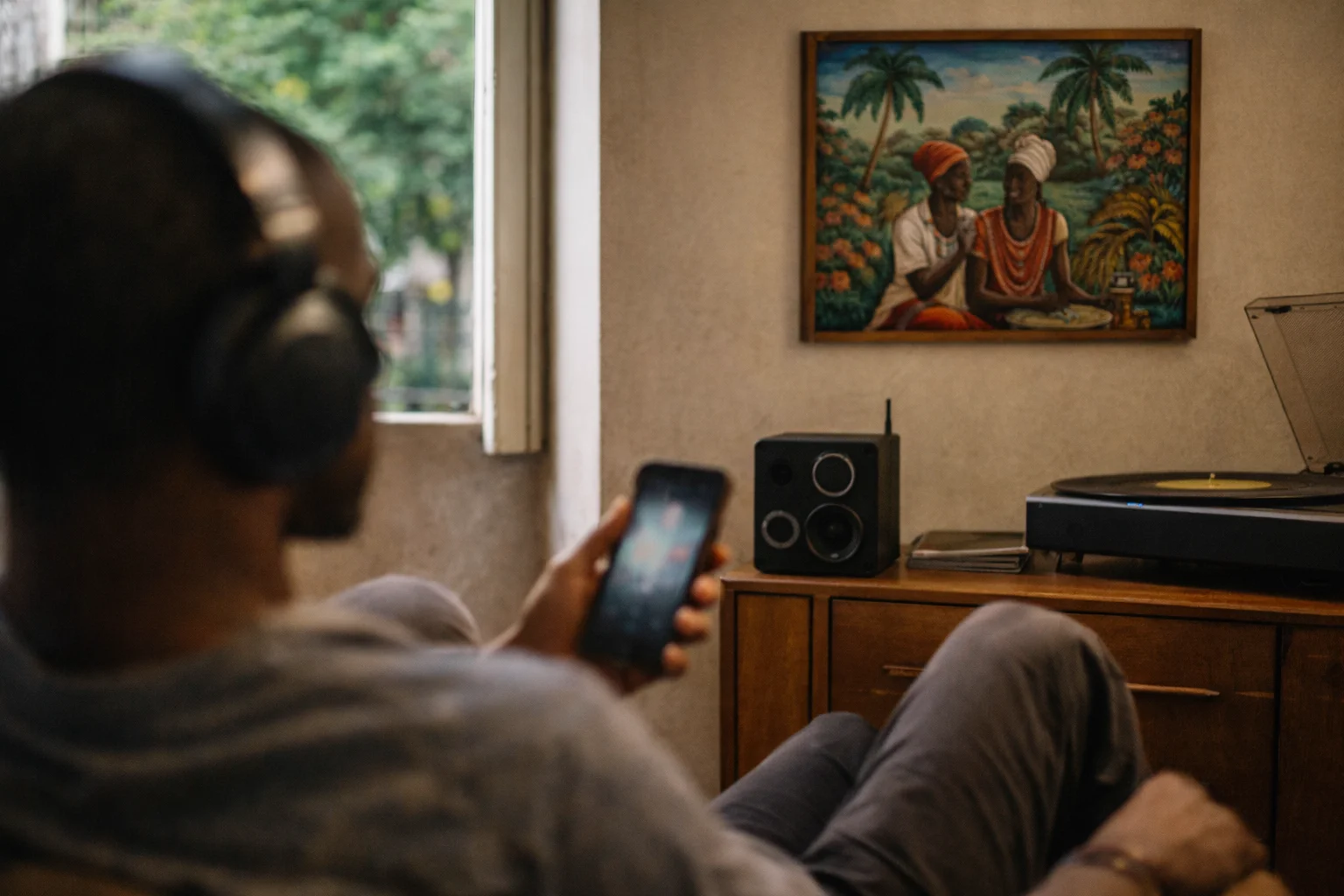
Where should someone start if Haitian music’s styles feel like a whole universe? They can choose a mood and let it guide the first playlist. For joy and dancing, kompa’s steady pulse and bright horns deliver instant lift, from Nemours Jean-Baptiste to mini-jazz bands.
In this landscape, the story of Haiti’s cultural resilience—from early Creole and French influences to modern roots—adds texture to each track and helps listeners hear the nation’s heartbeat Haitian history.
Frequently Asked Questions
How Do I Find Haitian Music Events and Festivals Near Me?
They’d search local event apps, Facebook groups, and Haitian community organizations for listings, then check venue calendars for kompa nights or rara parades. They can follow Haitian DJs and bands on Instagram—updates’ll reveal nearby festivals.
What Are Respectful Etiquette Rules for Filming Rara or Vodou Ceremonies?
They should always ask permission before filming, accept “no,” and follow organizers’ directions. They shouldn’t film sacred moments, faces, or altars without consent, avoid flash, stay unobtrusive, and offer copies or donations.
How Do Haitian Music Royalties and Streaming Payouts Work for Artists?
Haitian artists’ royalties usually come via distributors and collecting societies: streaming pays per‑play to rights holders, then splits among master owners, publishers, writers. Without proper registrations and contracts, payouts lag, and intermediaries often take cuts.
Which Haitian Record Labels and Producers Shaped Modern Kompa and Rasin?
Key shapers include Mini Records, Marc Records, and Tropic Records, plus producers like Fred Paul, Roger Eugene, and Richard “Richie” Piou. They’ve amplified konpa bands and rasin acts, shaping arrangements, distribution, and diaspora reach.
How Can Beginners Learn Tanbou or Vaksen Outside Haiti?
Beginners can learn tanbou or vaksen abroad by joining diaspora cultural groups, taking online lessons from Haitian masters, attending workshops at festivals, practicing with recordings, and building simple bamboo horns; they’ll progress through community jam sessions.
Conclusion
Haitian music comes alive through kompa’s steady, dance-ready pulse and rara’s raw, street-band energy. From polished club arrangements to bamboo vaksen and rolling drums, the country’s sound is built on rhythm, community, and history.
Vodou traditions keep sacred patterns moving through everyday life, linking songs to spirit and ceremony. If listeners follow the groove, they’ll hear more than genres—they’ll hear Haiti’s resilience, joy, and voice.
References
- https://www.melodigging.com/genre/haitian-music
- https://m.haitiopen.com/country/haitian-music
- https://crudem.org/music-in-haiti
- https://openlab.bmcc.cuny.edu/black-studies-across-the-americas/wp-content/uploads/sites/2143/2023/05/Haitian-Music-By-Leah-Lalljie.pdf
- https://en.wikipedia.org/wiki/Music_of_Haiti
- https://frenchatdaystar.wordpress.com/2017/05/18/haitian-music
- https://www.masterclass.com/articles/kompa-music-guide
- https://www.allaroundthisworld.com/learn/the-caribbean-2/haiti/haiti-music