Last verified: January 24, 2026.
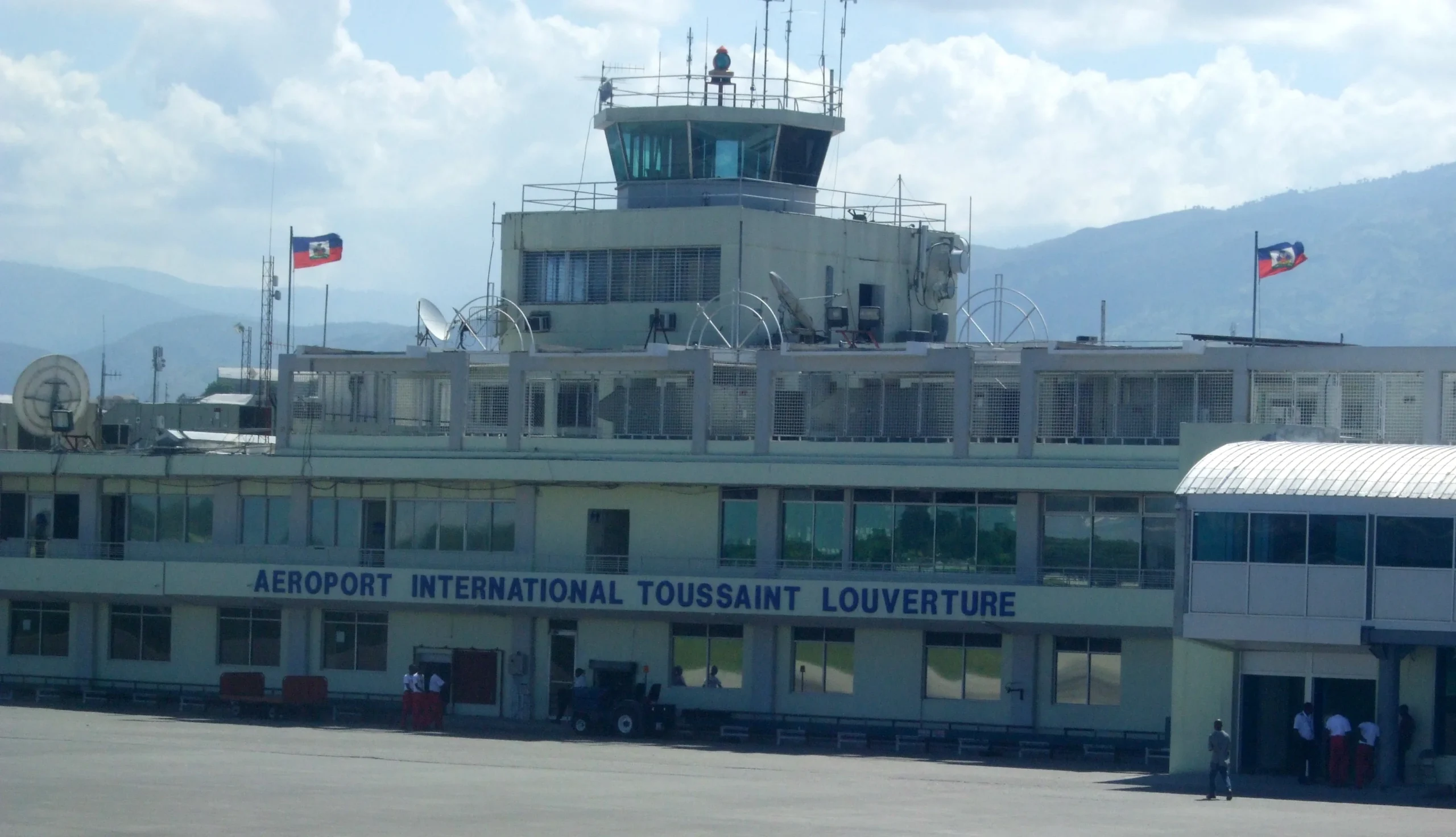
Haiti travel planning should start with security, since violent crime and disruptions can change quickly, especially around Port-au-Prince and airport routes. Several governments advise against all travel, citing kidnappings, armed robberies, and gang activity.
Conditions can shift rapidly due to roadblocks, protests, or flight disruptions, so travelers should confirm airport access and routing before booking.
After security, travelers should confirm entry requirements, then plan for health and medical risks, and finally prepare for logistics like transport, money, power outages, and connectivity.
Key Takeaways
- Many governments advise against all travel due to violent crime and kidnappings, especially in and around Port-au-Prince.
- Most travelers can enter for up to 90 days without a visa, but must carry a passport valid at least 6 months and pay a 10 USD tourist entry fee on arrival.
- Medical care is limited. Travel medical insurance with evacuation coverage is strongly recommended.
- Malaria risk exists year-round. Follow CDC guidance and use bite prevention.
- Use hotel-arranged drivers. Avoid tap-taps and minimize night travel.
- Carry cash in small bills, plan for power outages, and expect limited card acceptance.
Is Haiti Safe to Travel Right Now?
At present, Haiti cannot be considered a safe destination for most travelers. Violent crime, including kidnappings and armed assaults, remains widespread, and visitors are frequently targeted along airport routes and major roads. Public security resources are limited, and emergency response can be slow.
Public transportation is widely viewed as high risk. Medical facilities are limited, and serious illness or injury may require evacuation. Travelers who still choose to go should restrict movement, monitor official alerts, and arrange vetted private transportation.
What You Need to Enter Haiti (Passport, Visa)
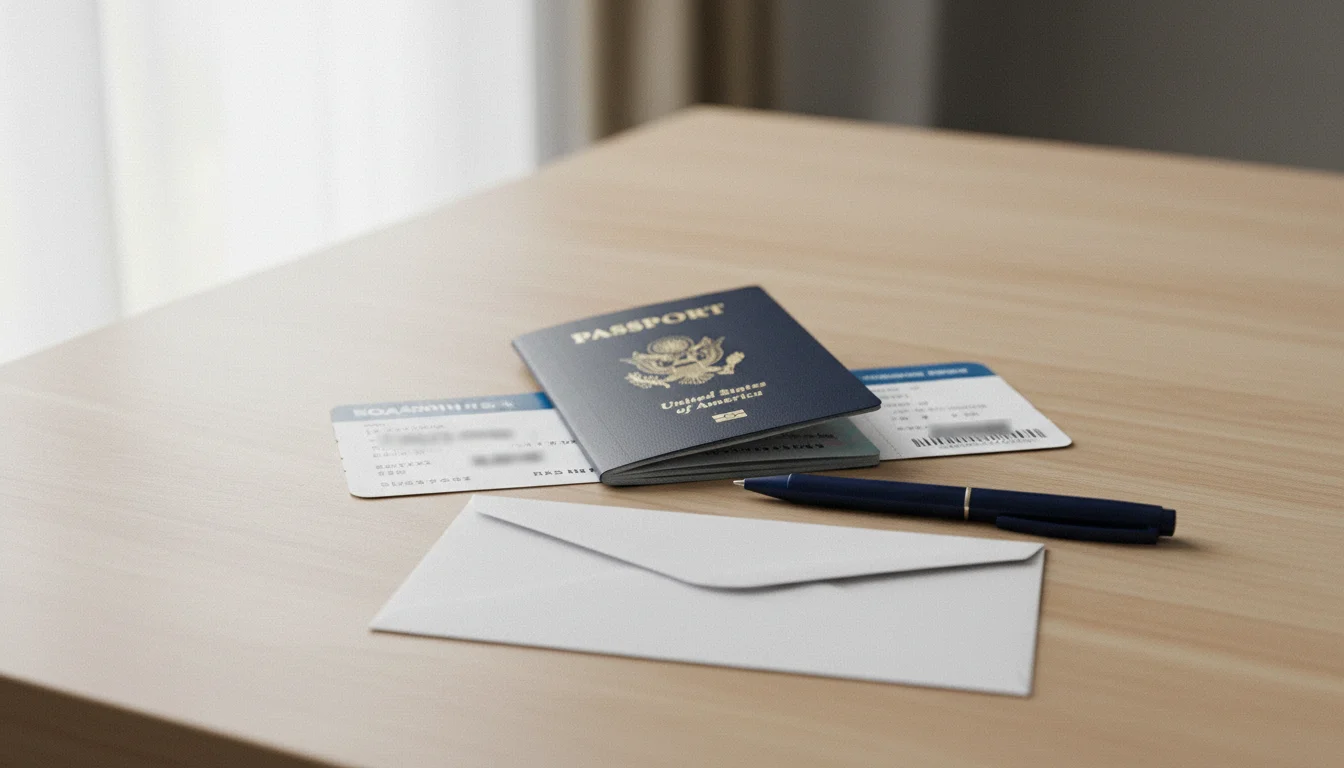
To enter Haiti, travelers must have a passport valid at least six months beyond the date of arrival. For many nationalities, including U.S. citizens, no advance visa is required for tourism or business stays of up to 90 days.
Most travelers receive a tourist entry card on arrival and should expect to pay an entry fee of 10 USD in cash. Some airlines include a departure tax in the ticket price, but travelers should confirm this before departure.
Nationals of certain countries are required to obtain a visa in advance. Published embassy guidance has included the Dominican Republic, Panama, Colombia, Cuba, Syria, Libya, Iran, Vietnam, and Yemen, but requirements can change. Travelers should confirm current rules with a Haitian embassy or through airline documentation systems before travel.
Stays longer than 90 days require compliance with Haiti’s longer-stay or residency procedures.
Health Essentials for Haiti (Vaccines, Water, Insurance)
Medical infrastructure in Haiti is limited, so travelers should plan carefully. Follow CDC Travelers’ Health guidance for Haiti, including routine vaccinations and destination-specific recommendations. Malaria risk exists year-round, and travelers should discuss prevention and medications with a clinician.
COVID-19 entry rules: Some official sources continue to reference COVID-19 vaccination or testing requirements, while others no longer list a COVID requirement. Because airlines enforce documentation rules at check-in, travelers should verify current entry requirements through their airline or an official government source shortly before departure.
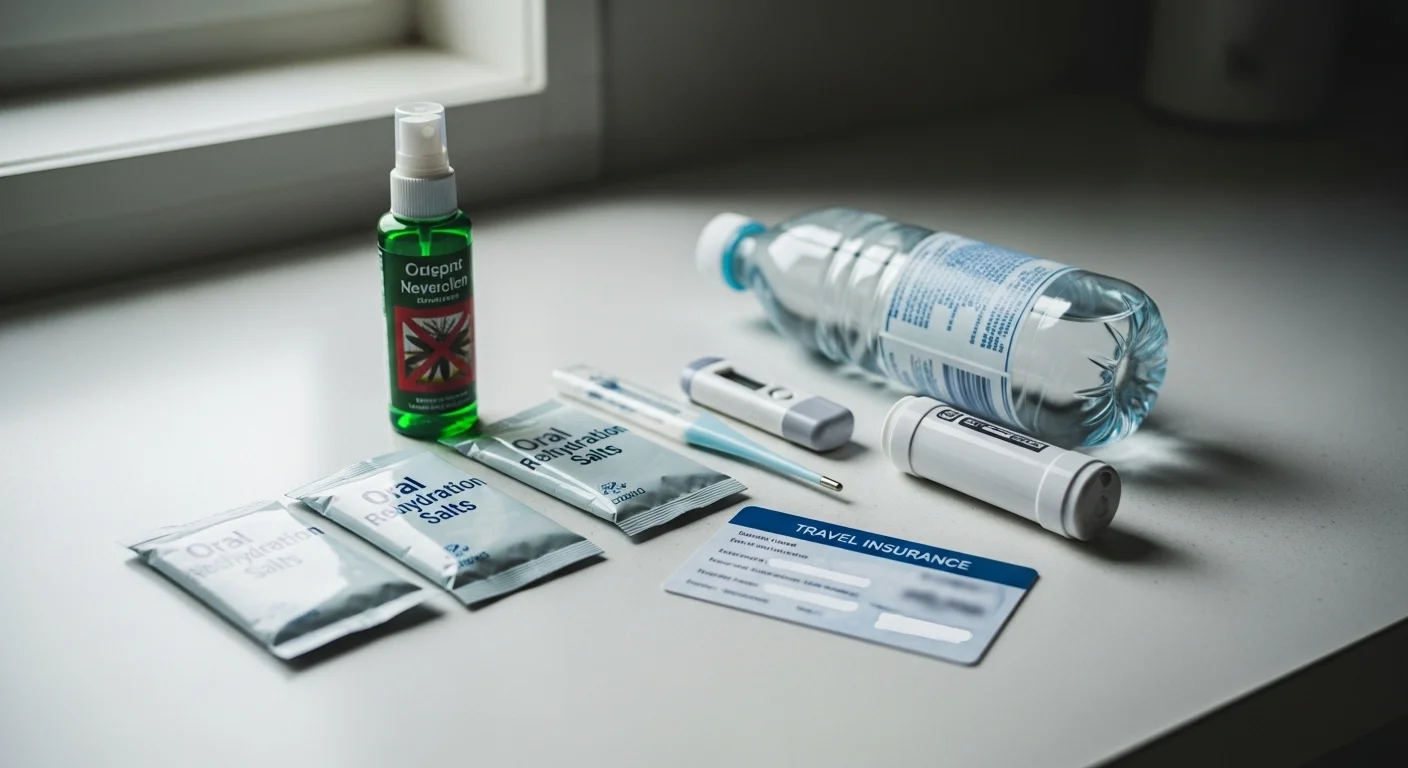
Drink only sealed or treated water, avoid ice unless confirmed safe, and carry oral rehydration salts. Travel medical insurance with evacuation coverage is strongly recommended.
What to Pack: Haiti Travel Essentials
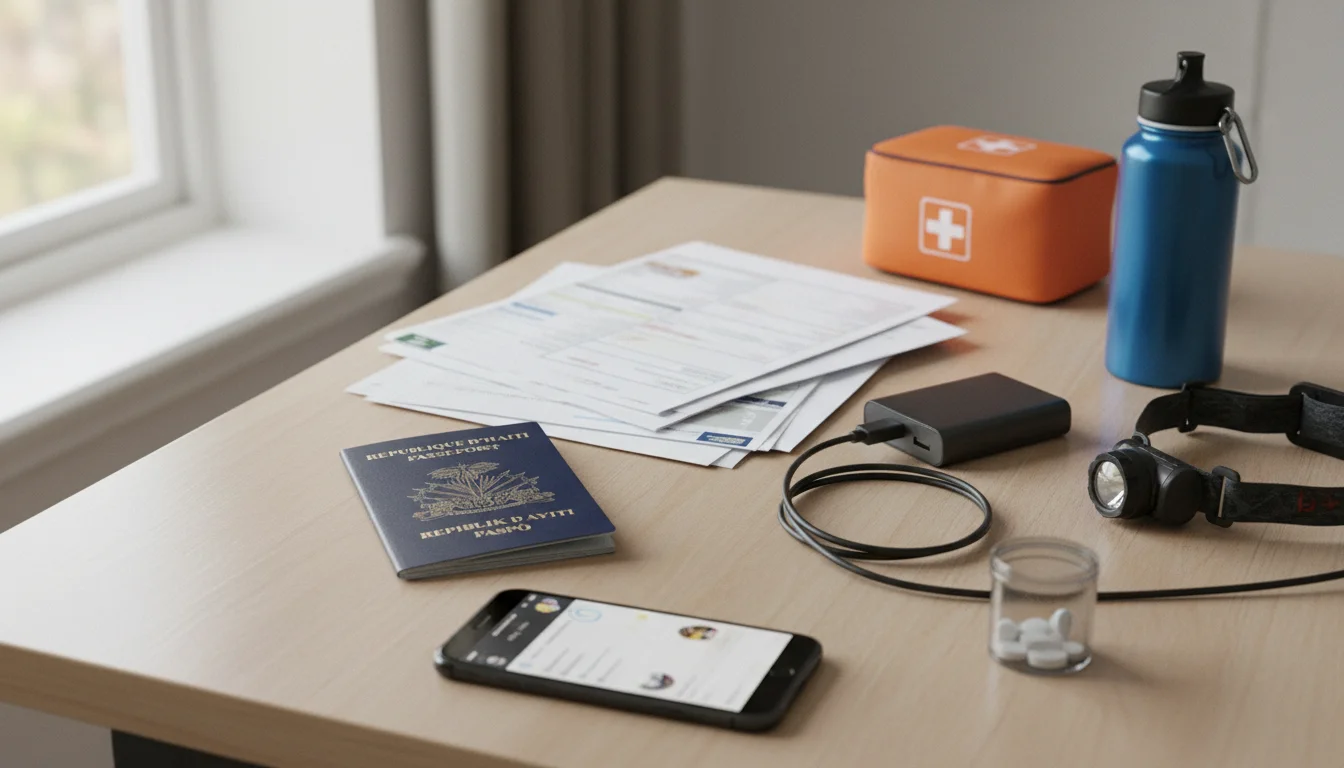
Travelers should pack with self-sufficiency in mind. Bring printed and digital copies of your passport, proof of onward travel, and entry documentation. Carry small bills for fees and daily expenses.
Pack a basic first-aid kit, prescription backups, insect repellent with high DEET or picaridin, sunscreen, and oral rehydration salts. A headlamp, power bank, and universal adapter are useful during frequent power outages. A reusable water bottle with purification tablets or a filter is recommended.
Wear understated clothing and closed-toe shoes. Avoid displaying valuables. Leave prohibited items, drugs, and explicit materials at home.
Best Time to Visit Haiti (Weather and Festivals)
The driest and most comfortable period is typically November through March, when humidity is lower. April through June can still be workable, but heat and rain increase.
Hurricane season runs from June through November, with the highest risk usually between August and October. Travel during this period requires flexible plans.
Cultural events such as Carnival often take place in February or March, but security conditions may affect scheduling. Travelers should monitor local advisories closely.
How to Get Around Haiti (Drivers, Taxis, Tap-Taps)
The safest option is arranging a trusted private driver through a reputable hotel, NGO, or local host, particularly in and around Port-au-Prince. Drivers are familiar with road conditions, checkpoints, and safer routes.
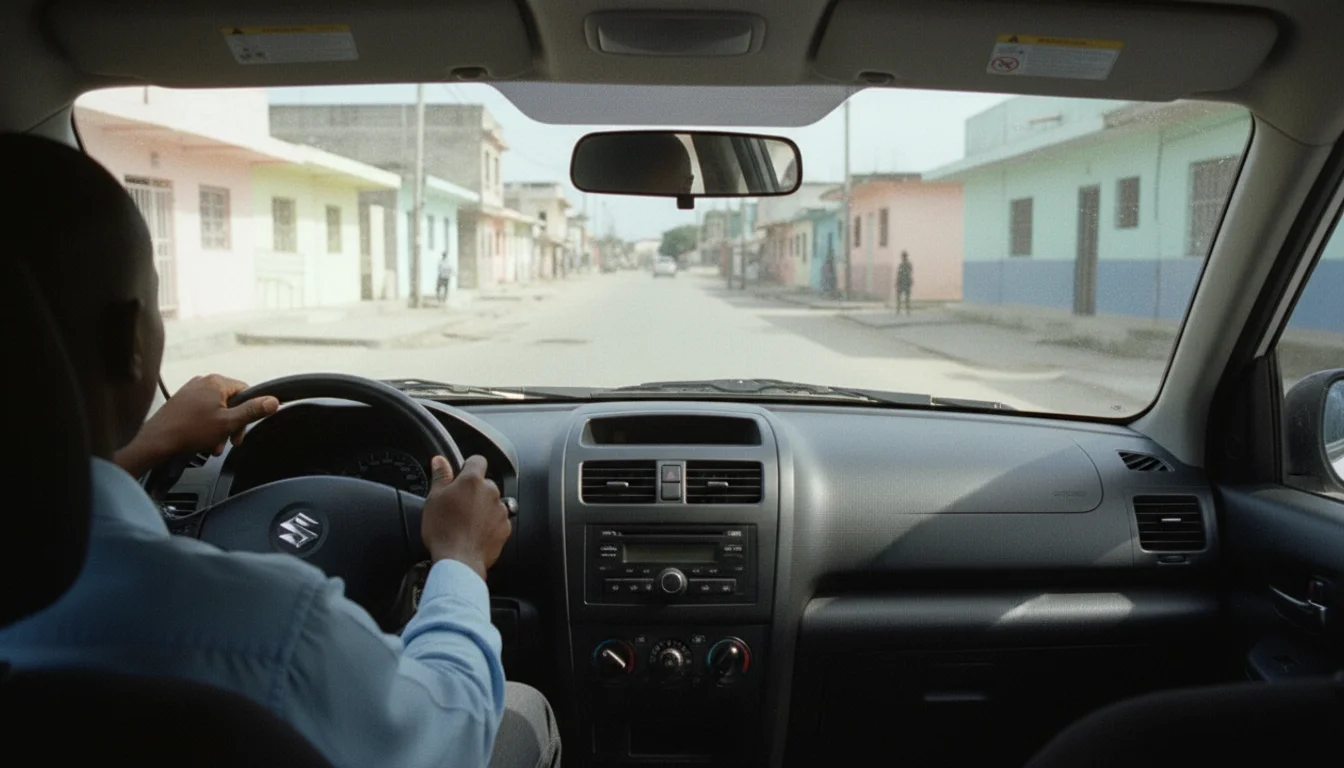
Taxis in Haiti are generally informal. If used, travelers should agree on the fare in advance, avoid night travel, and keep doors locked. Tap-taps are iconic but are not recommended due to crowding, lack of security, and unpredictable routes.
Money in Haiti (Gourdes, USD, Cards, Tipping)
Haiti uses the gourde (HTG), but USD is commonly accepted. Travelers should always confirm whether a price is quoted in gourdes or dollars before paying.
ATMs and card payments can be unreliable, so carrying cash in small denominations is important. For tipping, rounding up taxi fares and leaving about 10 percent in restaurants when service is not included is customary.
Staying Connected in Haiti (SIMs, Data, Wi-Fi)
A local SIM card is the most reliable option for data and calls. SIMs are sold at official carrier shops and require a passport for registration. Prepaid plans are generally more affordable than roaming.
Coverage is strongest in urban areas and weaker in rural regions. Hotel Wi-Fi can be inconsistent, especially during power outages, so a power bank is useful.
Frequently Asked Questions
What languages are spoken in Haiti?
Haitian Creole and French are the main languages. English is limited outside hotels, NGOs, and some tourist services.
Should accommodations be booked in advance?
Yes. Travelers should book accommodations in advance and verify security measures and transport arrangements.
Are power outages common?
Yes. Power outages are frequent, and travelers should plan for limited electricity.
Conclusion
Traveling to Haiti in 2026 requires careful planning and risk awareness. Travelers should review current safety advisories, confirm entry requirements, prioritize health precautions, and prepare for limited infrastructure. With realistic expectations and strong precautions, visitors can reduce risk and avoid common pitfalls.
Author note: This guide was prepared by a travel researcher who has monitored Haiti travel advisories, entry requirements, and regional security updates, drawing on government sources, airline documentation systems, and public health guidance.