
The War of Knives in Haiti: Toussaint Louverture, André Rigaud and Civil Conflict
Torn between Toussaint Louverture and André Rigaud, Haiti’s War of Knives reveals a brutal struggle for power that reshaped revolution—what came next changed everything.
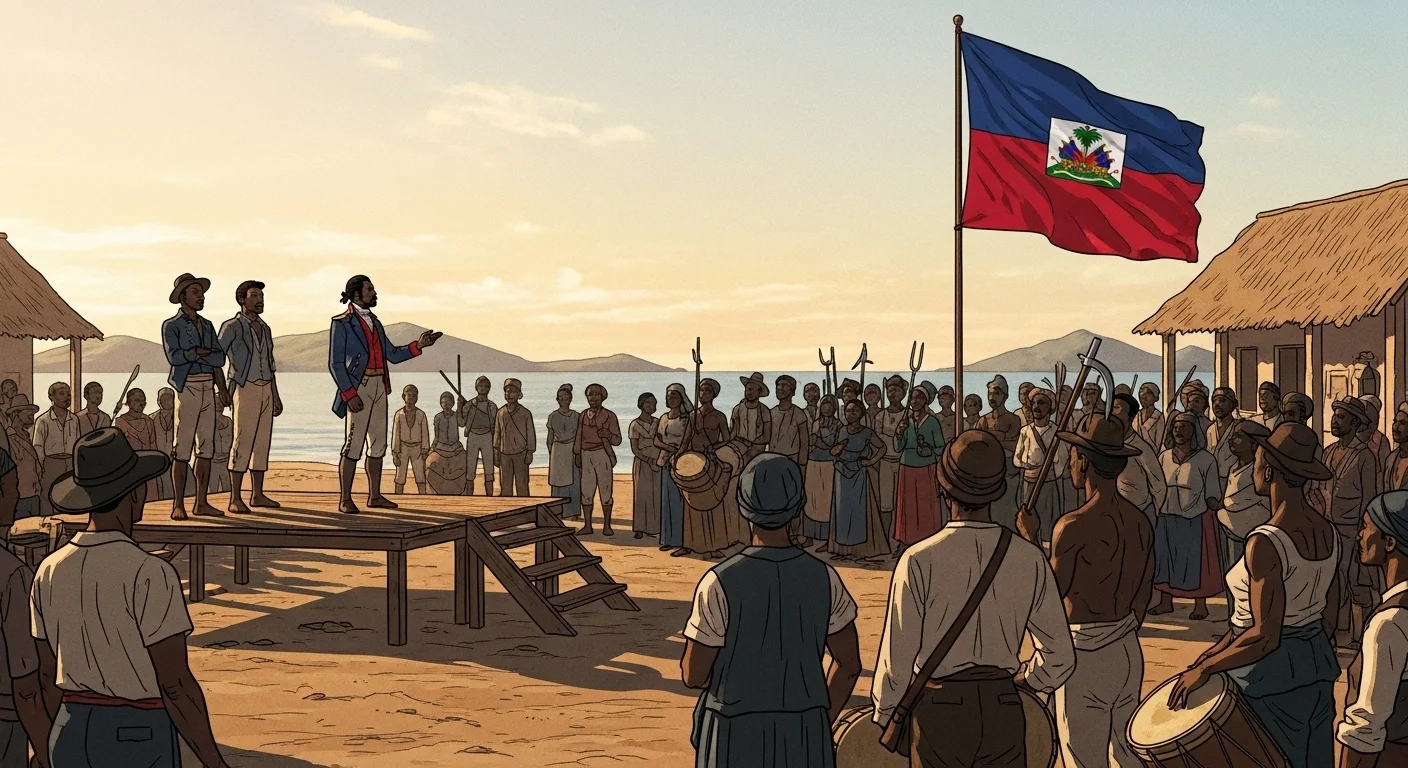
Haiti as the First Black Republic: Why Its Independence Still Matters
Daringly born in 1804 as the first Black republic, Haiti’s independence unsettled empires and still shapes freedom debates—what legacy did the world try to silence?

Causes of the Haitian Revolution: Social, Economic and Political Roots
Just beneath Saint-Domingue’s sugar riches, mercantilist control, racial exclusion, and brutal slavery ignited forces that would soon overturn an empire—discover what happened next.
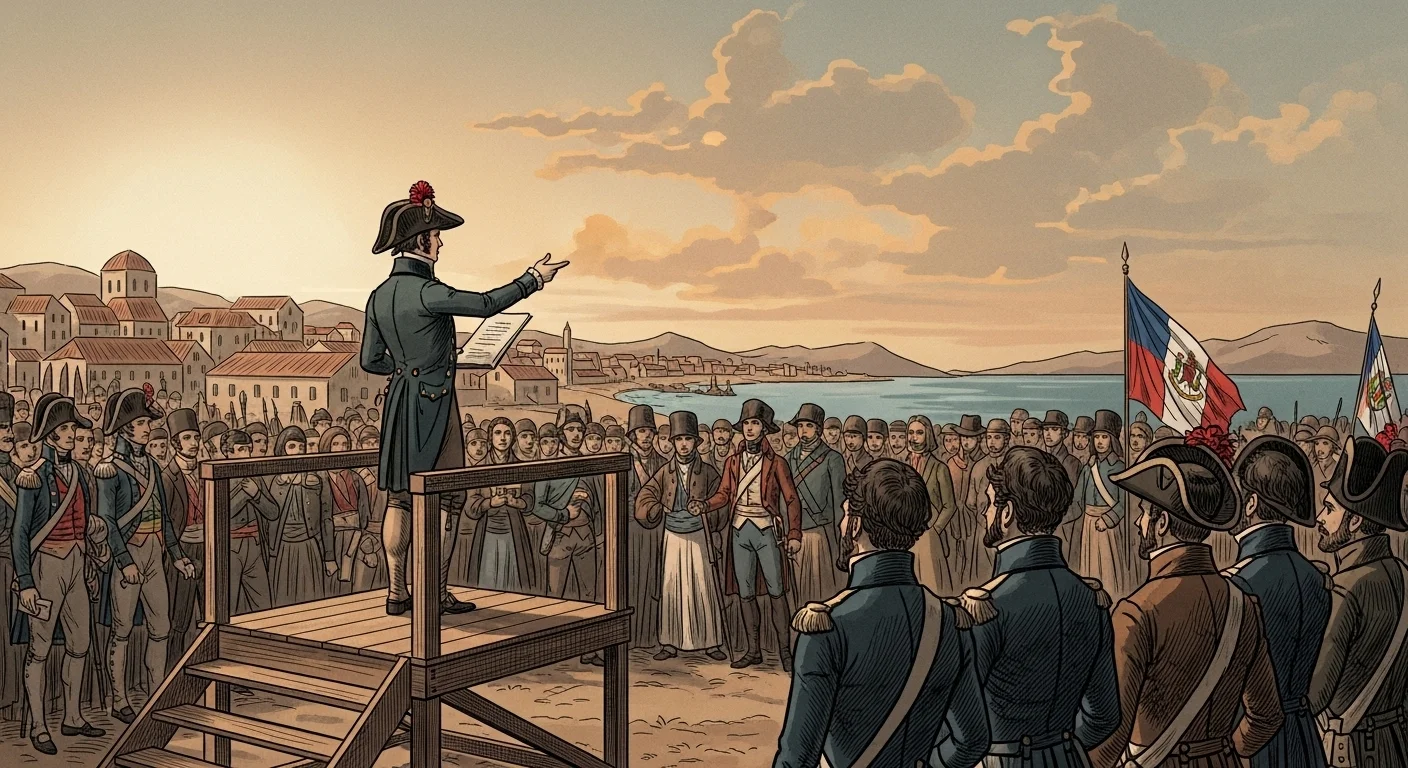
Haitian History and Independence: From 1791 Revolt to 1804
Witness Haiti’s hard-won independence from Saint-Domingue’s brutal slave empire, and discover the startling aftermath that reshaped global freedom struggles.
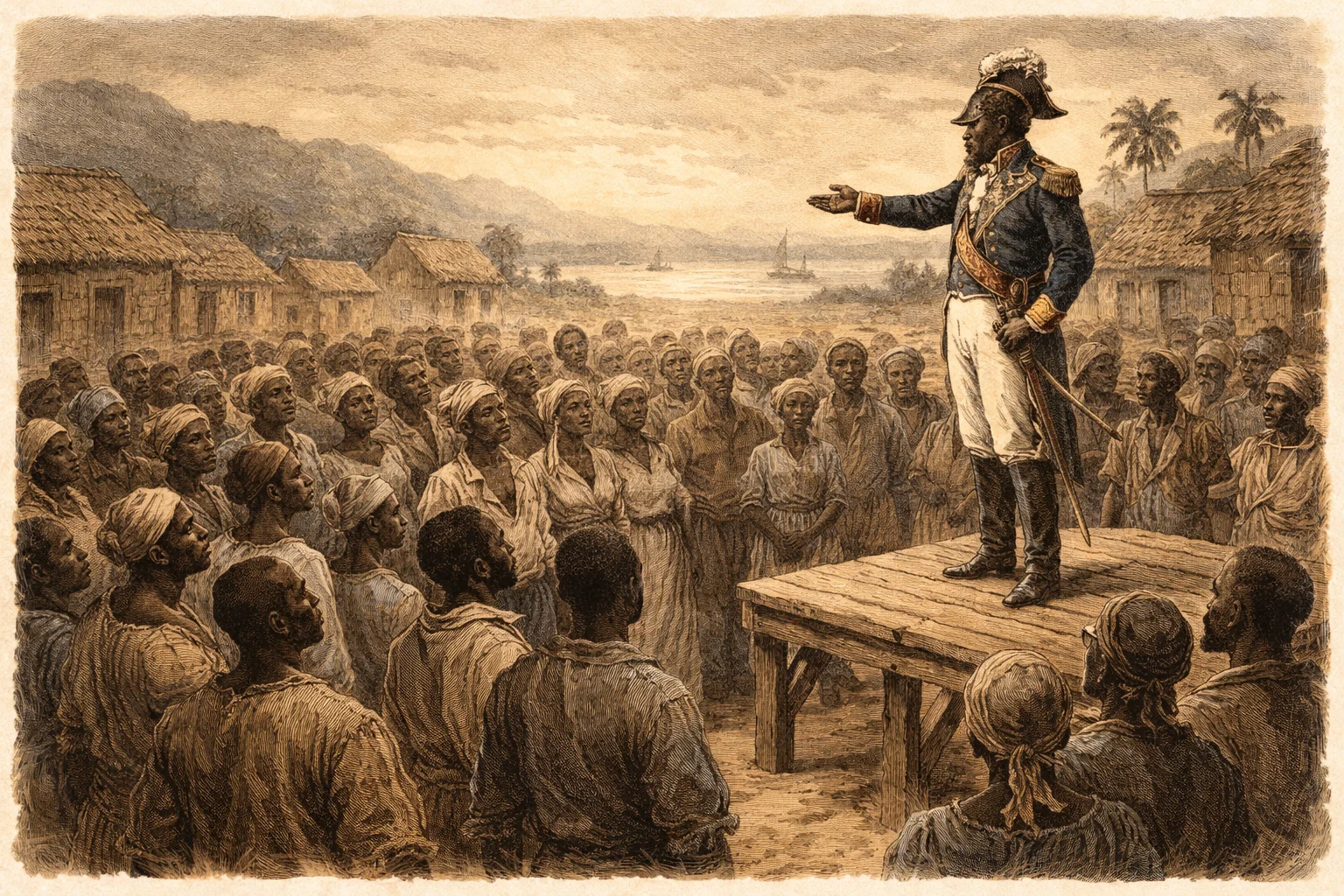
Jean-Jacques Dessalines and Haiti’s Declaration of Independence in 1804
On January 1, 1804, in Gonaïves, Jean-Jacques Dessalines publicly proclaimed Haiti's independence from France. The declaration was drafted by his secretary, Louis Boisrond-Tonnerre, and it framed independence as a permanent break backed by a collective vow to resist any return of French rule. (Encyclopedia Virginia, primary document) This page explains what the proclamation said, why…
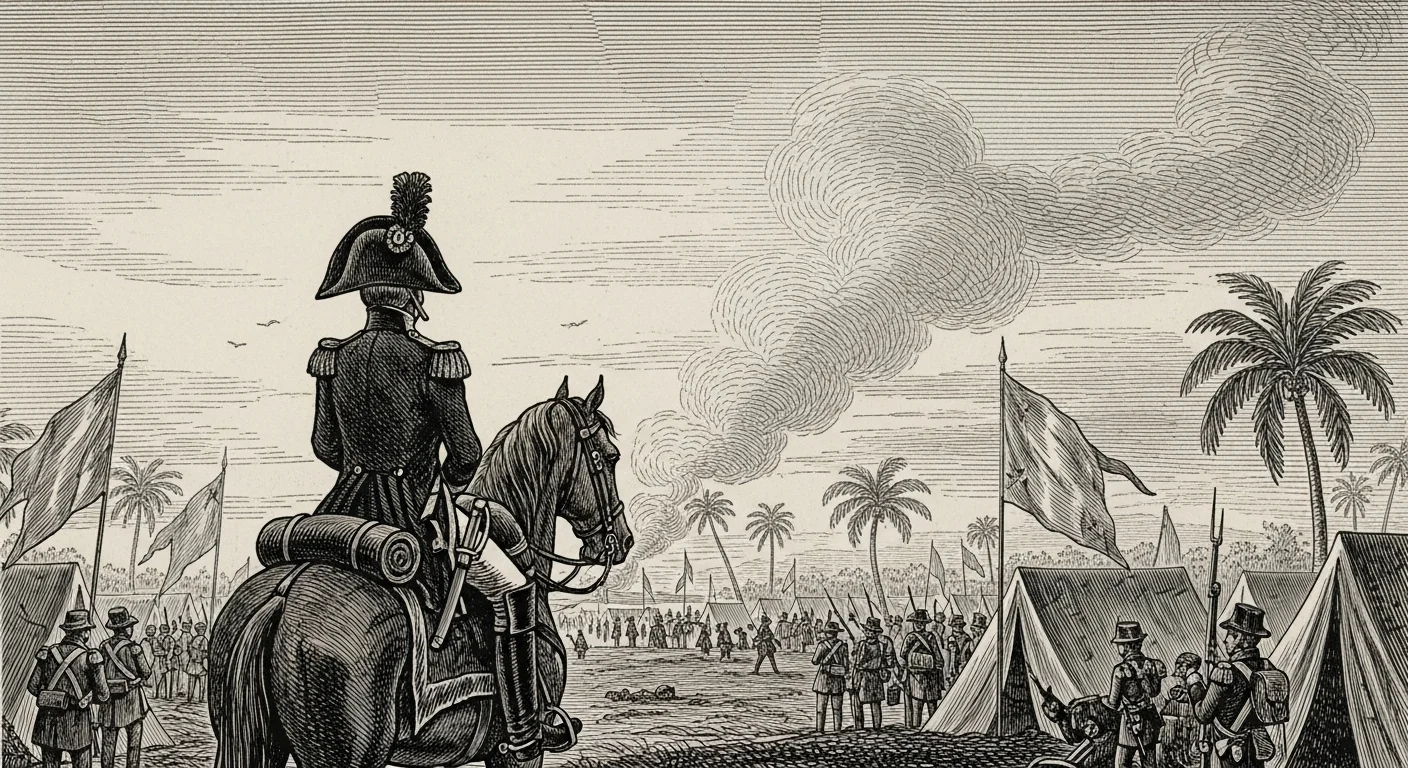
Toussaint Louverture Biography: The Life of a Haitian Revolution Leader
Toussaint Louverture (circa 1743 to 1803) rose from enslavement in Saint-Domingue to become the revolution’s most powerful commander and, by 1801, the colony’s governor-general under a new constitution that banned slavery while keeping the plantation economy running. His greatest achievement was building enough military and political leverage to make emancipation irreversible in practice, even as…