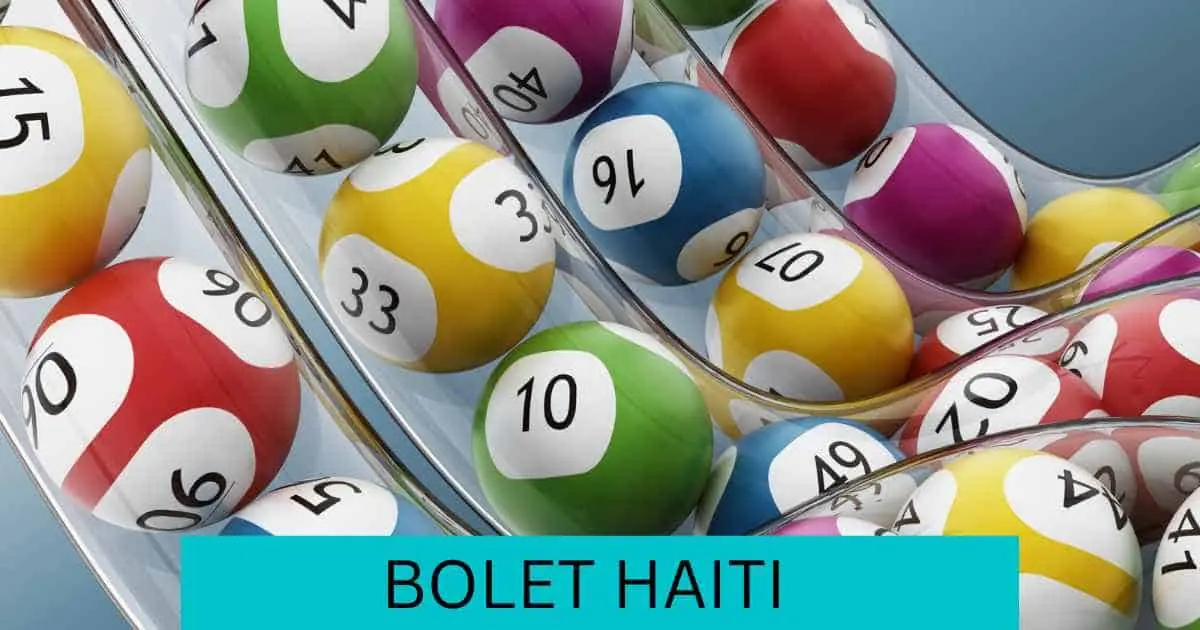
The Haitian lottery, locally known as Borlette (or Bòlèt), is far more than a simple game of chance; it is a profound cultural institution that permeates daily life across Haiti. Walk down any street in Port-au-Prince, Cap-Haïtien, or even rural provinces, and you will inevitably encounter the brightly painted kiosks that serve as the nerve centers of this informal economy.
For the local population and the widespread Haitian diaspora, these games represent a shared language of numbers, dreams, and community interaction.
Unlike state-run lotteries found in many other nations, the Borlette is a decentralized network of private enterprises. It operates on a unique system that intertwines financial transactions with deep-seated cultural beliefs, specifically the interpretation of dreams known as Tchala. This system transforms the act of wagering into a complex social ritual where daily events, subconscious visions, and international connections merge.
Understanding the Borlette requires looking beyond the ticket itself. It involves exploring the mechanics of the private “banks,” the reliance on international drawing results, and the symbolic code that players use to select their numbers. This exploration reveals how a gaming system has sustained itself for decades, evolving from a pastime into a cornerstone of Haitian social identity.
The Structure and Origins of the Borlette System
The Borlette system is distinct because it is privately owned and operated. While the Haitian government has regulatory bodies like the Loterie de l’État Haïtien (LEH), the actual sale of tickets and payment of winnings are handled by thousands of independent entrepreneurs known as “bankers” (bankye).
These bankers set up small offices or kiosks, often referred to as “banks,” which are easily recognizable by their vibrant colors and creative names.
This privatization creates a highly competitive market. A single city block might host multiple competing banks, each vying for customer loyalty through reputation and reliability. The stability of a bank is crucial; players must trust that the banker has the capital to pay out winnings immediately after a draw. This relationship between the player and the bank is built on a fragile but essential foundation of trust, where the reputation of a specific borlette stall can determine its success or failure.
Historically, this system emerged as an informal economic sector. Over the decades, it has proven resilient against political instability and natural disasters. The decentralized nature of the business means that even when large infrastructure fails, the local lottery kiosks often remain operational, serving as a constant in a fluctuating environment. For many, the bank is not just a place to gamble but a fixture of the neighborhood economy, employing ticket sellers and runners.
Mechanics of Play: How the Numbers Are Drawn
One of the most fascinating aspects of the Haitian lottery is its reliance on external results. The Borlette does not typically conduct its own random drawings. Instead, the winning numbers are derived from the official results of foreign lotteries, primarily the New York Lottery and the Florida Lottery. This creates a unique synchronization between Haiti and the United States, where players in Haiti tune in eagerly to hear numbers drawn thousands of miles away.
The game is played twice daily, corresponding with the midday and evening draws of the foreign lotteries. The winning numbers are categorized into three prizes, known as lo:
- Premye Lo (First Prize): Based on the last two digits of the first winning number drawn abroad. This offers the highest payout ratio.
- Dezyèm Lo (Second Prize): Based on the second winning number sequence.
- Twazyèm Lo (Third Prize): Based on the third winning number sequence.
Tchala: The Spiritual Language of Dreams
The selection of numbers in the Haitian lottery is rarely random. It is deeply rooted in Tchala, a cultural practice of dream interpretation that assigns numerical values to objects, events, and people appearing in dreams. This system acts as a bridge between the subconscious mind and the physical act of playing the lottery, turning nightly visions into potential economic opportunities.
The Tchala is often consulted immediately upon waking. If a person dreams of a specific element, they consult the code to find the corresponding number. For example:
- Children: Often associated with low numbers or specific pairings depending on the context of the dream.
- Water or Rain: Frequently linked to specific digits that players believe signal a coming change or flow of luck.
- Deceased Relatives: Dreaming of the dead is considered highly significant, often pointing toward specific numbers related to the person’s age or death date.
This practice is not merely superstition; it is a shared cultural lexicon. Neighbors often discuss their dreams to determine which numbers are “hot” or spiritually charged for the day. The Tchala books are widely available and serve as essential reference tools, standardizing the symbolism across the country. This transforms the lottery from a solitary game of chance into a communal activity of decoding messages from the spiritual realm.
The Economic Ecosystem of the Lottery Bank
The economic impact of the Borlette extends well beyond the players. The “banks” themselves are significant employers in an economy with high informal labor rates. A typical operation involves the owner (banker), the ticket sellers who sit in the booths, and runners who may collect bets from specific neighborhoods. These jobs provide a steady, albeit modest, income stream for thousands of families.
For the bankers, the business carries substantial risk. Because the lottery is fixed-odds betting rather than a pari-mutuel pool (where winners split a pot), a popular number winning can be financially devastating for a small bank. If many people bet on a number derived from a widely discussed dream or a significant national event, and that number wins, the banker must pay out all winners from their own capital. This leads to a practice known as “defloque,” where smaller banks might limit the amount they accept on heavily played numbers to protect their solvency.
The physical ticket, or “fiche,” is the contract in this ecosystem. It contains the chosen numbers, the amount wagered, the date, and the name of the bank.
The validity of this slip of paper is paramount, and the manual processing of these tickets remains a staple of the industry, although digital printing and online tracking are slowly becoming more common in urban centers.
The Diaspora Connection and Digital Evolution
The Haitian diaspora plays a critical role in the modern ecosystem of the Borlette. Haitians living in the United States, Canada, and France maintain a strong connection to the tradition, often playing through proxies or using emerging online platforms that cater to the community. This transnational participation reinforces the cultural bridge between those at home and those abroad.
Since the results are based on New York and Florida draws, the diaspora is often physically closer to the source of the winning numbers than the players in Haiti. This geographic nuance adds a layer of connectivity; a Haitian in Miami might watch the Florida lottery draw live on television, knowing that their family in Port-au-Prince is listening for the same results on the radio.
It creates a synchronized moment of anticipation across borders.
Social Psychology and Community Resilience
Sociologists and cultural observers often note that the Borlette serves a psychological function distinct from simple gambling. In an environment often characterized by unpredictability, the lottery offers a structured, accessible form of hope.
The ability to translate a dream into a wager gives individuals a sense of agency, a feeling that they can decode the chaos of life to find a fortunate path.
The communal aspect of the game fosters social cohesion. The morning ritual of discussing “what played” (kisa k tonbe) is a universal icebreaker. It allows people to share stories, interpret symbols, and commiserate over near-misses. This shared narrative helps bind the community together, creating a daily rhythm that persists regardless of the broader political or economic climate.
Furthermore, the transparency of using foreign lottery numbers adds a layer of legitimacy in the eyes of the players. Because the numbers are drawn in the United States, players believe the results are tamper-proof and fair, immune to local corruption. This trust in the mechanism of the draw is essential for the game’s enduring popularity.
FAQ
What exactly is a Borlette?
A Borlette is a private lottery kiosk in Haiti. Unlike government-run lotteries in many countries, Borlettes are owned by independent business people known as bankers. They are ubiquitous in Haitian cities and towns, serving as the primary locations where locals place wagers on daily numbers.
How does the Tchala work for picking numbers?
Tchala is a traditional system of dream interpretation. It consists of a codified list where specific objects, events, or people seen in dreams correspond to specific numbers. For example, dreaming of a wedding might correspond to one number, while dreaming of a car corresponds to another. Players use these interpretations to guide their betting choices, believing their dreams hold clues to the winning numbers.
Are the winning numbers drawn in Haiti?
No, the Haitian Borlette typically does not conduct its own drawings. Instead, the winning numbers are usually based on the official results of the New York and Florida state lotteries in the United States. This ensures that the players feel the results are fair and random, as they are determined by an external, trusted source.
What is a ‘Maryaj’ in the context of the lottery?
In the Haitian lottery, a ‘Maryaj’ (Marriage) is a specific type of bet where the player selects two different numbers. For the player to win, both of the chosen numbers must appear in the draw results. This type of bet generally offers higher odds and larger payouts compared to betting on a single number.
Can people outside of Haiti play the Borlette?
Yes, the Haitian diaspora frequently participates in the Borlette. While they may not physically visit a kiosk, many play through friends and family back home or utilize online platforms and services that have emerged to serve the international Haitian community. This allows them to stay connected to the tradition regardless of their location.
Is the Borlette legal and regulated?
The Borlette sector is recognized by the Haitian state and is subject to regulation, primarily through the Loterie de l’État Haïtien (LEH). Bankers are required to obtain licenses and pay taxes on their operations.
However, due to the vast number of small, independent operators, the market retains a highly informal character, with varying degrees of strict regulatory compliance across different regions.